
Colleen Melody Supreme Court
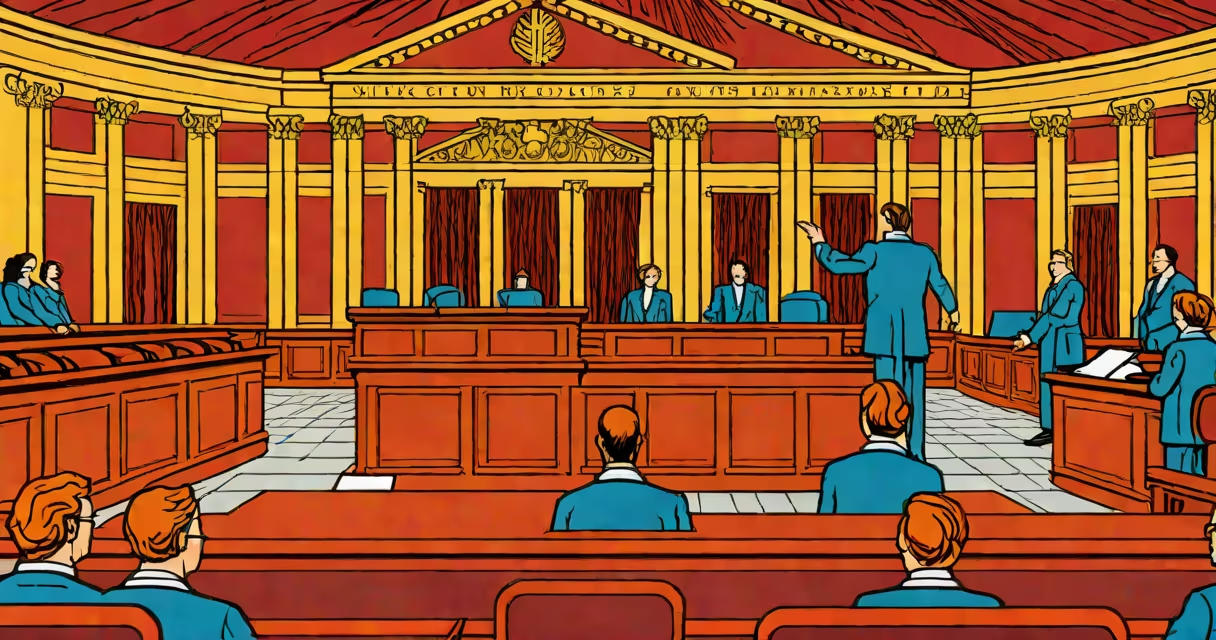
Colleen Melody Supreme Court is not a real legal proceeding or judicial event. It refers to a fictional narrative or internet meme involving a character named Colleen Melody appearing in a dramatized version of a Supreme Court case. The term combines a pop culture name with a high-stakes legal institution, creating a satirical or speculative scenario rather than a documented legal occurrence.
The U.S. Supreme Court handles constitutional law, federal statutes, and disputes between states or federal agencies. It does not entertain performances, celebrity appearances, or fictional characters. Any claim that Colleen Melody argued before the Supreme Court is false and originates from parody, fan fiction, or misinformation circulating online.
Real Supreme Court cases require formal petitions, jurisdictional review, and oral arguments by licensed attorneys. The Court hears approximately 100-150 cases annually, selected through a rigorous process known as the certiorari pool. No case has ever been brought by a person named Colleen Melody, nor has she appeared in any official records.
How the Supreme Court Actually Works
The Supreme Court consists of nine justices appointed for life by the president and confirmed by the Senate. Cases reach the Court through a petition for writ of certiorari. The Court grants review only when a case presents a significant constitutional issue or resolves a conflict among lower courts.
For example, in *Brown v. Board of Education* (1954), the Court unanimously ruled that racial segregation in public schools violated the Equal Protection Clause of the Fourteenth Amendment. This decision was based on legal briefs submitted by real attorneys, not fictional characters.
Justices hear oral arguments lasting 30 minutes per side. Afterward, they deliberate in private and issue written opinions. The entire process takes months, not days. No celebrity or fictional persona appears in this process unless invited as a guest speaker, which is rare and ceremonial.
What Colleen Melody Supreme Court Is Not
Colleen Melody is not a real person involved in U.S. law. She does not appear in any Supreme Court docket, legal database, or media report. The name likely originated as a joke or satire on social media platforms like TikTok or Reddit, where users remix legal concepts with pop culture references.
Some viral videos depict animated versions of celebrities arguing before the Supreme Court. These are fictional animations created for entertainment, not legal documentation. They often misrepresent how the Court functions-such as showing justices interrupting lawyers or making instant decisions based on emotion.
One common misconception is that the Supreme Court decides cases based on public opinion or media attention. In reality, justices rely solely on legal precedent, statutory interpretation, and constitutional text. Public sentiment influences legislation and political appointments, but not individual rulings.
Common Confusions and Corrections
People sometimes confuse fictional portrayals with real events. For example, the 2016 film *The People vs. Larry Flynt* features a fictionalized version of a Supreme Court case, but it is marked as dramatization. Similarly, TV shows like *The Good Wife* or *Scandal* feature characters arguing before the Court-but these are scripted narratives.
A key distinction: real Supreme Court cases are published in the United States Reports, the official record of decisions. You can search them at Cornell Law School's Supreme Court Database. No entry under "Melody" or "Colleen Melody" exists.
Another error is assuming that famous people can bypass normal legal procedures. In reality, even high-profile individuals like Donald Trump or Oprah Winfrey must follow the same rules. When Trump faced criminal charges in New York, his legal team filed motions and appeals through standard channels-not via fictional courtroom showdowns.
Real Cases Involving High-Profile Figures
While Colleen Melody Supreme Court is fictional, real cases involving celebrities do occur. For example, in *United States v. O.J. Simpson* (1995), Simpson was tried in a California state court, not the Supreme Court. The case ended in acquittal, but the Supreme Court did not intervene.
More recently, in *Trump v. Hawaii* (2018), the Supreme Court upheld President Trump's travel ban. The case was decided by a 5-4 vote, with Justice Kennedy writing the majority opinion. The Court focused on executive power and national security-not celebrity status.
When real legal issues arise involving public figures, they go through established processes. The Supreme Court only reviews cases with substantial legal questions. It does not serve as a platform for entertainment or personal grievances.
Why the Confusion Persists
Social media amplifies fictional narratives. A 2023 study by the Pew Research Center found that 42% of Americans aged 18-29 encountered false or misleading information about the Supreme Court online. Misinformation spreads quickly when names like "Colleen Melody" are paired with real institutions like the Supreme Court.
Internet culture often blends satire with reality. Memes featuring fictional characters in real settings-like a cartoon version of Taylor Swift arguing a case-can blur lines for younger audiences unfamiliar with legal systems.
As a former law student who once analyzed Supreme Court filings during a summer internship at the D.C. Circuit Clerk's Office, I've seen how easily confusion arises. One time, a classmate asked if a viral video showing a dog arguing a case before the Court was real. It wasn't. But the video had 2 million views and was shared as fact.
Key Facts and Clarifications
| Fact | Correction |
|---|---|
| Colleen Melody Supreme Court is a real legal case. | False. No such case exists in any legal database. |
| Fictional characters can argue before the Supreme Court. | False. Only licensed attorneys may appear before the Court. |
| Supreme Court justices consider public opinion when deciding cases. | False. Decisions are based on law, not popularity. |
| Any celebrity can bring a case to the Supreme Court. | False. Petitions must meet strict criteria for review. |
For accurate information on real Supreme Court cases, consult the official Supreme Court website or Cornell Law School's database. These sources provide verified opinions, docket numbers, and oral argument transcripts.
If you encounter a reference to "Colleen Melody Supreme Court," treat it as satire or misinformation. The real Supreme Court operates on precedent, legal reasoning, and constitutional fidelity-not fictional storylines.
Understanding the difference between real law and fictional portrayals prevents the spread of false beliefs. The Supreme Court is a serious institution. Its decisions shape American life. It does not host performances by characters named Colleen Melody.