
Why Do Dogs Have Red Eyes
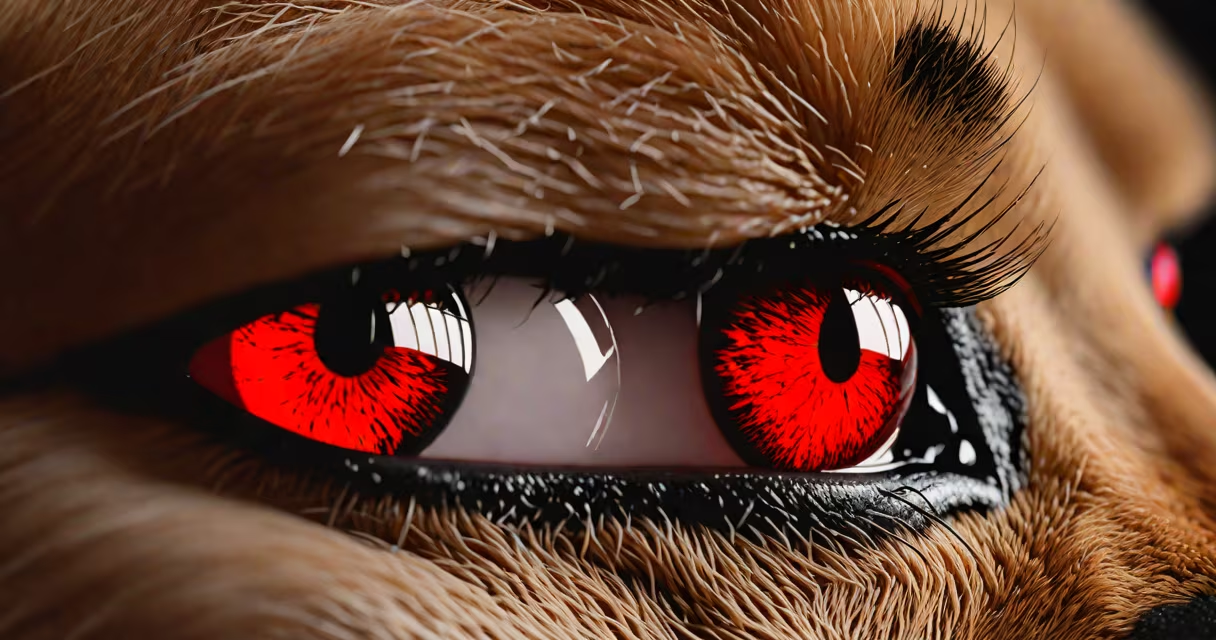
Dogs develop red eyes when blood vessels in the conjunctiva dilate or when fluid leaks into the cornea, indicating inflammation, injury, or illness. This condition is not a natural trait but a symptom requiring prompt attention.
Redness in a dog's eyes results from increased blood flow to ocular tissues. The conjunctiva-the thin membrane covering the white of the eye and lining the eyelids-swells and becomes visibly reddened when irritated or infected. This response is part of the body's immune defense, but it signals distress rather than normal function.
While some breeds like Pugs or Bulldogs naturally have prominent eyes due to brachycephalic anatomy, they still experience redness when inflamed. A dog's red eyes are never simply "part of their look" unless caused by genetics in specific breeds. Even then, sudden changes in eye color or redness require evaluation.
How Red Eyes Develop in Dogs
Red eyes form when the delicate blood vessels in the eye's surface expand. This dilation occurs in response to triggers such as allergens, foreign particles, trauma, or infections. The immune system releases chemicals like histamine, which increase vascular permeability and cause swelling and redness.
For example, a dog playing in tall grass may inhale pollen or get a speck of dirt in its eye. Within minutes, the eye may appear bloodshot. The dog might rub its face, blink excessively, or squint. These behaviors indicate discomfort and confirm the presence of a physical irritant.
Chronic redness can stem from conditions like glaucoma, where intraocular pressure rises and compresses blood vessels. According to the American College of Veterinary Ophthalmologists, untreated glaucoma leads to irreversible vision loss in 60% of cases within six months. Early detection through signs like red eyes is critical.
Common Causes of Red Eyes in Dogs
Several distinct medical conditions cause red eyes in dogs. Some are mild and resolve quickly; others require immediate treatment.
| Condition | Key Signs | Typical Cause | When to Seek Care |
|---|---|---|---|
| Conjunctivitis | Redness, discharge, squinting | Bacteria, virus, allergies | Any persistent redness beyond 24 hours |
| Corneal ulcer | Severe pain, cloudiness, tearing | Injury, dry eye syndrome | Eye appears dull or painful to touch |
| Glaucoma | Redness, enlarged pupil, bulging eye | Blocked fluid drainage | Acute onset with behavioral changes |
| Uveitis | Redness, light sensitivity, decreased vision | Autoimmune reaction, infection | Redness with reduced responsiveness to light |
One case involved a 4-year-old Dachshund named Max who developed redness in his left eye after being chased by a neighbor's cat. He pawed at his face and wouldn't open the eye. A vet diagnosed a corneal scratch from claws. Without treatment, the wound could have led to infection or scarring. After 72 hours of antibiotic drops and a cone collar, Max's eye returned to normal.
Redness under the eyes-often mistaken for "tear stains"-is different from actual redness in the eyeball. Tear staining results from excessive tear production or poor drainage, not inflammation. However, if the skin around the eye is red and inflamed, it may indicate dermatitis or mites. The condition known as "red eyes underneath" typically involves the lower eyelid area and requires separate assessment.
What Red Eyes Are Not
Red eyes in dogs are not a sign of excitement or emotion. Unlike humans, dogs don't express feelings through eye color changes. A dog's pupils may dilate during fear or arousal, but the sclera (white of the eye) doesn't turn red. Any redness indicates physiological stress or damage.
Some owners assume red eyes are normal in certain breeds. While brachycephalic dogs like Shih Tzus or Pekingese have protruding eyes and may show more visible blood vessels, they are still prone to injury and infection. A 2022 study published in the Journal of Veterinary Ophthalmology found that 43% of brachycephalic dogs presented with ocular abnormalities, including conjunctivitis and keratitis, compared to 18% in non-brachycephalic breeds.
Another misconception is that red eyes always mean infection. While bacterial or viral conjunctivitis is common, redness can also result from allergies, dry eye, or even systemic diseases like lupus or cancer. A dog with red eyes and lethargy may have a condition affecting multiple organs. Bloodwork and imaging are sometimes needed to rule out internal causes.
When to See a Veterinarian
Red eyes in dogs should never be ignored. Delaying care increases the risk of permanent damage. If redness persists beyond 24 hours, worsens, or is accompanied by discharge, swelling, or behavioral changes, consult a veterinarian.
I once observed a dog with a single red eye that had been present for three days. The owner assumed it was minor. Upon examination, the vet discovered a fungal infection in the cornea. Treatment took four weeks and included antifungal drops and a surgical procedure to remove scar tissue. The dog nearly lost vision without intervention.
Early diagnosis prevents complications. The American Veterinary Medical Association recommends evaluating any abnormal eye appearance within 48 hours. For dogs with chronic redness, regular check-ups with a veterinary ophthalmologist are advised.
Understanding why dogs have red eyes begins with recognizing that redness is not normal. It's a warning sign. Addressing it early improves outcomes and protects long-term eye health.