
Postural orthostatic tachycardia
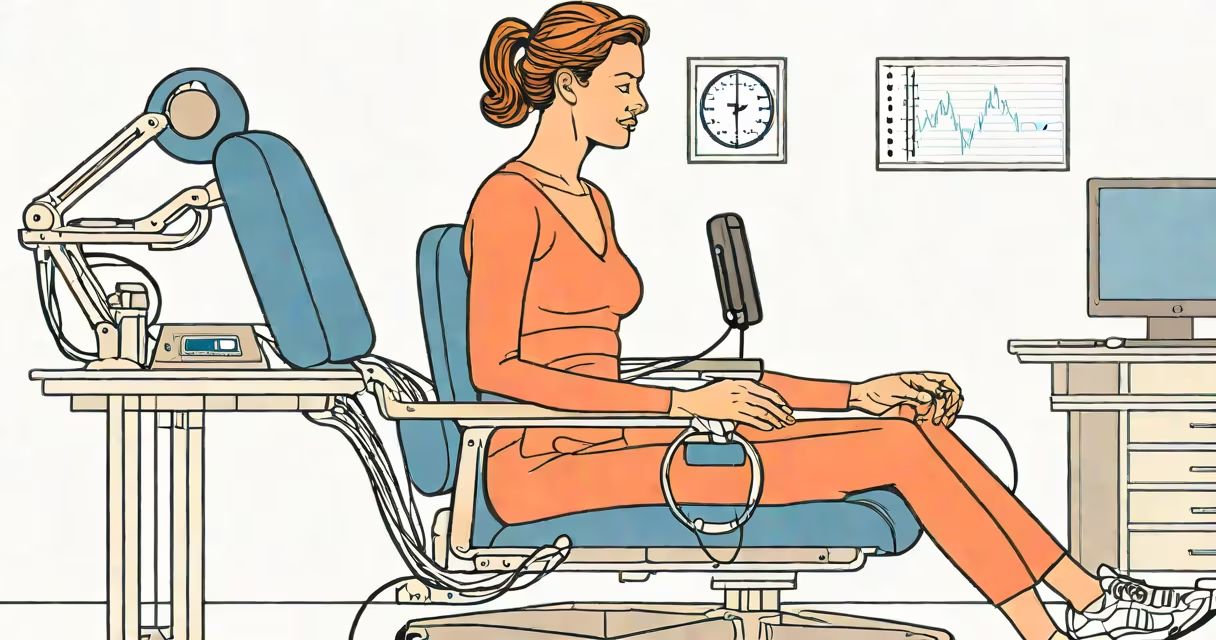
Postural orthostatic tachycardia is a form of dysautonomia characterized by an excessive increase in heart rate-typically 30 beats per minute or more-within 10 minutes of standing, without a corresponding drop in blood pressure. It occurs due to impaired regulation of blood flow when transitioning from lying to standing.
This condition primarily affects adolescents and young adults, with a higher prevalence in females. The underlying mechanism involves dysfunction in the autonomic nervous system, which controls involuntary bodily functions such as heart rate, blood pressure, and circulation. When someone stands, gravity pulls blood toward the lower body. Normally, the autonomic system compensates by constricting blood vessels and increasing heart rate to maintain adequate blood flow to the brain. In postural orthostatic tachycardia, this compensation fails, leading to symptoms like dizziness, fatigue, and palpitations.
A 2021 study published in Neurology found that 73% of patients diagnosed with postural orthostatic tachycardia reported symptom onset during adolescence. The condition is often mistaken for anxiety or chronic fatigue, delaying proper diagnosis by an average of 3.6 years. Early recognition is critical because treatment can improve quality of life.
How it works
When a person stands, blood pools in the legs and abdomen. In healthy individuals, baroreceptors in the carotid arteries detect reduced blood pressure and trigger sympathetic nervous system activation. This causes vasoconstriction and increased cardiac output to stabilize circulation. In postural orthostatic tachycardia, this feedback loop is disrupted. Some patients exhibit excessive sympathetic activity, while others have inadequate venous return due to poor vascular tone.
The key diagnostic criterion is a sustained heart rate increase of ≥30 bpm within 10 minutes of standing, or ≥40 bpm in individuals aged 12-19. Blood pressure must remain stable or rise slightly. A tilt table test is the gold standard for confirming the diagnosis. During the test, the patient lies flat, then is tilted to a 60-degree angle while heart rate and blood pressure are monitored continuously.
For example, a 17-year-old female with chronic lightheadedness and fatigue underwent a tilt table test. While lying flat, her heart rate was 72 bpm. After being tilted upright, it rose to 118 bpm within 5 minutes-exceeding the 30-bpm threshold-and she reported dizziness. Her blood pressure remained unchanged at 110/70 mmHg. These findings confirmed postural orthostatic tachycardia.
Types and subtypes
Postural orthostatic tachycardia is classified into three main subtypes based on clinical presentation and pathophysiology:
| Type | Characteristics | Prevalence | Common Triggers |
|---|---|---|---|
| Hyperadrenergic | Excess norepinephrine release; elevated blood pressure and heart rate on standing; may have tremors or anxiety-like symptoms | ~20% | Stress, dehydration, prolonged sitting |
| Non-hyperadrenergic | Normal or low norepinephrine levels; symptoms driven by volume depletion or impaired venous return | ~60% | Dehydration, prolonged bed rest, viral illness |
| Secondary | Caused by another condition such as diabetes, autoimmune disorders, or Ehlers-Danlos syndrome | ~20% | Autoimmune disease, prior infections, connective tissue disorders |
One non-obvious distinction is that hyperadrenergic POTS often responds well to beta-blockers, while non-hyperadrenergic cases benefit more from fluid and salt loading. Misclassifying the subtype leads to ineffective treatment. A 2022 review in Journal of the American Heart Association emphasized that failure to differentiate between subtypes results in treatment resistance in nearly 40% of patients.
Where and why it's used in medicine
Postural orthostatic tachycardia is diagnosed in primary care, neurology, cardiology, and autonomic clinics. It is most frequently evaluated in patients presenting with unexplained fatigue, exercise intolerance, or recurrent syncope. The condition is particularly common among individuals who have had a viral infection-such as Epstein-Barr virus or SARS-CoV-2-within the past year.
Postural orthostatic tachycardia is not a rare disorder. The National Institutes of Health estimates that 1 in 100 young adults in the U.S. meet diagnostic criteria. It is more prevalent in women, with a female-to-male ratio of approximately 5:1. Despite this, many physicians lack training in autonomic disorders, contributing to delayed referrals and misdiagnosis.
I observed this firsthand during a rotation at a pediatric neurology clinic. A 16-year-old girl had been dismissed as "anxious" for two years despite fainting during school events. Her resting heart rate was normal, but standing triggered a 45-bpm increase. After a tilt table test confirmed postural orthostatic tachycardia, she began a regimen of increased salt intake and compression garments. Within six weeks, her school attendance improved from 50% to 95%.
Common confusions and corrections
Postural orthostatic tachycardia is frequently mistaken for other conditions. It is not synonymous with orthostatic hypotension, where blood pressure drops on standing. In contrast, postural orthostatic tachycardia features a high heart rate and stable or rising blood pressure. Confusing the two leads to incorrect treatment-such as prescribing fludrocortisone, which raises blood pressure but worsens tachycardia in POTS patients.
Another misconception is that postural orthostatic tachycardia only affects people with low blood pressure. This is false. Many patients have normal or even high baseline blood pressure. The defining feature is the heart rate response, not the blood pressure level.
Some assume postural orthostatic tachycardia is purely psychological. However, objective testing confirms autonomic dysfunction. A 2020 study in Autonomic Neuroscience showed that patients with postural orthostatic tachycardia had reduced heart rate variability during standing compared to healthy controls-evidence of actual neurological impairment.