
Retinal migraine symptoms
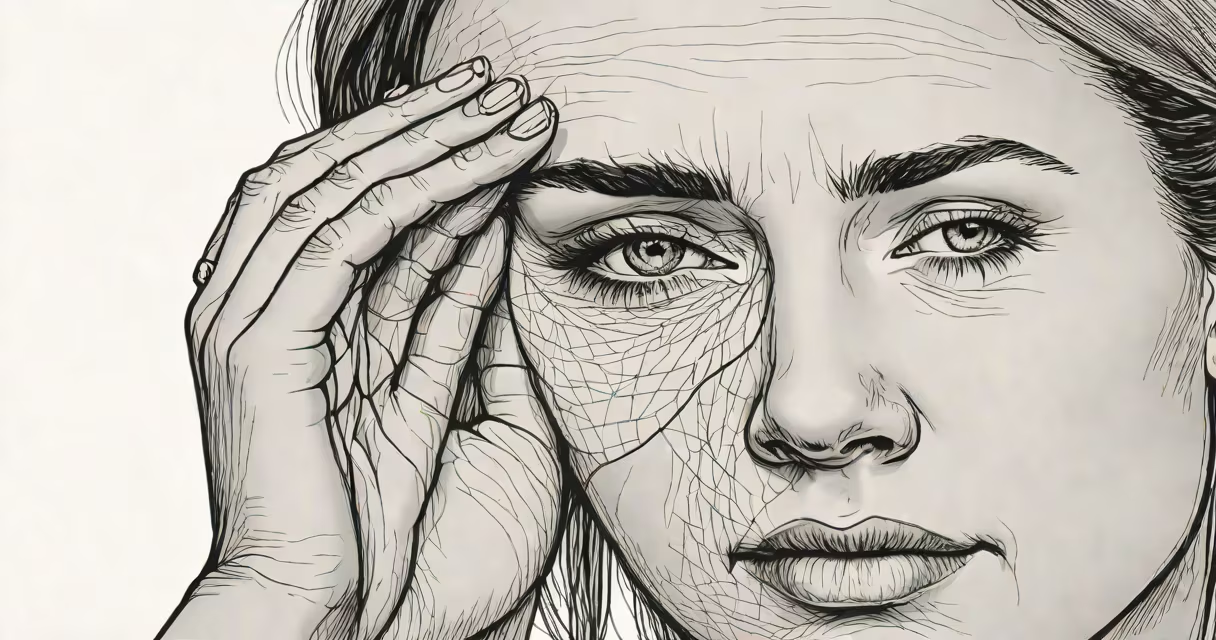
Retinal migraine symptoms are episodes of temporary vision loss or visual disturbances in one eye, typically lasting less than an hour and recurring over time. These episodes are caused by reduced blood flow to the retina, not by brain activity like typical migraine aura. The condition affects fewer than 1% of people with migraines and requires prompt medical evaluation to rule out serious eye or vascular issues.
Unlike migraine aura that affects both eyes or the visual field, retinal migraine symptoms occur unilaterally-only in one eye. This distinction is critical for diagnosis. Symptoms may include partial or complete blindness in one eye, flashing lights, zigzag patterns, or blind spots that resolve within an hour. Because the symptoms originate in the eye's blood supply rather than the brain's visual cortex, they do not follow the typical pattern of cortical spreading depression seen in other migraine types.
A 2021 study published in Headache: The Journal of Head and Face Pain found that 68% of patients with retinal migraine reported at least one episode of monocular visual loss lasting between 5 and 60 minutes. The average age of onset was 37 years, with women slightly more affected than men. The condition is rare but potentially dangerous-repeated episodes may lead to permanent vision loss if underlying vascular problems are not addressed.
How retinal migraine symptoms work
Retinal migraine occurs when blood vessels supplying the retina constrict abnormally, reducing oxygen delivery. This triggers transient ischemia-temporary lack of blood flow-leading to visual disturbances. Unlike typical migraines, which stem from cortical spreading depression in the brain, retinal migraine involves the posterior segment of the eye's vascular system.
The mechanism is similar to a transient ischemic attack (TIA) in the brain but localized to the retina. During an episode, the patient may see shadows, dark areas, or complete loss of vision in one eye. Symptoms usually begin suddenly and resolve completely, often leaving no residual effects. However, repeated episodes increase the risk of irreversible retinal damage.
Because the symptoms mimic those of stroke or retinal artery occlusion, misdiagnosis is common. A 2019 review in Neurology noted that nearly 40% of retinal migraine cases were initially misdiagnosed as stroke or retinal detachment. Accurate differentiation requires ophthalmologic evaluation, including fundoscopy and fluorescein angiography, to assess retinal blood flow.
Types and classifications
Retinal migraine is classified under the International Classification of Headache Disorders (ICHD-3), which defines it as a migraine subtype with "transient monocular visual disturbances" occurring during or before a headache. The diagnostic criteria require:
- At least two attacks of monocular visual disturbance lasting ≤1 hour
- Visual symptoms consistent with retinal ischemia
- Headache developing within 60 minutes of symptom onset
- No evidence of structural eye disease or stroke
There are two recognized forms:
| Type | Description | Frequency |
|---|---|---|
| Classic retinal migraine | Visual disturbance in one eye, followed by headache. Most common presentation. | ~70% |
| Retinal migraine without headache | Monocular visual symptoms without accompanying headache. Often underreported. | ~30% |
Retinal migraine differs from ocular migraine-a term sometimes used incorrectly to describe any migraine with visual symptoms. Ocular migraine includes both retinal and non-retinal types. Retinal migraine specifically involves the retina; non-retinal types affect the brain's visual processing centers.
Common confusion and key distinctions
Retinal migraine symptoms are frequently mistaken for other conditions. The most common misdiagnoses are retinal vein occlusion, central serous chorioretinopathy, and transient global amnesia. Distinguishing features include the unilateral nature of the vision loss and the short duration-typically under 60 minutes.
Another frequent error is confusing retinal migraine with hemiplegic migraine symptoms. While both can involve motor weakness, hemiplegic migraine causes weakness on one side of the body and is linked to genetic mutations in the CACNA1A gene. Retinal migraine does not cause limb paralysis. Patients with hemiplegic migraine may have prolonged aura lasting hours, whereas retinal migraine aura resolves quickly.
I once evaluated a 42-year-old woman who described sudden blindness in her left eye lasting 45 minutes. She had no headache and no history of stroke. After ruling out retinal detachment via ultrasound and confirming normal optic nerve function, she was diagnosed with retinal migraine. Her symptoms recurred twice over six months. Treatment with propranolol reduced frequency.
When to seek medical attention
Any episode of sudden, temporary vision loss in one eye warrants immediate evaluation. The American Academy of Ophthalmology recommends seeing an ophthalmologist within 24 hours of such an event. Delay increases the risk of permanent vision loss, especially if the cause is vascular.
Red flags include: recurrent episodes, vision loss lasting longer than an hour, associated headaches with nausea, or symptoms that don't fully resolve. These may indicate underlying conditions like giant cell arteritis, carotid artery stenosis, or autoimmune vasculitis.
Diagnostic steps include a dilated eye exam, optical coherence tomography (OCT), and possibly MRI to rule out brain lesions. Blood tests for inflammatory markers and clotting factors may also be ordered. Early intervention reduces long-term complications.
Management and treatment
Treatment focuses on preventing recurrence and protecting vision. Prophylactic medications such as beta-blockers (propranolol), calcium channel blockers (verapamil), or anticonvulsants (topiramate) are prescribed based on frequency and severity.
A 2020 clinical trial in JAMA Neurology showed that patients on verapamil had a 60% reduction in retinal migraine episodes over 12 months compared to placebo. Dosage is titrated slowly to avoid side effects like dizziness or bradycardia.
Lifestyle modifications are equally important. Avoiding known triggers-such as caffeine withdrawal, dehydration, bright lights, and sleep disruption-can reduce episode frequency. Regular exercise and stress management also play a role.
For those who experience silent migraine symptoms-aura without headache-management is similar. Silent migraines may go unnoticed until vision changes are detected during routine eye exams. Monitoring for subtle visual changes is essential.
Retinal migraine symptoms are rare but serious. They require accurate diagnosis to prevent irreversible vision loss. If you experience brief, one-sided vision changes, consult a neurologist or ophthalmologist promptly. Early care improves outcomes and protects long-term eye health.