
abdominal pain symptoms
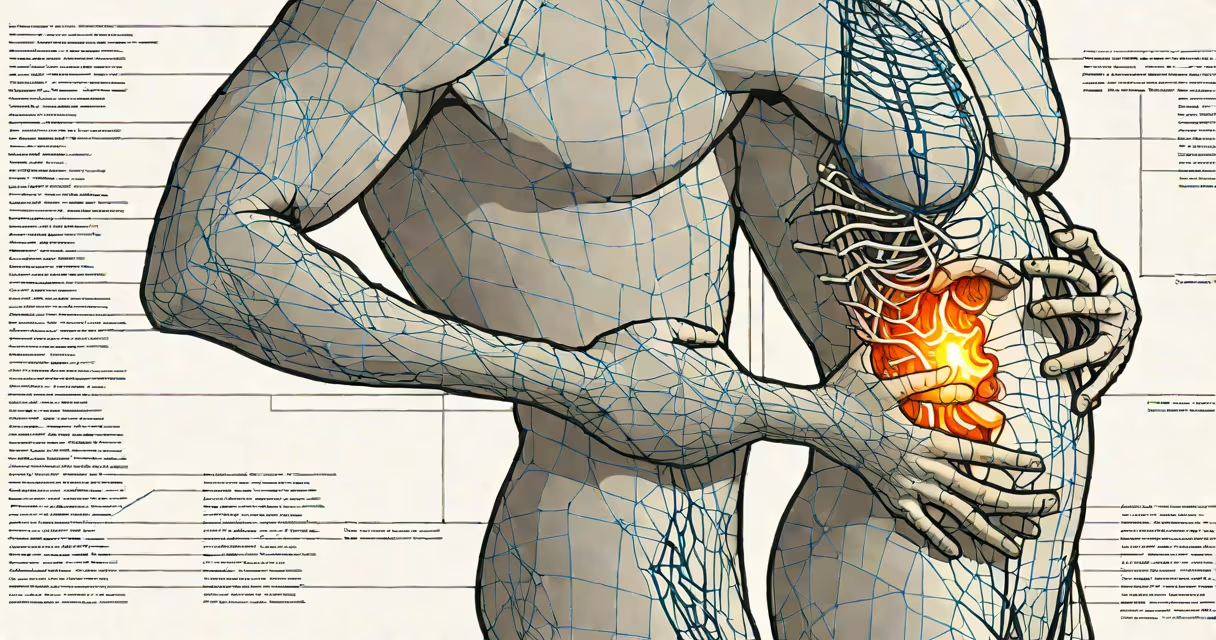
Abdominal pain symptoms refer to discomfort, soreness, or distress felt anywhere between the chest and the groin, often signaling issues in the digestive tract, reproductive organs, or urinary system. These symptoms range from mild cramping to sharp, persistent pain and may occur suddenly or develop over time.
Abdominal pain arises when nerves in the abdominal wall, organs, or lining send signals to the brain indicating irritation, inflammation, obstruction, or injury. The sensation can feel dull, burning, sharp, throbbing, or cramp-like depending on the underlying cause. Pain location, duration, and associated symptoms help narrow down potential diagnoses.
According to the National Institute of Diabetes and Digestive and Kidney Diseases (NIDDK), abdominal pain affects about 15% of adults annually, with most cases resolving within days. However, certain patterns-such as worsening pain, fever, vomiting blood, or inability to pass stool-require urgent evaluation.
How abdominal pain symptoms manifest
Pain location offers key clues. Upper abdominal pain near the ribcage may stem from gastritis, gallstones, or pancreatitis. Mid-abdominal cramping often points to intestinal issues like irritable bowel syndrome (IBS) or food poisoning. Lower abdominal pain on one side may indicate appendicitis or ovarian cysts in women.
The nature of the pain matters too. A steady ache suggests inflammation, while sharp, stabbing pain may indicate perforation or obstruction. Cramping typically accompanies gas, diarrhea, or menstrual cycles. Burning sensations often link to acid reflux or peptic ulcers.
For example, a 34-year-old woman reported sudden right lower quadrant pain lasting six hours, accompanied by nausea and low-grade fever. She was later diagnosed with early-stage appendicitis. Her symptoms matched classic presentation: pain that began around the navel and migrated downward-a pattern seen in 70% of appendicitis cases, per a 2021 study in *The American Journal of Surgery*.
Types and common causes
Abdominal pain symptoms fall into two broad categories: acute and chronic. Acute pain develops rapidly, lasts less than seven days, and often results from infections, injuries, or blockages. Chronic pain persists for more than three months and may reflect functional disorders or long-term conditions.
| Type | Duration | Common Causes | Red Flags |
|---|---|---|---|
| Acute | <7 days | Food poisoning, gallstones, appendicitis, kidney stones | Fever, vomiting, inability to pass stool, severe pain |
| Chronic | >3 months | IBS, Crohn's disease, ulcerative colitis, fibromyalgia | Weight loss, blood in stool, nighttime pain |
Functional gastrointestinal disorders account for nearly half of all chronic abdominal pain cases. IBS, for instance, causes recurrent cramping, bloating, and alternating diarrhea and constipation without structural damage. The Rome IV criteria define IBS based on symptom frequency and absence of organic disease.
A non-obvious distinction: not all abdominal pain originates in the gut. Referred pain from the heart (e.g., angina) or lungs (e.g., pleurisy) can radiate to the upper abdomen. Similarly, kidney stones may cause flank pain that spreads to the lower abdomen and groin.
When symptoms signal a serious condition
Some abdominal pain symptoms demand immediate medical care. Severe, unrelenting pain that worsens with movement or pressure indicates possible internal bleeding or organ rupture. Sudden onset of intense pain in the upper left or right abdomen may suggest splenic or hepatic rupture-rare but life-threatening.
Red flags include:
- Pain with fever above 101°F (38.3°C)
- Vomiting blood or material resembling coffee grounds
- Passing black, tarry stools (indicating GI bleeding)
- Unexplained weight loss over weeks
- Pain that wakes you from sleep or disrupts daily function
I experienced this firsthand during a trip to Mexico. After eating street tacos, I developed sharp cramps, watery diarrhea, and chills. Within 12 hours, I had dehydration symptoms and sought care. Stool tests revealed *Salmonella* infection. Antibiotics cleared the illness in four days. This episode underscored how quickly mild symptoms can escalate.
Alcohol consumption can trigger or worsen abdominal pain. Alcohol irritates the stomach lining, increases acid production, and may lead to gastritis or pancreatitis. A 2020 review in *Gut* found that heavy drinkers were twice as likely to report recurrent abdominal pain compared to non-drinkers. For those with pre-existing conditions like hepatitis or cirrhosis, even moderate intake can provoke severe pain.
Common misinterpretations and confusion
Many people assume all abdominal pain stems from digestion. But pain from the spine, muscles, or nerves can mimic gastrointestinal issues. A hernia, for example, may cause localized tenderness and a bulge, especially when lifting. Muscle strains from exercise or poor posture can produce sharp pain with movement.
Another misconception: "I've had stomachaches before, so this is nothing." Recurrent pain doesn't mean it's benign. Chronic conditions like inflammatory bowel disease (IBD) progress silently until complications arise. Early diagnosis improves outcomes-up to 80% of IBD patients achieve remission with timely treatment, according to the Crohn's & Colitis Foundation.
Finally, abdominal pain symptoms aren't always linked to diet. While spicy foods or lactose intolerance can trigger discomfort, they don't explain all cases. A 2019 study in *The Lancet Gastroenterology & Hepatology* showed that only 30% of patients with chronic abdominal pain had identifiable dietary triggers.