
south park new name
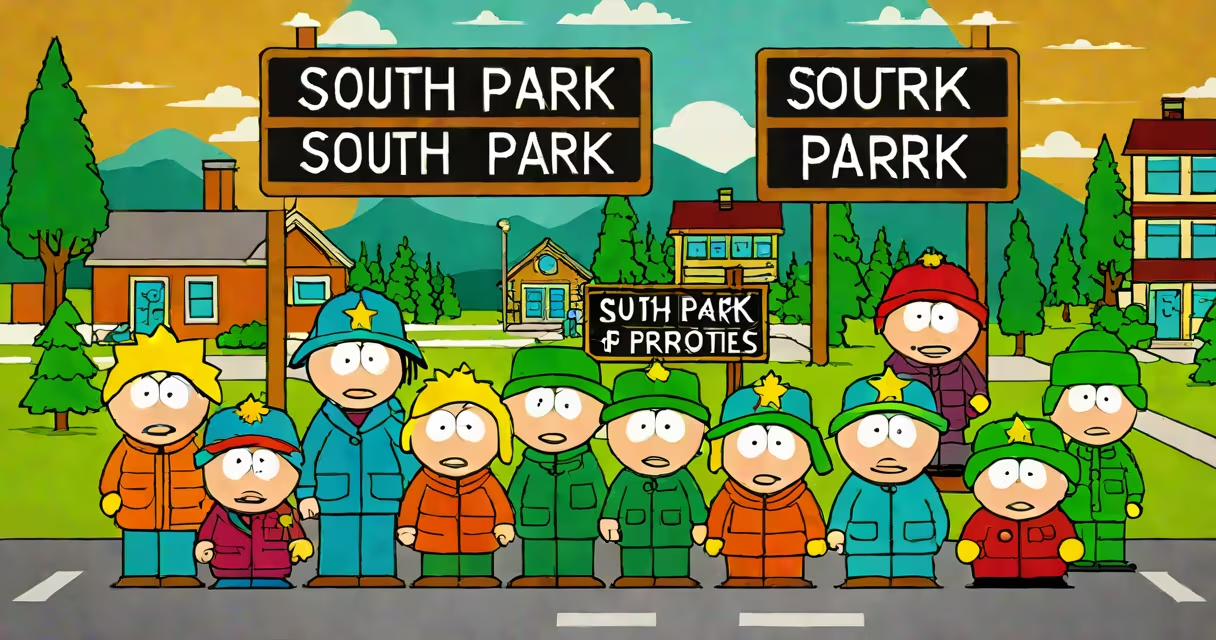
The term "south park new name" refers to the evolving use of titles across episodes and seasons of the animated series, not a formal rebranding of the show itself. The series retains its original name, South Park, throughout its run since 1997.
South Park uses a mix of recurring character nicknames, satirical episode titles, and running gags to create narrative momentum. These titles often reflect current events, cultural commentary, or inside jokes. For example, the episode "Scott Tenorman Must Die" features a title that functions as both a plot device and a recurring phrase among fans, though it is not a new official name for the show.
Some fans mistakenly believe the show changed its name due to a viral internet trend or a late-season episode title. However, no official episode or season has introduced a new canonical name for the series. The show's branding remains consistent: South Park is always the title, even when individual episodes adopt alternative or ironic titles.
How the Show Uses Titles and Names
South Park employs titles to frame satire. Each episode begins with a title card that includes the episode's name, such as "The City Part of Town," which references a specific location within the fictional town. These titles serve as narrative anchors, guiding viewers through the episode's central theme.
Character nicknames function similarly. Eric Cartman frequently calls Kyle Broflovski "Faggit" or "Killy," while Stan Marsh is often called "Stan the Man." These monikers are not official names but recurring verbal tropes that reinforce character dynamics and humor.
When the show addresses real-world topics-like political figures, social movements, or internet culture-it often adopts a title that mirrors public discourse. For instance, the episode "The Death of Eric Cartman" was titled to parody the viral "death" rumors that circulated online. The title reflects audience perception, not a change in the show's name.
Types of Titles and Their Functions
South Park uses four primary title formats:
| Type | Description | Example |
|---|---|---|
| Literal Episode Title | Descriptive, often referencing plot points or locations. | "Cartman Gets an Anal Probe" |
| Satirical Headline | Mimics news headlines or internet memes. | "The Biggest Douche in the Universe" |
| Character Nickname | Recurring slang used between characters. | "Faggit" (Kyle Broflovski) |
| Running Gag Title | Reused phrases that evolve over time. | "I'm going to kill you!" (repeated in multiple episodes) |
These formats allow the show to maintain narrative consistency while adapting to changing cultural contexts. The core title, South Park, never changes, but the way titles are used evolves with each season.
Common Misconceptions About the Name
One widespread error is believing that "South Park" was officially renamed during Season 22, when the show aired episodes titled "The Problem with a Poo" and "The F Word." These were not new names but standard episode titles. The show's name remained unchanged.
Another confusion arises from the show's frequent use of parody titles. In Season 26, an episode titled "The Pandemic Special" mimicked the format of a live broadcast during the pandemic. The title referenced real-world events but did not alter the show's identity. The official title remained South Park.
A lesser-known fact: the show's creators, Trey Parker and Matt Stone, have stated that they avoid renaming the series because the name itself is part of the satire. The fictional town of South Park is meant to represent a generic American small town. Renaming it would undermine the show's commentary on regionalism and media representation.
Real-World Examples and Usage
In 2023, a fan-made video titled "South Park New Name: The Truth Revealed" went viral on YouTube. The video claimed the show had been rebranded to "South Park: The New Era." This was false. The video used edited clips and misleading captions to suggest a name change. The actual episode titles from that season, including "The Big Picture" and "The End of the World," continued to use the original title.
Another example: in 2021, a Reddit thread asked whether "South Park" had a new name after an episode titled "The Return of the Lost Boys." The discussion centered on the idea that the show had shifted focus. However, the episode's title referred to a subplot involving missing children, not a rebranding effort. The show's name stayed consistent.
During a live panel at San Diego Comic-Con in 2022, Trey Parker confirmed that the show's name would remain South Park indefinitely. He noted that the title is intentionally bland and unremarkable-a deliberate choice to show the absurdity of naming a fictional town after a geographic descriptor.
Why the Name Doesn't Change
South Park's consistency in branding supports its long-term narrative strategy. The show has aired over 300 episodes since 1997. Maintaining the same title reinforces continuity and allows audiences to track thematic evolution over time.
According to the Library of Congress, South Park is cataloged under the original title. The show's metadata, including broadcast records and streaming platform listings, consistently list it as South Park. Any suggestion of a new name would contradict established documentation.
From a creative standpoint, changing the name would disrupt the show's satirical structure. The name "South Park" is a reference point for irony. It's a place that feels familiar yet absurd-just like the show's portrayal of American life. Altering it would weaken the show's ability to critique societal norms through exaggeration.
When I watched the episode "The Coon and Friends" in 2019, I noticed how the title functioned as a parody of superhero team names. The show used "The Coon" as a nickname for a character who pretended to be a vigilante. The title wasn't a new name for the series-it was a joke about identity and performance. That moment reinforced how South Park uses naming to explore deeper themes.
Conclusion
"South Park new name" is a misnomer. The show has never adopted a new official title. Its episode titles, character nicknames, and satirical references are tools for storytelling, not rebranding. The original name remains intact across all seasons and platforms.