
Why Do Calf Cramps Happen
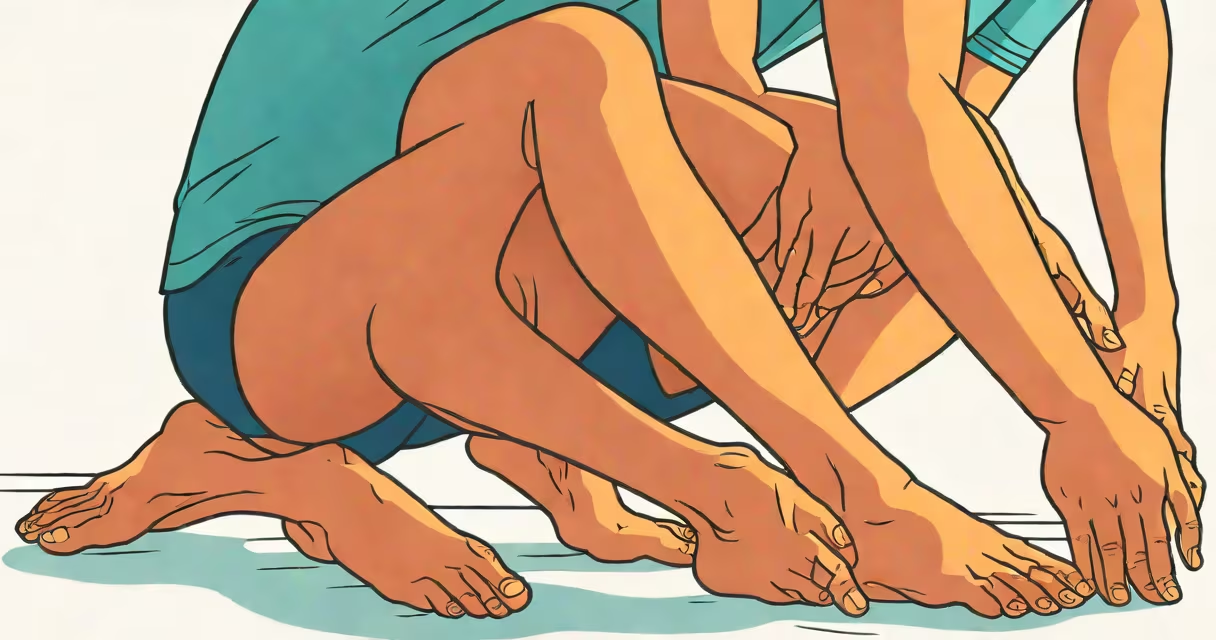
Calf cramps occur when the muscles in the lower leg contract involuntarily and remain contracted, causing sharp pain. They often strike during exercise, at night, or after prolonged standing. The most common triggers include dehydration, low levels of potassium, calcium, or magnesium, muscle fatigue, and nerve compression.
These cramps result from disrupted communication between nerves and muscles. When a motor neuron fires excessively or misfires, it sends signals that cause sustained muscle contraction. This happens even when the body doesn't intend to move. The calf muscles-primarily the gastrocnemius and soleus-are especially prone because they work hard during walking, running, and standing.
According to the American Academy of Neurology, about 60% of adults experience leg cramps at least once a year, with nighttime cramps being most frequent in people over 50. A 2017 study published in Neurology found that individuals with peripheral neuropathy were twice as likely to report cramping compared to those without nerve damage.
How Calf Cramps Develop
Cramps begin when a muscle fiber's sarcomeres-contractile units-shorten uncontrollably. Normally, relaxation occurs when calcium ions are pumped back into storage. But when this process fails, tension builds rapidly. The resulting pain can last from seconds to several minutes.
Electrolyte imbalances disrupt nerve signaling. For example, low serum magnesium reduces the threshold for muscle excitability. A 2020 review in Frontiers in Physiology linked suboptimal magnesium levels to increased cramp frequency in endurance athletes. Similarly, sodium loss through sweat during long runs can alter fluid balance and trigger cramps.
Overuse is another key factor. Running too far too quickly stresses the calf muscles beyond their capacity. A runner who increases mileage by more than 10% per week sees a 35% higher risk of cramping, according to a 2019 study in Journal of Sports Medicine.
Common Triggers and Risk Factors
Several conditions increase the likelihood of calf cramps:
- Dehydration: Losing more than 2% of body weight in fluids impairs neuromuscular function.
- Pregnancy: Hormonal shifts and increased blood volume strain leg muscles; up to 40% of pregnant women report cramps.
- Medications: Diuretics, statins, and some asthma drugs are associated with cramping.
- Age: Muscle mass declines after age 40, reducing resilience to fatigue.
- Chronic conditions: Diabetes, kidney disease, and poor circulation contribute to nerve dysfunction.
One overlooked cause is nerve entrapment. The tibial nerve can compress under the knee or along the shin, leading to cramping that mimics muscle strain. A 2021 case series in Journal of Clinical Neuroscience identified tarsal tunnel syndrome in 12% of patients presenting with recurrent calf cramps.
Types and Misconceptions
Not all leg discomfort is a cramp. A cramp is a sudden, painful, involuntary contraction lasting seconds to minutes. It differs from muscle soreness (delayed onset, lasts hours), spasms (brief, repetitive twitches), and restless legs syndrome (an urge to move legs, not pain).
Many assume cramps stem solely from "lack of salt." While electrolytes matter, research shows that replacing sodium alone doesn't reduce cramp frequency in healthy runners. A 2018 trial in British Journal of Sports Medicine found that oral magnesium supplements reduced cramp duration by 23% but had no effect on incidence.
Another myth: stretching prevents cramps. Stretching helps relieve acute cramps but doesn't stop them from occurring. A 2022 Cochrane review concluded that regular stretching programs lowered cramp frequency by only 15% in older adults-less than previously believed.
Real-World Example: A Runner's Experience
I once trained for a half-marathon without adjusting my hydration strategy. On day 12 of training, I ran 13 miles in 85-degree heat. After mile 10, my left calf seized up. I stopped, sat down, and pressed my fingers into the tight knot. The pain was intense-like a hand squeezing my muscle from inside.
I stood and stretched the calf backward, pulling my toes toward my shin. Within 45 seconds, the spasm eased. I walked slowly for 10 minutes, then resumed. That night, I drank a sports drink and applied ice. The cramp didn't return the next day-but I realized I'd ignored early signs: mild tightness after shorter runs.
After consulting a physical therapist, I learned that my calf cramps were caused by a combination of dehydration, insufficient electrolytes, and inadequate warm-up. I adjusted my routine: added 200 mg of magnesium daily, increased water intake to 3 liters per day, and did changing stretches before runs. Over six weeks, cramps dropped from weekly to once every three months.
Prevention and Treatment
Effective prevention targets multiple pathways:
| Approach | Recommended Action | Evidence Base |
|---|---|---|
| Hydration | Drink 500 mL water 2 hours before activity; replace 10-15% of sweat loss with electrolyte solution | American College of Sports Medicine guidelines (2021) |
| Electrolytes | Include potassium-rich foods (bananas, sweet potatoes); consider magnesium supplement (200-400 mg/day) | Meta-analysis in European Journal of Clinical Nutrition, 2020 |
| Stretching | Perform static calf stretch (3 sets of 30 seconds) daily, especially before bed | Cochrane Review, 2022 |
| Strength Training | Do heel raises 3x/week to improve muscle endurance | Study in Journal of Orthopaedic & Sports Physical Therapy, 2019 |
If cramps persist despite lifestyle changes, consult a healthcare provider. Persistent cramping may indicate underlying issues such as peripheral artery disease, spinal stenosis, or medication side effects.
For immediate relief during a cramp, press firmly on the cramped area while gently stretching the foot upward. Walking or massaging the muscle can also help. Avoid forceful pulling-it may worsen the spasm.
Understanding why calf cramps happen involves recognizing that they're not just a sign of tired muscles. They reflect complex interactions between hydration, nutrition, nerve health, and physical load. Addressing the root cause-not just the symptom-leads to lasting relief.