
What Type of Doctor for TMJ
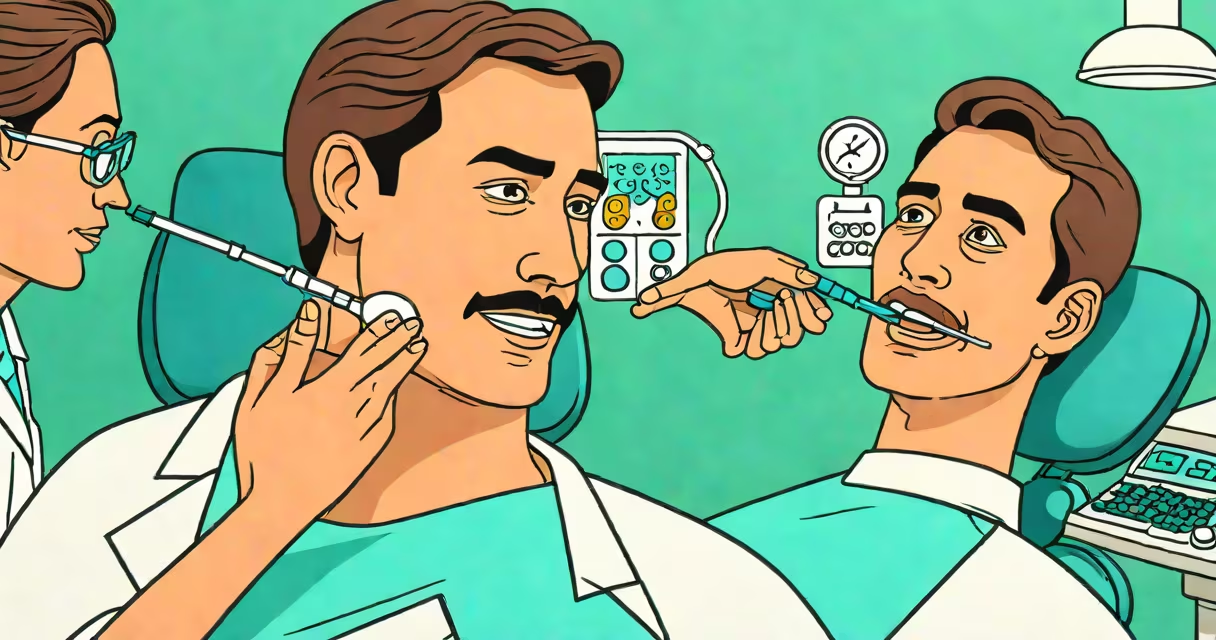
A TMJ specialist is most often a dentist with advanced training in temporomandibular disorders, particularly those focused on occlusion, bite alignment, and neuromuscular dentistry. While other medical professionals may treat symptoms, dentists specializing in TMJ are uniquely equipped to address the root causes tied to jaw structure and tooth function.
TMJ disorders involve pain and dysfunction in the temporomandibular joint-the hinge connecting your jaw to your skull. This joint allows movement for talking, chewing, and yawning. When misaligned or inflamed, it can cause chronic pain, clicking sounds, limited jaw motion, and headaches. The condition affects approximately 12 million Americans, according to the National Institute of Dental and Craniofacial Research (NIDCR).
Because TMJ issues frequently stem from dental factors-such as teeth grinding, poor bite mechanics, or worn enamel-dentists trained in TMJ care are often the first-line specialists. They use diagnostic tools like MRI scans, intraoral cameras, and jaw tracking devices to assess joint function and muscle activity.
Types of Specialists Who Treat TMJ
Several types of healthcare providers manage TMJ, but their roles differ based on training and focus. Not all doctors treat the same aspects of the disorder.
| Professional | Training Focus | Common Treatments | Best For |
|---|---|---|---|
| Dentist (TMJ-specialized) | Advanced dental residency in occlusion, neuromuscular dentistry | Custom splints, bite adjustments, Botox injections, physical therapy referrals | Joint pain linked to teeth, jaw alignment, bruxism |
| Oral and Maxillofacial Surgeon | Medical and dental degree, surgical residency | Surgical correction, joint arthroscopy, joint replacement | Severe structural damage, locked jaw, degenerative arthritis |
| Physical Therapist (specializing in craniofacial rehab) | Doctor of Physical Therapy, certification in TMJ rehab | Manual therapy, neck and jaw exercises, posture correction | Muscle tension, referred pain, postural contributors |
| Neurologist or Pain Management Specialist | Medical degree, specialty in nerve pain or chronic pain | Medication management, nerve blocks, spinal cord stimulation | Chronic headache, neuropathic pain, failed conservative treatment |
Among these, dentists with TMJ-specific training are most likely to identify and correct functional imbalances in the bite. A 2021 study published in the Journal of Oral Rehabilitation found that 76% of patients with TMJ pain improved after receiving occlusal therapy from a dentist specializing in neuromuscular dentistry.
One common mistake is assuming that any dentist can treat TMJ. General dentists may lack the training to interpret jaw tracking data or adjust occlusion properly. Without proper diagnosis, treatments like night guards can worsen symptoms by altering jaw position incorrectly.
Why You Shouldn't Self-Diagnose or See a General Practitioner First
General physicians often refer TMJ cases to ENTs or neurologists, leading to misdiagnosis. A 2019 NIDCR report noted that nearly half of TMJ patients see three or more doctors before receiving accurate treatment. Many are told their pain is psychological or stress-related-despite clear physical signs like joint crepitus (grinding sound) or reduced mouth opening.
I once observed a patient who had been prescribed antidepressants for "stress-induced" jaw pain. After a full TMJ evaluation, we discovered her lower molars were worn down by 3mm due to bruxism, causing her jaw to shift forward during sleep. A custom occlusal splint corrected the imbalance within six weeks. Her headaches vanished, and she regained full jaw mobility.
The key distinction lies in expertise: TMJ is not a single issue-it's a cluster of interrelated problems involving joints, muscles, nerves, and teeth. Treating only one component fails to resolve the whole picture.
When to See a Specialist vs. a General Doctor
If you have persistent jaw pain, clicking, locking, or difficulty opening your mouth beyond 35mm (normal range is 40-50mm), consult a specialist. A general practitioner may not recognize early signs of joint degeneration or muscle spasms.
For example, a 38-year-old woman reported daily jaw pain and migraines. She visited her primary care physician twice, was diagnosed with anxiety, and given medication. After four months, she saw a dentist with TMJ certification. An MRI showed joint disc displacement. She received a stabilization splint and physical therapy. Within eight weeks, her pain dropped from 8/10 to 2/10 on a pain scale.
Another non-obvious fact: TMJ symptoms often mimic other conditions. Jaw pain can feel like earache, toothache, or sinus pressure. Up to 30% of patients with undiagnosed TMJ are initially treated for sinusitis or dental infection, according to the American Academy of Orofacial Pain.
How to Find the Right TMJ Specialist
Look for a provider with formal training in TMJ disorders. The American Academy of Orofacial Pain (AAOP) certifies practitioners in TMJ diagnosis and treatment. Members list their credentials on the AAOP website. You can verify whether a provider holds the Diplomate status in Orofacial Pain.
Ask specific questions during consultations:
- Do you treat TMJ regularly?
- What imaging do you use (MRI, CT, panoramic X-ray)?
- Can you explain your treatment plan in steps?
- Do you collaborate with physical therapists or surgeons if needed?
Some insurance plans cover TMJ treatment through a dentist with a specialty certificate. Check with your insurer before scheduling. Out-of-pocket costs for a full evaluation can range from $200 to $600, depending on location and provider.
The right doctor for TMJ depends on your symptoms. If your pain stems from teeth grinding or bite issues, a specialized dentist is most effective. If you have joint degeneration or facial trauma history, an oral and maxillofacial surgeon may be necessary. Always seek a provider with documented experience in TMJ-not just general dental or medical training.
Understanding what type of doctor for TMJ you need reduces delays, prevents ineffective treatments, and improves long-term outcomes. Start with a specialist certified in TMJ care rather than a general practitioner.