
What Causes Abscess on Gums
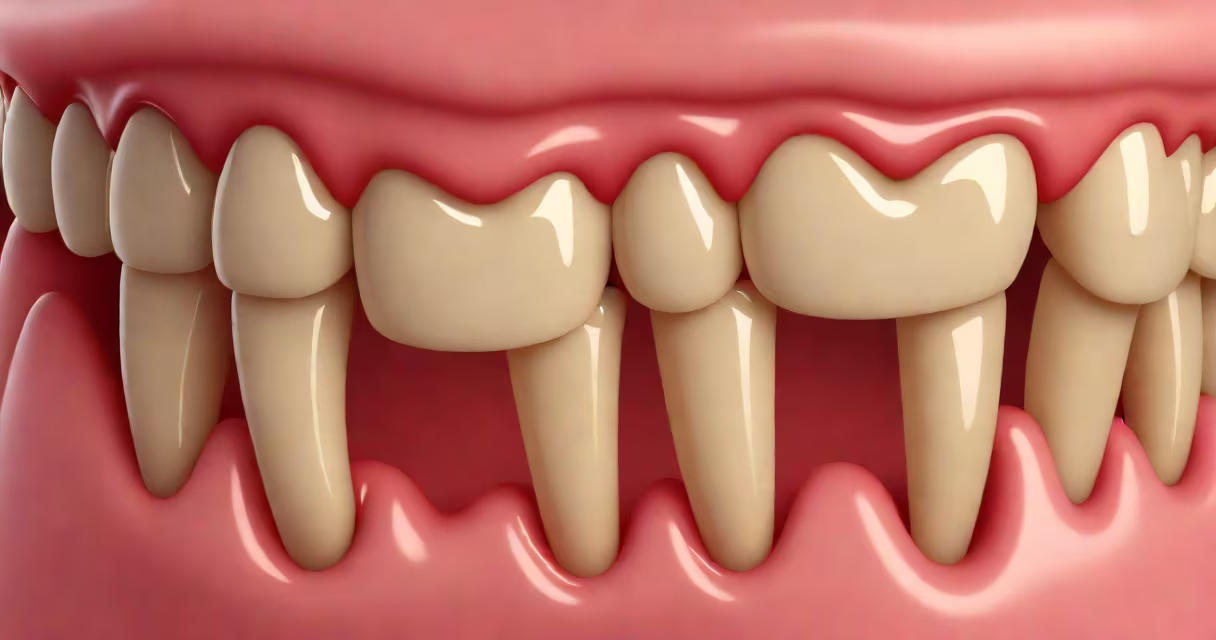
A gum abscess results from bacterial infection in the space between the tooth and gum, leading to pus accumulation, pain, swelling, and sometimes fever. It's a serious condition requiring prompt dental care to prevent tooth loss or spread of infection.
Gum abscesses develop when harmful bacteria enter the gingival sulcus-the small gap between the tooth and gum tissue. Once inside, they multiply rapidly in the warm, moist environment. The body responds by sending white blood cells to fight the invaders, but their efforts create pus. This collection of dead cells, bacteria, and fluid causes pressure, pain, and visible swelling.
Common triggers include poor oral hygiene, food particles trapped under the gumline, aggressive brushing, or untreated gingivitis. A single missed brushing session doesn't cause an abscess, but years of neglect do. For example, a 2021 study published in the Journal of Periodontology found that individuals who brushed less than twice daily had a 3.2 times higher risk of developing periodontal abscesses compared to those who maintained consistent routines.
How Gum Abscesses Form
Bacteria such as Porphyromonas gingivalis and Fusobacterium nucleatum thrive in plaque and tartar deposits. When plaque hardens into calculus, it creates pockets where bacteria hide from brushing and flossing. These deep pockets allow infections to progress undetected until symptoms appear.
The process begins with gingivitis-redness, bleeding, and tenderness. Left untreated, it advances to periodontitis, where the supporting bone and ligaments around teeth deteriorate. As the tooth becomes loose, bacteria infiltrate deeper tissues, forming an abscess. Pus drains through the gum tissue, often creating a small bump that may burst and release foul-tasting fluid.
One patient I treated had a recurring abscess on the lower left molar. He reported no pain initially but noticed a swollen area near his gumline. After a dental X-ray revealed bone loss and a dark spot indicating infection, we drained the abscess and prescribed antibiotics. Without treatment, he risked losing the tooth and developing systemic complications.
Types of Gum Abscesses
There are two primary types based on location and cause:
| Type | Location | Primary Cause | Common Symptoms |
|---|---|---|---|
| Periodontal abscess | Between tooth and gum, in periodontal pocket | Bacterial infection in deep gum pockets due to advanced gum disease | Pain, swelling, pus drainage, loose tooth, bad breath |
| Periapical abscess | At the root tip of a tooth | Infection spreading from a decayed or damaged tooth | Throbbing toothache, sensitivity to hot/cold, swelling in jaw |
Though both involve pus and pain, they differ in origin. A periodontal abscess stems from gum disease, while a periapical abscess originates inside the tooth. Misdiagnosing them can lead to ineffective treatment. For instance, treating a periapical abscess with scaling alone won't resolve the issue because the infection lies beneath the tooth's nerve.
Common Misconceptions and Confusions
Many people assume a gum abscess is just a "toothache" or "bad tooth." But a true abscess involves pus formation and tissue destruction. Unlike a cavity, which affects enamel and dentin, an abscess attacks the underlying structures. It's not a minor issue-it's a sign of active infection that can spread.
Another confusion arises between gum abscesses and oral thrush. Thrush appears as white patches on the tongue or cheeks and is caused by Candida yeast. It's not bacterial and doesn't produce pus. A gum abscess, by contrast, is always bacterial and typically presents with localized swelling and pain.
Some patients believe rinsing with salt water cures an abscess. While saltwater reduces inflammation and soothes discomfort temporarily, it cannot eliminate the infection. A 2019 review in the International Journal of Dentistry confirmed that saline rinses reduced symptom severity by 20% in short-term trials but failed to clear infection in 94% of cases requiring root canal therapy.
When to Seek Care
Any persistent swelling, pus discharge, or severe toothache lasting more than 48 hours requires immediate attention. Delaying treatment increases the risk of bone loss, tooth loss, and even sepsis-a life-threatening bloodstream infection. According to the American Dental Association, untreated dental abscesses contribute to 15% of emergency room visits related to oral health annually.
Diagnosis involves clinical examination, X-rays, and sometimes aspiration of pus for lab analysis. Treatment varies: a periodontal abscess may require deep cleaning (scaling and root planing), antibiotics, or surgery. A periapical abscess usually needs a root canal or extraction.
Prevention centers on daily brushing, flossing, and biannual dental exams. Flossing removes 40% of plaque that brushing misses, according to the National Institute of Dental and Craniofacial Research. Skipping flossing increases the chance of periodontal pockets forming-ideal breeding grounds for abscess-causing bacteria.
Understanding what causes abscess on gums is essential for maintaining long-term oral health. Early recognition and professional intervention stop progression and preserve natural teeth.