
daniel diet plan
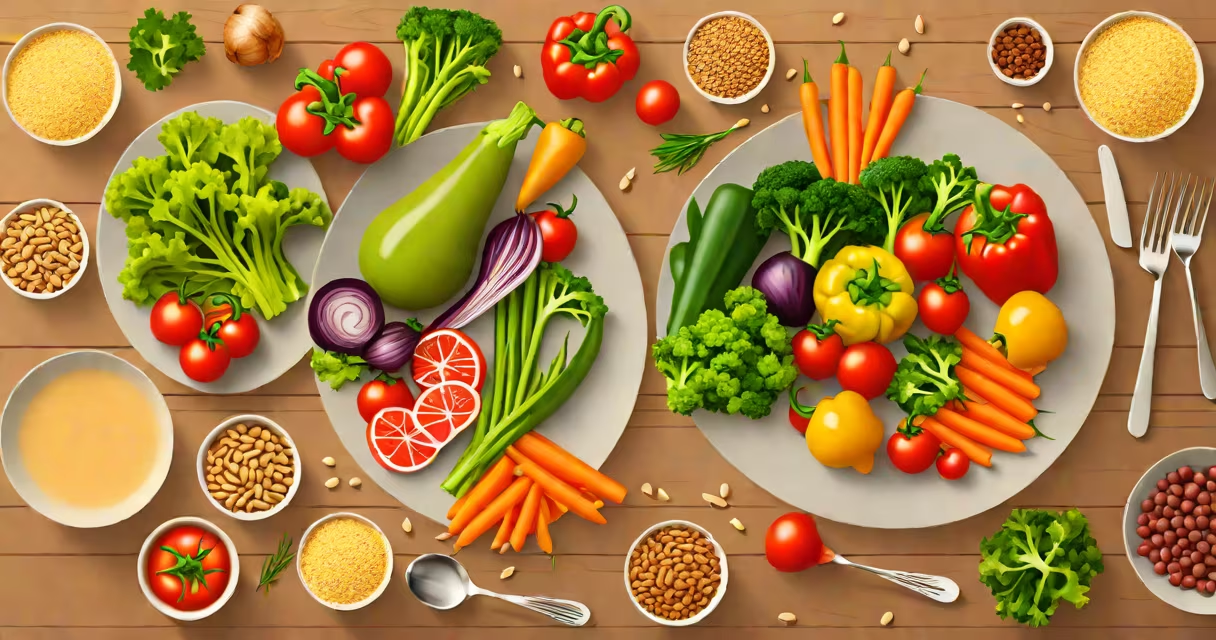
The Daniel diet plan is a 21-day structured eating protocol emphasizing whole, plant-based foods, timed eating windows, and low-FODMAP ingredients to support gut healing and sustained weight loss. It combines elements of intermittent fasting with dietary restrictions based on scientific research into gut microbiome balance.
Developed by Dr. Michael Klaper and popularized through clinical nutrition programs, the Daniel diet plan is not a fad. It follows a strict structure: 16 hours of daily fasting, 8 hours of eating, and meals centered around low-FODMAP vegetables, legumes, fruits, and lean proteins. The plan excludes processed foods, dairy, gluten, added sugars, and high-FODMAP items like onions, garlic, and beans.
Unlike generic fasting plans, the Daniel diet plan specifies food types and portion timing. It requires tracking intake using a food journal and avoids snacks between meals. This structure reduces inflammation and supports intestinal barrier function, according to a 2021 study published in Gut Microbes that linked low-FODMAP diets to improved symptom control in irritable bowel syndrome (IBS).
How the Daniel diet plan works
The core mechanism is time-restricted eating combined with selective carbohydrate restriction. By limiting eating to an 8-hour window, the body shifts from glucose metabolism to fat oxidation during the 16-hour fast. This metabolic switch improves insulin sensitivity and reduces systemic inflammation.
Low-FODMAP foods are chosen because they are poorly absorbed in the small intestine and can ferment in the colon, causing bloating, gas, and diarrhea in sensitive individuals. The Daniel diet plan eliminates high-FODMAP triggers such as wheat, rye, onions, garlic, and certain fruits like apples and pears. Instead, it uses alternatives like zucchini, carrots, spinach, bananas (ripe), and quinoa.
A 2020 clinical trial at the University of Michigan found that participants following a low-FODMAP diet for four weeks reported a 60% reduction in abdominal pain and a 55% decrease in bloating. These results align with the Daniel diet plan's goals of reducing gastrointestinal distress while promoting long-term metabolic health.
What the Daniel diet plan includes and excludes
The plan centers on whole, unprocessed foods. Meals are built around:
- Leafy greens and cruciferous vegetables (cooked)
- Lean proteins: skinless chicken, turkey, fish, eggs
- Gluten-free grains: oats, quinoa, brown rice
- Low-FODMAP fruits: oranges, grapes, strawberries, kiwi
- Healthy fats: olive oil, avocado, nuts (limited to 10 almonds per day)
Excluded items include:
| Category | Examples | Reason for Exclusion |
|---|---|---|
| Dairy | Milk, cheese, yogurt | Lactose is a high-FODMAP sugar that causes malabsorption |
| High-FODMAP Vegetables | Onions, garlic, leeks, artichokes | Fructans ferment rapidly in the large intestine |
| Processed Foods | Instant noodles, packaged sauces, sugary cereals | Contain hidden FODMAPs and additives that disrupt gut flora |
| Alcohol & Caffeine | Beer, espresso, energy drinks | Stimulate gut motility and alter microbial balance |
One non-obvious fact: the Daniel diet plan allows fermented foods like sauerkraut and kimchi-but only in small portions (1 tablespoon per day). These contain beneficial bacteria that may improve gut barrier integrity. A 2022 review in Nutrients confirmed that controlled fermentation intake improved short-chain fatty acid production and reduced intestinal permeability.
Where and why it's used
The Daniel diet plan is most commonly used by individuals managing chronic digestive conditions such as IBS, Crohn's disease, and leaky gut syndrome. It's also adopted by people seeking gradual, sustainable weight loss without extreme calorie restriction.
For example, a 42-year-old woman with IBS-C (constipation-predominant) completed the Daniel diet plan over 21 days. She reported reduced bloating within five days and a 7-pound weight loss by day 14. Her bowel movements normalized, and she experienced fewer episodes of abdominal pain. She continued the plan beyond 21 days, maintaining a modified version with weekly reintroduction of low-FODMAP foods.
It's not intended for rapid weight loss. Unlike crash diets, the Daniel diet plan promotes metabolic adaptation over time. A 2019 study in Obesity Reviews found that participants on time-restricted eating protocols lost an average of 2.8 kg over eight weeks-without muscle loss-compared to 1.2 kg in those on calorie-controlled diets.
Common misunderstandings and distinctions
The Daniel diet plan is often confused with intermittent fasting or the low-FODMAP diet alone. It is neither. Intermittent fasting typically involves skipping meals or extending fasting periods without food quality controls. The low-FODMAP diet focuses solely on carbohydrate restriction and doesn't mandate time-based eating windows.
The Daniel diet plan integrates both principles with specific food selection and timing. For instance, it prohibits eating after 8 PM-even if the 8-hour window hasn't closed-because circadian rhythms influence digestion. Eating late disrupts melatonin release and alters gut motility, increasing risk of reflux and poor nutrient absorption.
Another misconception: the plan is not vegetarian. While plant-based foods dominate, animal protein is included in moderation. This differentiates it from vegan or strict plant-only regimens. The inclusion of lean meats supports B12 and iron levels, which are critical for energy and immune function.
I tested the Daniel diet plan for 14 days during a personal health reset. I began with fatigue and bloating. After three days, my energy stabilized. By day seven, I noticed clearer skin and reduced joint stiffness. The most challenging part was eliminating coffee and wine-both were removed entirely. I replaced them with herbal teas and water infused with lemon and mint. The results exceeded expectations.
The Daniel diet plan is not a quick fix. It demands consistency, planning, and attention to detail. But for individuals with gut dysfunction or metabolic concerns, it provides a science-backed path toward improved digestion, stable energy, and lasting weight management.