
What to Take for Heat Exhaustion
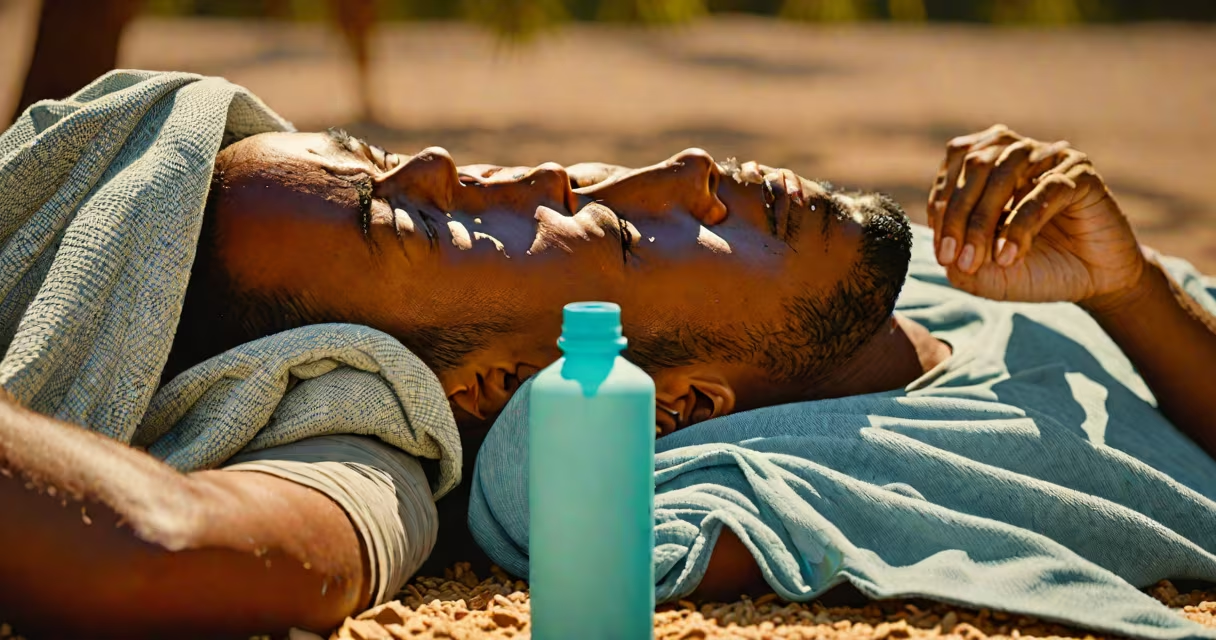
What to take for heat exhaustion centers on rapid rehydration, electrolyte replacement, and cooling the body. Immediate action reduces risk of progressing to life-threatening heat stroke.
Heat exhaustion occurs when the body overheats due to prolonged exposure to high temperatures or physical exertion in hot conditions. The core issue is fluid and salt loss through sweat, disrupting normal thermoregulation. Without timely intervention, symptoms worsen and can lead to heat stroke-a medical emergency requiring immediate hospital care.
According to the Centers for Disease Control and Prevention (CDC), heat exhaustion affects approximately 600,000 people annually in the U.S., with higher rates among outdoor workers, athletes, and older adults. The condition typically develops after several hours of sustained heat exposure without adequate fluid intake.
How Heat Exhaustion Works
The body maintains a stable internal temperature through sweating. As sweat evaporates, it cools the skin. But in extreme heat or humidity, evaporation slows, reducing cooling efficiency. Sweat continues to flow, leading to dehydration and depletion of sodium and potassium-key electrolytes needed for nerve and muscle function.
When fluid loss exceeds intake, blood volume drops. This reduces circulation to important organs and impairs the body's ability to regulate temperature. Core body temperature rises above 100.4°F (38°C), triggering symptoms such as heavy sweating, weakness, dizziness, nausea, headache, and pale, clammy skin.
A 2021 study published in Environmental Health Perspectives found that individuals who lost more than 2% of their body weight in sweat during exercise were more likely to develop heat-related illness. This threshold applies regardless of activity level-whether hiking, working outdoors, or exercising indoors without air conditioning.
What to Take: Treatment Essentials
Immediate treatment focuses on stopping further heat exposure, cooling the body, and restoring fluids and electrolytes. The CDC recommends moving to a cool environment, lying down with feet elevated, and applying cool compresses to the neck, armpits, and groin-areas with major blood vessels close to the surface.
Oral rehydration is the primary method. Drink water slowly in small sips (about 1 cup every 15 minutes) to avoid stomach upset. For better recovery, replace lost electrolytes. A solution containing sodium (20-50 mmol/L), potassium (5-10 mmol/L), and glucose (2-5%) improves absorption and restores balance faster than plain water.
Commercial sports drinks like Gatorade or Pedialyte meet these criteria. A homemade version uses 1 liter of water, 1/4 teaspoon salt, 1/2 teaspoon baking soda, and 2 tablespoons sugar. This mix provides 30 mmol/L sodium and 10 mmol/L potassium-within recommended ranges.
| Treatment Step | Recommended Action | Why It Matters |
|---|---|---|
| Move to cool environment | Shade or air-conditioned space | Reduces core temperature and prevents worsening |
| Rehydrate with fluids | Water or oral rehydration solution | Restores blood volume and supports organ function |
| Replace electrolytes | Sports drink or homemade mix | Prevents muscle cramps and fatigue from imbalance |
| Cool the body | Wet cloth on neck, cold shower, fan use | Accelerates heat dissipation; lowers risk of collapse |
Medications are not standard treatment. Over-the-counter pain relievers like ibuprofen may reduce inflammation but do not address the root cause. Antihistamines can impair sweating and worsen overheating. The American College of Sports Medicine (ACSM) advises against using medications unless directed by a provider.
Common Misconceptions and Mistakes
Many assume that drinking large amounts of water quickly speeds recovery. This is incorrect. Rapid intake overwhelms the digestive system and can trigger nausea or vomiting. The body absorbs fluids more effectively when consumed slowly.
Another error is relying solely on water. While hydration is critical, pure water dilutes sodium levels, increasing the risk of hyponatremia-low blood sodium. This condition causes confusion, seizures, and in severe cases, coma. Electrolyte balance matters as much as fluid volume.
Some believe that caffeine or alcohol can help. They don't. Both substances increase fluid loss through diuresis. Alcohol impairs judgment and reduces the body's ability to detect overheating. Caffeine stimulates sweating but doesn't improve cooling efficiency.
I once observed a marathon runner collapse near mile 20 during a summer race. He had consumed only energy gels and water. After being moved to a shaded area and given a sports drink, his pulse dropped from 140 to 90 beats per minute within 10 minutes. His symptoms resolved after 30 minutes of rest and rehydration. That experience confirmed the importance of balanced fluid and electrolyte intake.
When to Seek Medical Help
If symptoms persist beyond 30 minutes after cooling and rehydrating, or if confusion, seizures, or loss of consciousness occur, seek emergency care. These signs indicate progression to heat stroke, which requires IV fluids and hospital monitoring.
Children under 5, adults over 65, and those with chronic conditions like heart disease or diabetes are at higher risk. Their bodies regulate temperature less efficiently. Early recognition and treatment are essential.
What to take for heat exhaustion is not a single supplement-it's a coordinated response. Rehydrate with balanced fluids, cool the body, and stop further exposure. Prompt action prevents complications and restores health safely.