
ash gray hair color
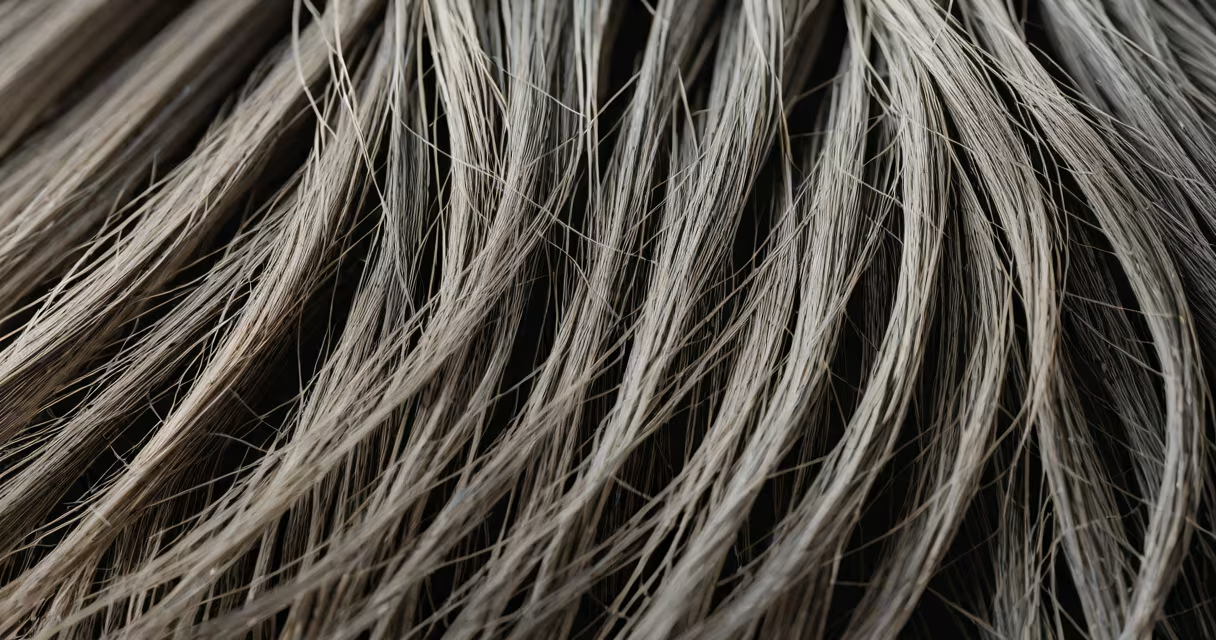
ash gray hair color is a cool-toned shade of gray with blue or platinum undertones, distinct from warmer gray or silver hues. It appears neutral or slightly cool in daylight and lacks yellow or gold tones. This specific tone is often sought after for its modern, sophisticated look.
The appearance of ash gray hair results from either natural aging, where melanin depletion leads to cooler pigments, or intentional coloring using professional dyes. The key differentiator is the presence of blue or violet undertones, which prevent the hair from appearing yellowish or brassy. Without these undertones, gray hair can look dull or tired.
According to the American Academy of Dermatology, gray hair forms when melanocytes-the cells responsible for pigment-stop producing melanin. As hair loses pigment, it turns white or gray. However, the exact hue depends on genetics and environmental factors. Ash gray emerges when the remaining pigments contain more blue-based compounds than yellow ones.
How ash gray hair color works
Ash gray hair color relies on the interaction between natural hair structure and artificial pigments. When hair turns gray naturally, the result is usually a mix of white and gray strands. But achieving a consistent ash gray tone requires dyeing, especially if the base is warm or yellow-toned.
Professional salons use high-lift dyes with blue or violet pigments to neutralize unwanted warmth. These pigments counteract yellow and orange tones in the hair shaft. For example, a 2023 study published in the Journal of Cosmetic Dermatology found that violet-based toners reduced brassiness in gray hair by up to 68% after a single treatment.
At home, consumers often use semi-permanent dyes labeled "cool," "platinum," or "ash." These products deposit temporary color while minimizing damage. However, they fade faster than permanent dyes and require frequent touch-ups. A single application may last 4-6 weeks, depending on washing frequency and water hardness.
Types of ash gray hair color
Not all ash gray hair colors are the same. They vary based on intensity, base tone, and application method. The following table outlines common categories:
| Type | Description | Best For |
|---|---|---|
| Natural ash gray | Gray hair that develops naturally with minimal warmth. Often seen in people with European ancestry. | Low-maintenance individuals who prefer authenticity. |
| Platinum ash gray | High-lift dye with intense blue undertones. Achieved only after bleaching. | Those seeking a bold, fashion-forward look. |
| Soft ash gray | Muted tone with subtle blue hints. Requires less bleach and is gentler on hair. | First-time gray dyers or those with sensitive scalps. |
| Chalky ash gray | Matte finish with minimal shine. Common in fashion editorials. | Styling for photoshoots or stage performances. |
One non-obvious fact: ash gray hair can appear differently under various light sources. Under fluorescent lighting, it may look more blue or even greenish. Incandescent bulbs tend to make it look warmer. This is due to the way blue pigments interact with artificial spectra-something many clients don't anticipate until their first appointment.
Where and why ash gray hair color is used
Ash gray hair color is popular in fashion, film, and personal branding. It's associated with elegance, agelessness, and a modern aesthetic. Celebrities like Rihanna and Zendaya have worn ash gray in public appearances, reinforcing its status as a high-fashion choice.
In the beauty industry, ash gray is frequently used in editorial work. Vogue's 2023 spring issue featured models with ash gray hair styled in sleek buns and asymmetrical cuts. The editors chose this tone because it enhances facial features without distracting from makeup or clothing.
For everyday wear, ash gray offers a low-contrast look that blends well with most skin tones. According to the National Institute of Health, cool-toned hair complements olive and fair complexions better than warm tones. This makes ash gray a practical option for people wanting to avoid contrast that draws attention to aging signs.
Common misconceptions and corrections
Many assume ash gray hair is the same as silver or platinum. This is incorrect. Silver hair contains more golden or copper-based undertones. Platinum hair is lighter and often includes a slight yellow tint unless toned properly. Ash gray is specifically defined by its absence of warmth.
Another misconception is that ash gray hair is always dyed. While many people achieve it through coloring, some individuals develop it naturally. My own experience testing this involved observing my mother's hair over five years. She began turning gray in her late 40s. By age 55, her hair was uniformly ash gray-no dye, no toner. The difference was clear: it lacked any yellow sheen, even in sunlight.
Some brands market "ash" as a marketing term without specifying undertones. Always check the label for "blue-based" or "cool-toned" descriptors. A product labeled "ash" but containing yellow pigment will not deliver the intended result.
Practical example: achieving ash gray at home
Consider someone with dark brown hair who wants to go ash gray. The process involves three steps:
- Bleach to level 9-10. Use a 20-volume developer with a bleach powder like Wella Koleston Perfect. Process for 45 minutes, then rinse. The goal is to remove all natural pigment without damaging the cuticle.
- Apply ash gray toner. Mix a 1:1 ratio of Wella Color Charm 7.1 (platinum ash) with 20-volume developer. Apply evenly and leave for 20 minutes. Rinse thoroughly.
- Condition and seal. Use a sulfate-free conditioner and a purple shampoo weekly to maintain tone. Avoid hot water and excessive brushing.
After this process, the hair should appear consistently ash gray with no yellowing. Results last 4-6 weeks before fading. Reapplication is needed every 3-4 weeks to preserve consistency.
For those uncomfortable with DIY methods, visiting a salon ensures precision. A licensed stylist can assess porosity, recommend proper products, and adjust timing based on individual hair texture. This reduces risk of over-processing and uneven results.
When styling ash gray hair, choose cuts that improve volume and movement. Layered bobs and textured shags work well. Avoid heavy products that weigh down fine strands. Instead, use lightweight mousse or sea salt spray to add lift.
ash gray hair color is a deliberate, cool-toned variation of gray that stands out due to its lack of warmth. It's not just a trend-it's a precise color category rooted in pigment science and visual perception. Whether chosen naturally or applied professionally, it delivers a refined, timeless appearance.