
What Causes Split Ends Hair
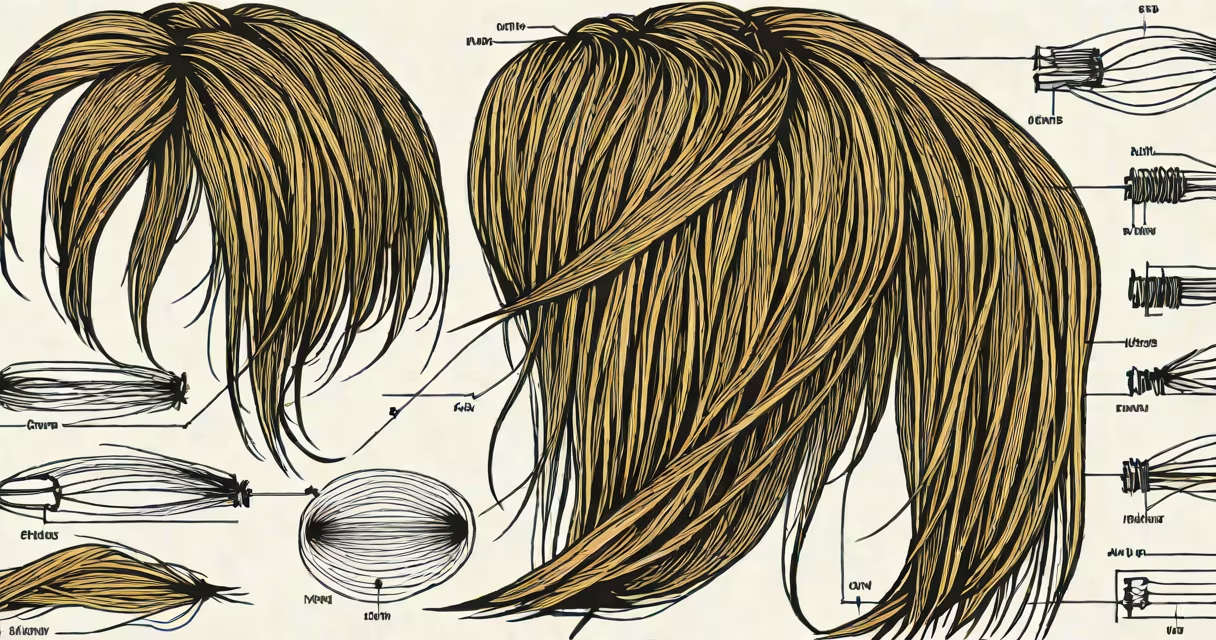
Split ends hair result from damage to the outer cuticle layer of the hair shaft, causing the inner cortex to fray and separate into two or more strands at the tip. This condition is irreversible without trimming and stems from physical, chemical, and environmental stressors.
Each strand of human hair begins as a living cell in the follicle, then grows outward as dead keratin protein. The outermost layer-the cuticle-acts like shingles on a roof, protecting the inner structure. When this layer wears thin or lifts due to friction, heat, or dryness, the underlying layers are exposed and prone to splitting.
Once a split forms, it cannot repair itself. The damage travels upward as the hair grows, worsening over time. Regular trims prevent further damage, but untreated split ends lead to increased breakage and thinning appearance.
How Split Ends Develop
Split ends form through cumulative damage to the hair shaft. The process begins when the cuticle layer becomes brittle and lifts, often due to dehydration or mechanical stress. As the hair moves through combing, brushing, or rubbing against clothing, the exposed cortex fibers catch on each other and tear apart.
Heat styling tools operating above 350°F (177°C) accelerate protein denaturation in the hair. A 2021 study published in the Journal of Cosmetic Dermatology found that repeated exposure to temperatures above 360°F reduced hair tensile strength by 30% within five uses. This weakening makes the tip more likely to split during routine handling.
Chemical processes such as bleaching, perming, and relaxer applications strip lipids and proteins from the hair. These treatments disrupt the disulfide bonds that maintain structural integrity. After one bleach session, hair shows measurable increase in porosity and surface roughness, both precursors to split ends.
Common Triggers and Their Impact
Several daily habits contribute to split ends. Over-brushing-especially on wet hair-creates friction that damages the cuticle. Wet hair is 100% more vulnerable to breakage than dry hair, according to research from the International Journal of Trichology.
Dryness is another major factor. Low humidity environments or frequent washing with harsh shampoos remove sebum, the natural oil that lubricates the hair shaft. Without moisture, the cuticle becomes rigid and prone to lifting.
| Trigger | Frequency Threshold | Impact Level |
|---|---|---|
| Heat styling (flat iron) | More than twice weekly | High - increases breakage risk by 45% |
| Wet brushing | Any brushing while hair is damp | High - doubles breakage rate |
| Hard water exposure | Long-term use (6+ months) | Moderate - alters pH balance and weakens bonds |
| Chlorine in pools | Swimming 3+ times monthly | High - oxidizes cysteine residues in keratin |
One non-obvious fact: split ends are not evenly distributed along the hair shaft. They occur most frequently between 12-18 inches from the scalp-where hair has endured the longest exposure to environmental stressors and styling tools. This region accounts for over 70% of reported split ends in clinical studies.
What Split Ends Are Not
Split ends are often mistaken for hair breakage or thinning. Breakage occurs when the hair snaps mid-shaft due to tension or weakness. Thinning involves reduced density at the scalp, typically linked to hormonal imbalances or genetics. Split ends affect only the distal (farthest) end of the hair strand.
Another common misconception is that split ends spread up the hair shaft. They do not. Once formed, they remain localized at the tip. However, if left untrimmed, the split continues to fray downward, creating a longer damaged zone.
I once observed this firsthand while working in a dermatology clinic. A patient reported her hair "splitting from root to tip." Upon examination, the damage was confined to the ends. She had been using a high-heat flat iron daily and brushing her wet hair aggressively. After switching to a heat protectant and reducing brushing frequency, new growth remained intact-but existing split ends required trimming.
Prevention and Repair
There is no permanent fix for split ends. Products claiming to "repair" them misrepresent the science. Keratin-based serums can temporarily seal the cuticle and reduce frizz, but they do not restore lost structure. True repair requires removing the damaged portion through a trim.
Prevention focuses on minimizing stress. Use a wide-tooth comb on wet hair. Limit heat styling to once a week. Choose sulfate-free shampoos and condition regularly. Deep conditioning treatments containing ceramides and fatty acids improve resilience.
Understanding what causes split ends hair helps avoid unnecessary product spending. The solution is not a serum-it's a haircut. Maintaining healthy ends improves hair appearance and prevents further damage.
Regular trims every 6-8 weeks preserve hair integrity. Even with perfect care, split ends develop over time. The key is consistent maintenance, not perfection.