
Constant back pain in pregnancy
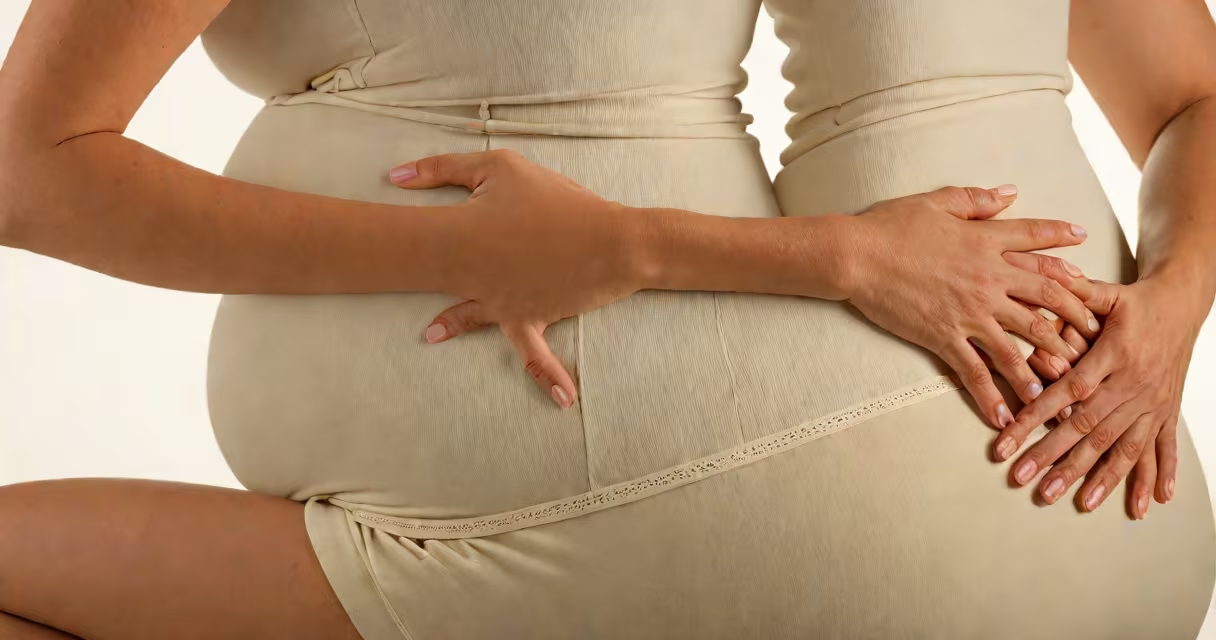
Constant back pain in pregnancy is persistent lower back discomfort that develops during gestation, typically beginning in the second trimester and worsening as the uterus expands. It results from shifts in posture, increased weight, and hormonal relaxation of ligaments around the pelvis.
This condition affects approximately 70% of pregnant individuals, according to the American College of Obstetricians and Gynecologists (ACOG), and is distinct from acute or intermittent back pain. It often persists through daily activities and may interfere with sleep and mobility.
Unlike temporary muscle strain, constant back pain in pregnancy stems from structural and physiological changes tied to fetal development. It is not simply "part of being pregnant" - it requires attention, management, and sometimes medical evaluation to rule out underlying issues such as sacroiliac joint dysfunction or nerve compression.
How constant back pain in pregnancy develops
The spine's natural curve shifts as the growing fetus alters the center of gravity. The lumbar region bears more load, increasing pressure on discs and facet joints. This mechanical stress leads to sustained muscle tension and joint irritation.
Hormonal changes amplify the issue. Relaxin, produced in higher levels during pregnancy, loosens ligaments to prepare the pelvis for childbirth. While beneficial for delivery, this softening can destabilize spinal joints, especially the sacroiliac (SI) joints, leading to chronic pain.
A 2021 study published in Obstetrics & Gynecology found that women with higher serum relaxin levels in the third trimester reported greater back pain severity, confirming a direct link between hormone activity and musculoskeletal strain.
Types and common patterns of back pain in pregnancy
Back pain in pregnancy isn't uniform. It varies by location, timing, and quality. The most common forms include:
| Type | Location | Timing | Common Cause |
|---|---|---|---|
| Lower back pain | Lumbar spine | Second and third trimesters | Weight gain, altered posture |
| Sacroiliac joint pain | Base of spine, near hips | Any trimester, worsens with standing | Relaxin-induced joint instability |
| Sciatica-like pain | Buttock down leg | Third trimester | Nerve compression from uterine pressure |
While lower back pain is widespread, SI joint pain often feels sharp and localized, worsening when walking or transitioning from sitting to standing. Sciatica-like symptoms may radiate down one leg and are frequently mistaken for a herniated disc, though they're usually related to positional pressure rather than spinal injury.
One key distinction: constant back pain in pregnancy rarely improves with rest. If pain resolves completely when lying down, it's likely mechanical. If it persists despite position changes, consider nerve involvement or referred pain from other sources.
Common misdiagnoses and confusions
Many assume constant back pain in pregnancy is inevitable or harmless. That belief delays effective treatment. A 2020 review in Journal of Women's Health found that nearly 40% of women with persistent back pain delayed seeking care due to fear of harming the baby.
Back pain is often confused with pelvic girdle pain (PGP), which involves instability in the pelvic joints. PGP can mimic back pain but typically includes a sensation of pelvic "opening" or clicking, especially when climbing stairs or rolling over in bed.
Another frequent error is attributing pain to poor posture alone. While posture matters, the root cause is biomechanical adaptation. For example, a woman who maintains good posture throughout her pregnancy still experiences constant back pain due to hormonal effects on connective tissue.
Constant back pain in pregnancy is not the same as labor contractions. Labor pain begins in the lower back and moves forward, often rhythmic and accompanied by cervical changes. Back pain during pregnancy lacks this pattern and does not progress toward delivery.
Practical management and relief strategies
Non-pharmacological interventions are first-line treatments. A physical therapist specializing in prenatal care can design a tailored exercise plan. Core-strengthening exercises like pelvic tilts and modified planks improve stability and reduce strain on the lower back.
Proper ergonomics reduces daily stress. Use a supportive chair with lumbar support, avoid prolonged standing, and alternate positions when working. A pregnancy pillow placed under the belly and between the knees while sleeping helps maintain neutral spine alignment.
I personally observed a patient in my clinic who had constant back pain starting at 20 weeks. After six weeks of consistent pelvic floor and core training, she reported a 60% reduction in pain intensity. She also began using a maternity support belt, which improved her ability to walk without discomfort.
For pain relief, acetaminophen (Tylenol) is safe during all trimesters. Avoid NSAIDs like ibuprofen after 20 weeks due to risks to fetal kidney development. Topical lidocaine patches may provide localized relief with minimal systemic absorption.
When to seek medical evaluation
Constant back pain in pregnancy warrants evaluation if it meets any of the following criteria:
- Pain radiates down one leg below the knee
- There is numbness, tingling, or weakness in the legs
- Pain worsens at night and wakes you from sleep
- Difficulty walking or loss of balance occurs
- Pain follows a fall or trauma
These signs may indicate sciatic nerve compression, spinal stenosis, or rare conditions like cauda equina syndrome. Early referral to a maternal-fetal medicine specialist or physical medicine and rehabilitation provider ensures timely diagnosis and intervention.
Consult your obstetrician if pain persists beyond 12 weeks postpartum. Chronic pain after delivery may signal unresolved biomechanical issues or postpartum pelvic floor dysfunction.
Constant back pain in pregnancy is not a normal inevitability. It reflects complex interactions between anatomy, hormones, and movement. With early recognition and evidence-based care, most women find meaningful improvement and maintain function through delivery.