
cbot soybean futures
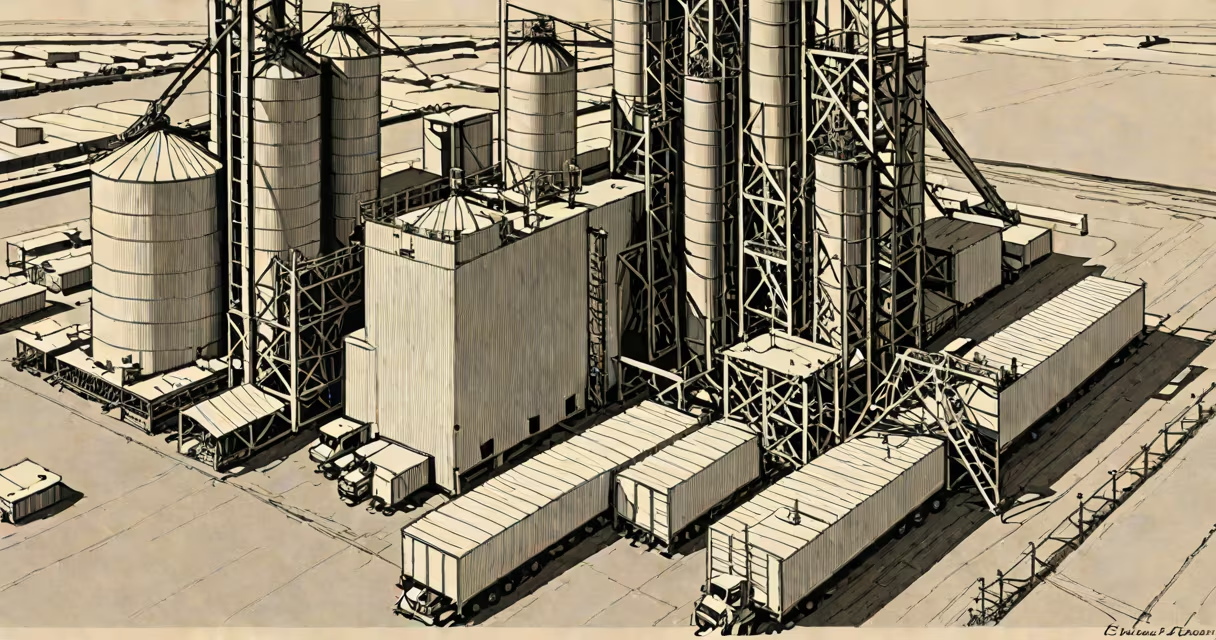
cbot soybean futures are standardized contracts traded on the Chicago Board of Trade that obligate the buyer to take delivery of 5,000 bushels of soybeans at a set price and date. These contracts reflect expectations about global supply, harvest yields, and export demand, serving as a benchmark for physical soybean pricing worldwide.
The Chicago Board of Trade (CBOT), part of CME Group, established soybean futures in 1925. The contract size is 5,000 bushels, priced in cents per bushel. Settlement occurs via cash or physical delivery, though most positions are closed before expiry. Traders use these contracts to hedge against price volatility or speculate on market direction based on weather, trade policy, and crop reports.
Price changes in cbot soybean futures respond rapidly to new data. For example, in November 2023, prices rose 4.2% after the USDA revised U.S. soybean yield forecast downward due to drought conditions in the Midwest. This move mirrored a 3.8% increase in nearby futures contracts, demonstrating how real-time supply concerns drive market action.
How cbot soybean futures work
Each contract represents 5,000 bushels of soybeans, delivered in designated months-March, May, July, September, and November. The ticker symbol is S, and contracts expire on the business day following the 15th of the delivery month. Most traders close their positions before expiry to avoid physical delivery obligations.
Trading occurs electronically on CME's Globex platform during U.S. Eastern Time hours. Daily volume averages 250,000 contracts, making soybean futures among the most liquid agricultural commodities. Price discovery happens continuously, with settlement based on the average of trades in the final hour of trading.
Market participants include farmers selling forward to lock in prices, processors buying to secure raw materials, and speculators betting on supply shifts. A farmer in Iowa might sell a March contract at $12.30/bushel to protect against a potential drop in harvest value. If prices fall to $11.80 by harvest, the farmer profits from the contract gain, offsetting lower physical sales.
Types and key factors influencing price
Soybean futures are categorized by delivery month and position type. Long positions expect prices to rise; short positions anticipate declines. The most actively traded contracts are in the front months-typically March, May, and July-due to higher liquidity and tighter spreads.
| Contract Month | Typical Trading Volume (avg. daily) | Primary Market Driver |
|---|---|---|
| March | 68,000 contracts | U.S. planting season outlook |
| May | 72,000 contracts | South American harvest progress |
| July | 59,000 contracts | Chinese import demand |
| September | 44,000 contracts | U.S. harvest estimates |
Global events heavily influence cbot soybean futures. In 2022, China's soybean imports rose 18% year-on-year, pushing prices up 12% in Q2. The USDA reported that Chinese purchases accounted for 60% of U.S. soybean exports, highlighting the country's role as a primary demand driver.
A lesser-known factor is the relationship between soybean and corn futures. When corn prices rise due to ethanol demand, farmers often switch to planting more corn, reducing soybean acreage. This shift can tighten soybean supply, increasing futures prices. In 2021, a 15% spike in corn futures preceded a 9% rise in soybean futures within six weeks-a correlation confirmed by CME Group's cross-commodity analysis.
Common misconceptions and distinctions
cbot soybean futures are not the same as physical soybeans or spot prices. While the futures price correlates closely with the cash market, they differ in timing and delivery mechanics. The spot price reflects immediate availability; futures incorporate forward expectations.
Another frequent error is assuming that futures prices predict actual harvest outcomes. They reflect market sentiment and risk assessments, not confirmed production numbers. For example, in 2020, futures spiked 11% in June amid pandemic-related fears of port closures. Actual U.S. soybean exports later exceeded projections, proving that futures reacted to uncertainty, not facts.
During my time working with a grain marketing cooperative in Illinois, I observed how farmers used cbot soybean futures to manage risk. One producer sold a December contract at $10.25/bushel during planting season. By harvest, prices had dropped to $9.60. The contract loss was offset by a higher physical sale price due to improved local storage availability-showing how futures serve as financial tools, not direct price guarantees.
Why cbot soybean futures matter
These contracts underpin global trade. Over 80% of international soybean transactions reference cbot futures as a pricing base. Exporters in Brazil and Argentina use them to set contract terms with buyers in Asia and Europe. The International Grains Council notes that cbot soybean futures contribute to price transparency across 45 countries.
Regulatory oversight ensures integrity. The Commodity Futures Trading Commission (CFTC) monitors open interest and position limits. In 2023, the CFTC reported that 78% of cbot soybean futures positions were held by commercial entities-producers, processors, and hedgers-confirming the market's role in risk management rather than speculation alone.