
What to do for afib
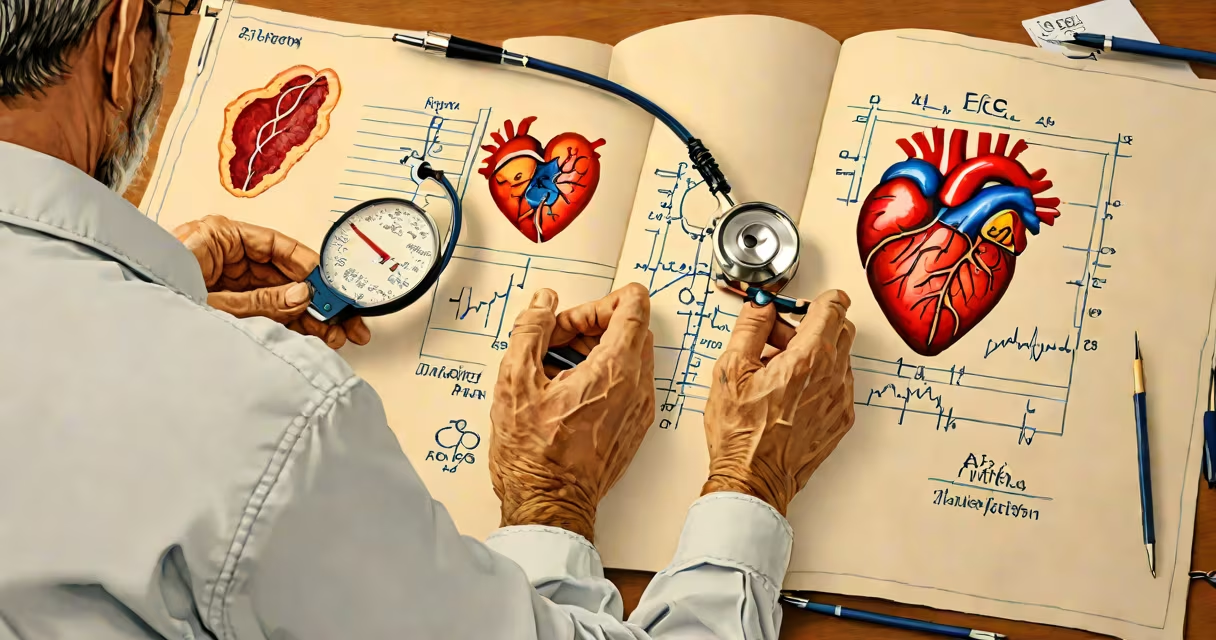
Atrial fibrillation (afib) requires coordinated medical care focused on controlling heart rate, preventing blood clots, and managing underlying causes. Immediate steps include consulting a cardiologist, taking prescribed anticoagulants, and adopting heart-healthy habits to reduce stroke risk.
When the heart's electrical system malfunctions, it triggers rapid, irregular contractions in the atria-the upper chambers. This disrupts normal blood flow, increasing the chance of clot formation. Without intervention, clots can travel to the brain, causing a stroke. The American Heart Association reports that people with afib have a fivefold higher stroke risk compared to those without it.
Not all afib episodes require emergency care. Some individuals experience brief, self-resolving episodes known as paroxysmal afib. Others develop persistent forms lasting longer than seven days. The severity and frequency dictate whether treatment includes medications, procedures like ablation, or surgical options. Early diagnosis and consistent follow-up improve outcomes.
How afib treatment works
Treatment targets three goals: prevent strokes, control heart rate, and restore normal rhythm when safe and effective. Anticoagulant drugs such as apixaban (Eliquis) or rivaroxaban (Xarelto) reduce clot formation by inhibiting clotting factors. These are prescribed based on individual stroke risk scores like CHA2DS2-VASc, which considers age, sex, history of stroke, heart failure, diabetes, and vascular disease.
Rate control uses beta-blockers (e.g., metoprolol), calcium channel blockers (e.g., diltiazem), or digoxin to slow the ventricular response. This prevents symptoms like palpitations and fatigue. Rhythm control may involve antiarrhythmic drugs such as flecainide or amiodarone, though these carry risks including proarrhythmia and require close monitoring.
For patients who don't respond to medication, catheter ablation is an option. A thin wire is threaded through a vein to the heart, where radiofrequency energy destroys small areas of tissue causing abnormal signals. Success rates exceed 70% in selected patients, according to the National Institutes of Health.
Types of interventions and their roles
Interventions fall into three categories: pharmacological, procedural, and lifestyle. Medications address immediate risks. Procedures offer long-term solutions. Lifestyle changes reduce strain on the heart and lower recurrence rates.
| Intervention Type | Examples | Primary Purpose | Typical Use Case |
|---|---|---|---|
| Anticoagulants | Apixaban, warfarin, dabigatran | Prevent stroke by stopping clots | Patients with CHA2DS2-VASc score ≥2 |
| Rate-control drugs | Metoprolol, diltiazem | Slow heart rate below 110 bpm at rest | Chronic afib with symptoms |
| Rhythm-control drugs | Flecainide, sotalol | Restore sinus rhythm | Paroxysmal afib with good heart function |
| Catheter ablation | Radiofrequency or cryoablation | Eliminate abnormal electrical pathways | Recurrent symptomatic afib despite meds |
One common misconception is that afib always requires medication. Not true. Some patients with asymptomatic or infrequent episodes may not need drugs if their stroke risk is low. The decision hinges on clinical assessment, not symptom severity alone.
Where and why afib is managed differently
Management varies by patient profile. Age, comorbidities, and personal preferences shape decisions. A 65-year-old with hypertension and prior stroke will likely receive anticoagulation. A 40-year-old with no risk factors and occasional palpitations may be monitored without drugs.
Emergency settings prioritize rhythm stabilization. In the ER, a patient with afib and chest pain may undergo synchronized cardioversion-a controlled electric shock to reset the heart. This is reserved for hemodynamically unstable cases. For stable patients, rate control begins first.
I once observed a 72-year-old man brought to the ER with dizziness and a pulse of 160 beats per minute. His ECG confirmed afib. After intravenous diltiazem reduced his rate to 80, he was admitted for further evaluation. He had no history of stroke but did have diabetes and high blood pressure. His CHA2DS2-VASc score was 3, so anticoagulation was initiated. He later underwent successful ablation and remains free of symptoms after 18 months.
Common confusions and corrections
Many assume afib is just "an irregular heartbeat." While accurate, this oversimplifies the danger. Irregular rhythms increase stroke risk even when asymptomatic. The U.S. Preventive Services Task Force states that screening for afib in adults aged 65-75 using pulse checks or ECGs improves early detection and reduces stroke incidence.
Another myth is that afib can be cured by diet alone. No food eliminates the condition. However, reducing sodium intake, limiting alcohol, and maintaining a healthy weight support cardiac health. The DASH diet (Dietary Approaches to Stop Hypertension) lowers blood pressure and indirectly benefits afib control.
Some patients stop anticoagulants due to fear of bleeding. But discontinuing them increases stroke risk more than the bleeding risk. A 2021 study in JAMA Internal Medicine found that patients who stopped warfarin had a 3.5-fold higher stroke rate within six months. The benefit of stroke prevention outweighs the bleeding risk in most cases.
Concrete steps to take
Start with a visit to a cardiologist or primary care provider. They'll perform an ECG, possibly a Holter monitor (24-hour recording), or event recorder to confirm afib. Blood tests check thyroid function-hyperthyroidism mimics afib symptoms.
Next, calculate your stroke risk using the CHA2DS2-VASc score. Score ≥2 warrants anticoagulation. If you're on warfarin, regular INR testing ensures therapeutic levels. Newer agents like apixaban require no routine monitoring.
Adopt daily habits: limit alcohol to one drink per day (women) or two (men), avoid caffeine if it triggers palpitations, quit smoking, and maintain a BMI under 25. Exercise 30 minutes most days-walking, swimming, cycling. Avoid intense exertion during afib episodes.
Track symptoms using a diary. Note episode timing, duration, triggers (stress, meals, sleep deprivation), and symptoms like shortness of breath or fatigue. Share this with your doctor to guide treatment.
Long-term success depends on consistency. Missing doses of anticoagulants or skipping follow-ups increases complications. Regular visits ensure medication adjustments and detect new issues early.
Understanding what to do for afib means acting promptly, following medical advice, and staying engaged in care. The goal isn't just symptom relief-it's preventing stroke, preserving heart function, and extending quality life.