
Classic Tuna Melt Sandwich Recipe
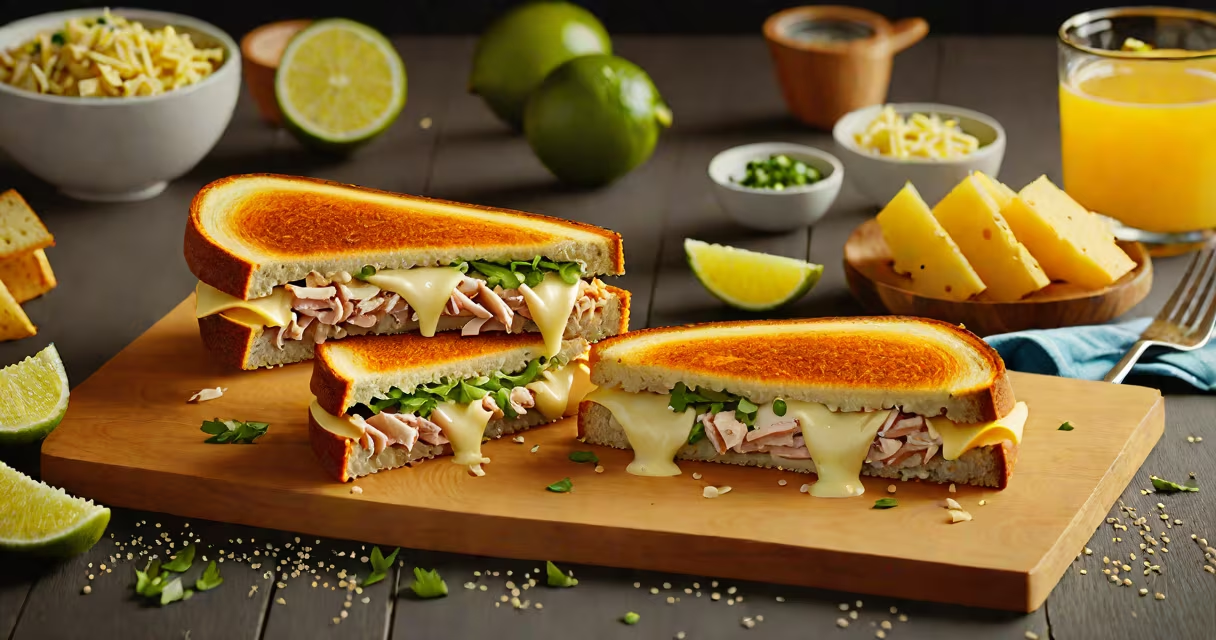
The classic tuna melt sandwich recipe is a grilled sandwich made with canned tuna mixed with mayonnaise, mustard, and celery, layered between buttered slices of bread, topped with cheese, then toasted until golden and crispy on the outside, with molten cheese inside.
This dish originated in American diners during the mid-20th century, evolving from the standard tuna salad sandwich. Its popularity surged due to the availability of canned tuna and processed cheese, both staples in post-war American kitchens. The addition of grilling transforms the texture and flavor, creating a warm, hearty meal ideal for lunch or a light dinner.
For authenticity, use high-quality ingredients: solid-pack tuna in water (not oil), Dijon mustard, finely diced celery, and sharp cheddar or American cheese. Toasting the bread in a skillet or panini press ensures even browning and a satisfying crunch.
How It Works
The sandwich relies on heat transfer through direct contact with a hot surface. As the bread heats, moisture evaporates from the surface, triggering Maillard reactions that create complex flavors and browned crusts. Simultaneously, the cheese melts under the heat, binding the layers together and adding richness.
Inside, the tuna mixture cools slightly upon contact with the hot bread, preventing the tuna from cooking. This temperature differential keeps the filling intact while allowing the exterior to crisp. The result is a sandwich with contrast: crunchy outer shell, soft interior, and gooey center.
A common mistake is using too much mayonnaise, which makes the filling greasy and causes the sandwich to collapse. Stick to 2-3 tablespoons per 12-ounce can of tuna. For balance, add a pinch of black pepper and lemon juice to brighten the flavor.
Key Ingredients and Variations
Standard components include:
- Canned tuna (12 oz, drained)
- Mayonnaise (2-3 tbsp)
- Dijon mustard (1 tsp)
- Celery (¼ cup, finely chopped)
- Cheddar or American cheese (2-3 slices)
- Bread (2 slices, sourdough or white)
- Butter (1 tbsp, softened)
Common substitutions include:
- Using Greek yogurt instead of mayonnaise for lower fat
- Adding red onion or pickles for tang
- Using Swiss or mozzarella for different melt profiles
- Grilling with bacon bits for a smoky twist
For a healthier version, swap white bread for whole grain or sourdough. A single slice of cheese is enough for a lighter option. Some versions skip the butter and use olive oil spray for a crisp finish.
Types and Common Confusions
While the term "tuna melt" often implies a grilled sandwich, it's sometimes confused with the "tuna melt wrap" or "open-faced tuna melt." The latter lacks a top slice and features a thick layer of filling and cheese, baked or broiled until bubbly.
Another confusion arises with the "tuna melt on toast," which uses a single slice of bread and is typically eaten with a fork. This version is more common in British cuisine and differs in structure and serving method.
Table: Comparison of Tuna Melt Types
| Type | Base | Cheese | Grilling Method | Typical Serving |
|---|---|---|---|---|
| Classic Tuna Melt | Two slices, buttered | 2-3 slices, melted | Skillet or panini press | On plate, cut in half |
| Open-Faced Tuna Melt | Single slice, buttered | Thick layer, broiled | Broiler or oven | On a small plate, eaten with knife and fork |
| Tuna Melt Wrap | Whole wheat tortilla | Shredded, melted | Grill or pan | Handheld, no utensils |
One non-obvious detail: the type of cheese affects browning. American cheese melts smoothly and browns evenly, while cheddar can form a crusty skin. For consistent results, use a blend of 50% American and 50% sharp cheddar.
Where and Why It's Used
The classic tuna melt sandwich recipe is a staple in American home kitchens, school cafeterias, and diner menus. It's favored for its low prep time (under 15 minutes), minimal ingredients, and high satisfaction factor. It fits well in lunch boxes, potlucks, and family dinners.
According to the USDA Food Surveys Research Group, canned tuna is among the most frequently consumed proteins in U.S. households, with 47% of surveyed families reporting consumption at least once a week. This accessibility supports the sandwich's widespread use.
At home, I once made this for a friend who was recovering from a cold. I used leftover tuna, added a splash of lemon juice, and grilled it on sourdough. She ate two halves and said it reminded her of childhood lunches. That moment confirmed the emotional weight this simple dish holds.
Step-by-Step Example
Make a classic tuna melt sandwich with this process:
- Drain 12 oz of solid-pack tuna in water. Flake with a fork.
- Mix in 2 tbsp mayonnaise, 1 tsp Dijon mustard, ¼ cup finely chopped celery, and a pinch of black pepper.
- Spread ½ tbsp softened butter on both sides of two slices of white bread.
- Place 2 slices of cheddar cheese on one side of each bread slice.
- Layer the tuna mixture evenly on the buttered side of one slice.
- Top with the second bread slice, buttered side out.
- Heat a skillet over medium-low. Place the sandwich in and cook 3-4 minutes per side, pressing gently with a spatula.
- Remove when golden brown and cheese is fully melted.
- Let rest 1 minute before slicing.
Serve with a side of potato chips or a simple green salad. Total time: 12 minutes.
For a variation, try adding a thin layer of tomato slices before grilling. The acidity balances the richness. Or use a mix of tuna and mashed avocado for a creamy, healthy alternative.
When making multiple sandwiches, keep them warm in a 200°F oven for up to 15 minutes without drying out. Avoid microwaving, which ruins the crisp texture.