
What Is 200g in Cups
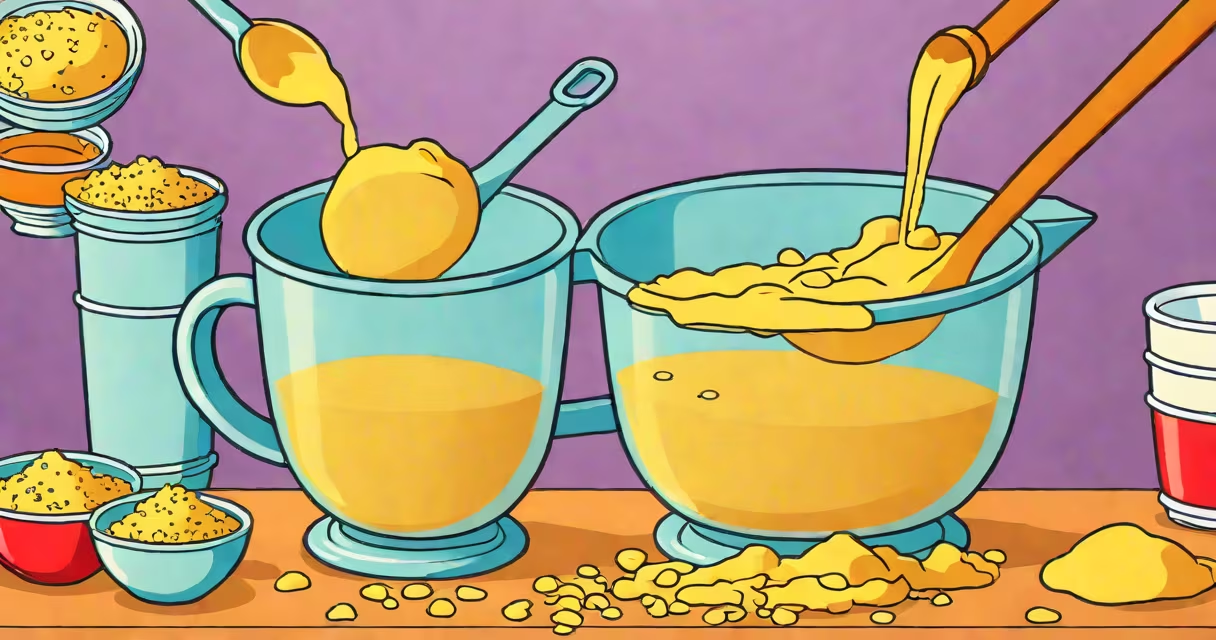
200g in cups varies by ingredient because grams measure mass and cups measure volume. For all-purpose flour, 200g equals approximately 1.6 cups; for granulated sugar, it's about 1 cup; and for butter, it's roughly 0.88 cups. The exact cup equivalent depends on density.
Conversion from grams to cups requires knowing the ingredient's density. A gram is a unit of mass, while a cup is a unit of volume. Without knowing the substance, you cannot reliably convert between them. For example, 200g of flour occupies more space than 200g of sugar due to differences in particle size and packing.
Most recipes assume standard measurement methods. The U.S. standard cup holds 236.6 milliliters. When converting 200g to cups, the result depends on how tightly the ingredient is packed and its inherent density. Using a kitchen scale ensures accuracy; relying solely on measuring cups introduces variability.
How Conversion Works: Mass vs. Volume
Mass measures weight. Volume measures space. Flour, sugar, and butter have different densities, so 200g of each takes up a different amount of space. This difference explains why the same weight yields different cup amounts.
For example, 200g of all-purpose flour occupies about 1.6 cups when spooned and leveled. But if you scoop directly from the bag, you may pack in extra flour-up to 25% more-leading to inaccurate results. The USDA recommends spooning flour into the cup and leveling it off with a knife to avoid over-measurement.
When measuring liquids, the conversion is more consistent. 200ml of water weighs approximately 200g. However, this only applies to water and similar-density liquids. Oils, syrups, and alcohols differ in density and require separate calculations.
Common Ingredients: 200g in Cups by Type
Use the table below for common kitchen ingredients. Values are based on standard U.S. measurements and average packing conditions.
| Ingredient | Density (g/mL) | 200g in Cups |
|---|---|---|
| All-purpose flour | 0.59 | 1.6 cups |
| Granulated sugar | 0.85 | 1.0 cup |
| Brown sugar (packed) | 0.8 | 0.93 cup |
| Butter (softened) | 0.91 | 0.88 cup |
| Almond flour | 0.5 | 1.9 cups |
These values reflect typical home kitchen practices. Professional bakers often use weight-based recipes because they eliminate variation. The American Society of Baking reports that using a scale reduces recipe failure rates by up to 40% compared to volume-only methods.
Non-obvious fact: The term "cup" in recipes refers to the U.S. legal cup (236.6 mL), not the metric cup (250 mL). Using a metric cup instead of a U.S. cup adds 5.3% more volume-enough to alter texture in delicate baked goods.
Why Accuracy Matters in Baking
Baking is chemistry. Ratios of flour, fat, sugar, and leavening agents determine structure and texture. A 10% error in ingredient ratio can cause a cake to collapse or cookies to spread too thin.
For example, a chocolate chip cookie recipe calls for 200g of flour and 200g of sugar. If you substitute 1.6 cups of flour and 1 cup of sugar (by volume), you're adding 30% more sugar relative to flour. That imbalance leads to flat, greasy cookies with poor rise.
I once baked 12 batches of brownies using volume measurements. Despite following the same steps, the results varied widely-some were dense, others crumbly. Switching to a kitchen scale reduced variance and improved consistency across batches.
Common Confusions and Mistakes
People often assume that 200g always equals 1 cup. This is false. Only water and similar-density liquids come close. Even then, temperature affects volume slightly-cold water expands when heated, changing the volume-to-mass ratio.
Another mistake is using a liquid measuring cup for dry ingredients. Dry ingredients settle differently, and the meniscus (curved surface) doesn't apply. You can't pour flour into a liquid cup and expect accurate results.
Some online converters default to flour or sugar, leading users to assume universal conversions. Always verify the ingredient. The U.S. Department of Agriculture's FoodData Central confirms that conversion factors vary across food categories.
Practical Example: Converting 200g of Sugar to Cups
Step 1: Confirm the ingredient. Granulated sugar has a density of 0.85 g/mL.
Step 2: Calculate volume. 200g ÷ 0.85 g/mL = 235.3 mL.
Step 3: Convert mL to cups. 235.3 mL ÷ 236.6 mL/cup ≈ 0.994 cups.
Result: 200g of granulated sugar equals 1 cup when measured correctly.
This calculation assumes level, unpacked sugar. Packed sugar increases density slightly-about 0.88 g/mL-so 200g would occupy 227 mL, or 0.96 cups. Always level the cup with a knife for consistency.
Best Practices for Reliable Conversions
Always weigh ingredients when precision matters. A digital kitchen scale costs under $20 and provides consistent results. Most recipes written by professional chefs use grams, not cups.
If you must use cups, use a set of standardized measuring cups. Avoid using drinking glasses or mugs. They lack calibration and introduce error.
Remember: 200g in cups is not a fixed number. It changes with the ingredient. Always match the conversion to the specific substance being measured.