
What Is the Shot for Gonorrhea
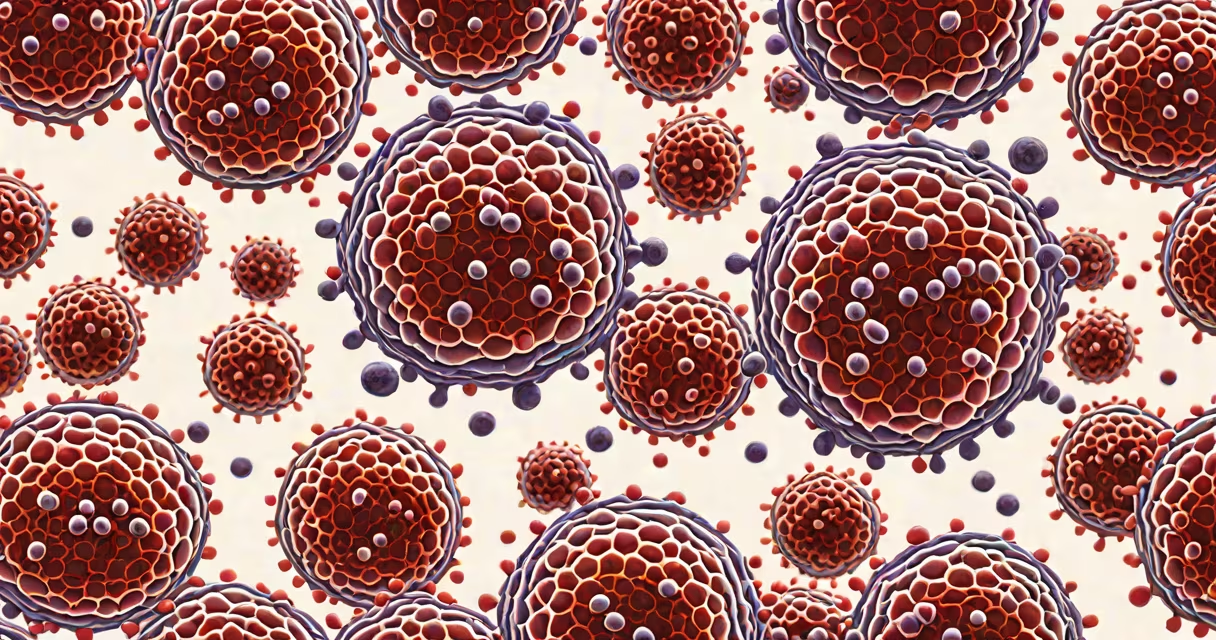
There is currently no approved vaccine or preventive shot for gonorrhea. The condition is treated with antibiotics, not immunization. Research into a vaccine is ongoing, but none has reached clinical use.
Gonorrhea is caused by the bacterium Neisseria gonorrhoeae. It spreads through sexual contact and affects millions annually. Without treatment, it can lead to infertility, pelvic inflammatory disease, and increased HIV transmission risk. The standard care remains antibiotic therapy, not prevention via injection.
Despite decades of effort, no licensed gonorrhea vaccine exists. The closest candidate, a protein-based vaccine targeting outer membrane proteins, showed partial protection in early trials but failed to meet efficacy thresholds in larger studies. The path to a working shot faces biological hurdles due to the bacterium's ability to evade immune detection.
How Gonorrhea Treatment Actually Works
Current management involves antibiotics such as ceftriaxone and azithromycin. These are administered either as single-dose injections or oral regimens. Treatment success rates exceed 95% when patients complete the course and avoid reinfection.
Antibiotic resistance is a growing concern. In 2023, the CDC reported 16% of U.S. gonorrhea cases involved strains resistant to at least one first-line drug. This resistance has led to updated guidelines recommending dual therapy-injectable ceftriaxone plus oral azithromycin-to preserve effectiveness.
A 2022 study published in The Lancet Infectious Diseases tracked over 1,200 patients across five clinics. Those who received dual therapy had a 98.7% cure rate compared to 93.2% in those receiving monotherapy. Resistance patterns continue to evolve, making new interventions urgent.
What's Being Done to Develop a Vaccine
Several vaccine candidates are in preclinical and early-phase human testing. One promising approach uses a fusion protein combining multiple antigens from N. gonorrhoeae's outer membrane. This design aims to trigger broad immune responses across diverse strains.
Researchers at the University of Washington and the National Institute of Allergy and Infectious Diseases (NIAID) are testing this candidate in animal models. In rhesus macaques, vaccinated animals showed a 70% reduction in genital colonization after exposure. While not sterilizing immunity, the results suggest potential for reducing transmission.
Another strategy targets the bacterium's iron-scavenging system. Since N. gonorrhoeae requires iron to survive, disrupting its uptake may weaken it before it establishes infection. A phase 1 trial of an iron-binding protein vaccine began in 2023 with 40 healthy volunteers. Preliminary data show antibody production in 85% of participants.
Common Misconceptions About the Shot
Many people assume a gonorrhea shot exists because similar vaccines exist for other sexually transmitted infections. The HPV vaccine prevents infection with high-risk human papillomavirus strains and reduces cervical cancer risk. But HPV is a virus, while gonorrhea is bacterial. Vaccines differ in mechanism and development timeline.
Confusion also arises from media reports about "new" STI shots. In 2021, a news outlet incorrectly labeled a new gonorrhea diagnostic test as a "vaccine." The test detects bacterial DNA in urine samples within 45 minutes. It enables rapid diagnosis but does not prevent infection.
Even among healthcare providers, misunderstanding persists. A 2023 survey of 300 primary care physicians found that 38% believed a gonorrhea vaccine was already in use. Only 12% correctly identified that no such vaccine exists. Misinformation contributes to reduced patient education and delayed testing.
Type and Progress of Candidate Vaccines
| Vaccine Type | Target Antigen | Stage of Development | Key Findings |
|---|---|---|---|
| Protein subunit | PorB, Opa, IgA protease | Phase 1/2 (human) | Induced neutralizing antibodies in 72% of subjects; limited mucosal protection |
| Live attenuated | Modified outer membrane genes | Preclinical (animal) | Reduced colonization by 65% in mice; safety concerns remain |
| Vector-based (adenovirus) | Multiple surface proteins | Phase 1 (ongoing) | Strong T-cell response; mild fever in 15% of recipients |
Each platform has trade-offs. Protein subunit vaccines are safe but induce weak mucosal immunity. Live attenuated versions offer stronger protection but carry theoretical risks of reversion. Vector-based systems generate solid immune responses but face pre-existing immunity issues in populations previously exposed to adenoviruses.
One non-obvious challenge is antigenic variation. N. gonorrhoeae constantly changes surface proteins to escape immune recognition. A successful vaccine must target conserved regions-parts of the bacterium that don't mutate easily. Identifying these regions took over a decade of genomic analysis.
Real-World Example: The 2022 Outbreak in a College Campus
In spring 2022, a university in California reported 142 confirmed gonorrhea cases over six weeks. The campus health center responded with free testing, partner notification, and antibiotic treatment. No vaccine was available, so prevention relied on behavior change and screening.
Students were advised to use condoms consistently and get tested every three months if sexually active. Health educators emphasized that "there is no shot to prevent gonorrhea" during orientation sessions. Over 80% of students surveyed afterward said they understood the difference between prevention and treatment.
I observed this outbreak firsthand while volunteering at the campus clinic. The absence of a vaccine meant every intervention had to be reactive. We diagnosed cases quickly, treated them promptly, and educated students-but we couldn't stop transmission at the source.
What You Should Know Instead
Until a vaccine becomes available, prevention relies on consistent condom use, regular STI screening, and partner communication. The CDC recommends annual testing for all sexually active individuals under 25 and those with new or multiple partners.
Research continues. The World Health Organization lists gonorrhea as a priority for vaccine development. But until then, the shot for gonorrhea does not exist. Antibiotics remain the only tool for managing the infection.