
Right Side Stomach Pain
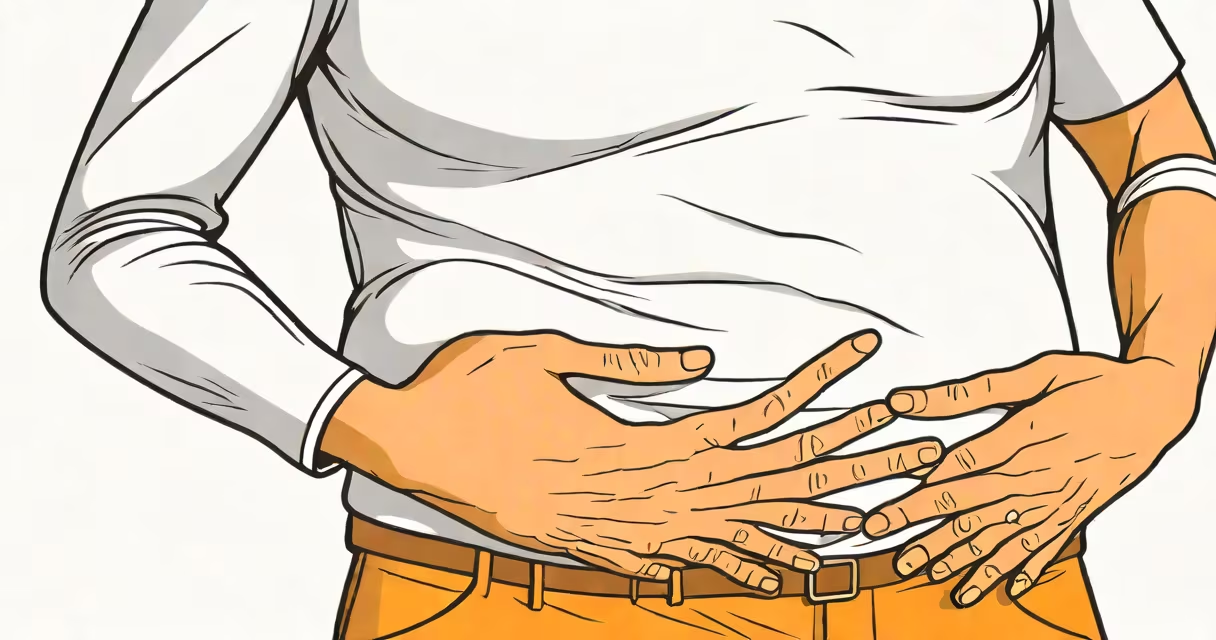
Right side stomach pain refers to discomfort or ache localized to the right quadrant of the abdomen, typically between the ribcage and the hip bone. It may arise from organs such as the appendix, gallbladder, liver, or parts of the intestines. Not all right side pain indicates a medical emergency, but certain patterns require prompt evaluation.
Acute right side stomach pain often begins suddenly and worsens over hours. Chronic pain persists for weeks or months and may fluctuate in intensity. The location within the right side matters: pain near the lower right abdomen raises concern for appendicitis, while upper right pain suggests gallbladder or liver involvement. Pain behind the ribs may indicate referred pain from the diaphragm or lungs.
Common triggers include eating fatty meals (gallbladder), constipation (bowel obstruction), or gas buildup (intestinal fermentation). A 2021 study in Frontiers in Medicine found that 38% of patients presenting with right lower quadrant pain had non-appendiceal causes, including irritable bowel syndrome and musculoskeletal strain. This highlights the importance of clinical context over symptom location alone.
How Right Side Stomach Pain Works
Pain signals originate in sensory nerves lining the abdominal wall and internal organs. These nerves transmit messages to the spinal cord and brain, where they're interpreted as pain. The right side contains several key structures: the ascending colon, cecum, appendix, right kidney, liver, gallbladder, and part of the small intestine.
When an organ becomes inflamed, stretched, or obstructed, nerve endings fire. For example, the appendix can swell due to blockage by fecal matter or lymphoid tissue, triggering inflammation and severe pain. The gallbladder contracts to release bile; if a stone blocks the duct, pressure builds and causes sharp, cramping pain in the upper right abdomen.
Referred pain occurs when nerves from different areas converge on the same spinal segment. For instance, irritation of the diaphragm from a gallstone can cause pain felt in the right shoulder or upper right abdomen. This explains why some people feel pain in the back or shoulder blade during a gallbladder attack.
Types and Common Causes
The following table outlines major categories of right side stomach pain, their typical locations, and associated conditions.
| Type | Location | Common Causes | Key Clues |
|---|---|---|---|
| Acute | Lower right quadrant | Appendicitis, diverticulitis, ovarian cyst rupture (women) | Pain starts near navel, migrates to lower right; fever, loss of appetite |
| Chronic | Upper right quadrant | Gallstones, hepatitis, peptic ulcer, pancreatitis | Pain after fatty meals; jaundice, nausea |
| Gas-related | Mid-right abdomen | Swallowed air, high-fiber foods, lactose intolerance | Bloating, passing gas, cramping relieved by movement |
| Referred | Right flank or shoulder | Diaphragmatic irritation, pneumonia, kidney stones | Pain worsens with breathing; radiation to shoulder |
One non-obvious distinction: right side stomach pain from gas rarely causes fever or persistent vomiting. True appendicitis typically presents with a temperature above 100.4°F (38°C), loss of appetite, and rebound tenderness-where pressing and releasing the area causes increased pain. A 2022 review in BMJ Clinical Evidence noted that only 15% of appendicitis cases present with classic migration of pain, underscoring the need for imaging in uncertain cases.
Where and Why It's Used in Diagnosis
Healthcare providers assess right side stomach pain through history, physical exam, and diagnostic tests. The Alvarado score-a clinical tool-assigns points based on symptoms like migration of pain, anorexia, nausea, and elevated white blood cell count. A score of 7 or higher indicates a high probability of appendicitis.
Imaging is critical. Ultrasound detects gallstones and fluid around the appendix. CT scans identify abscesses, bowel obstructions, or early signs of perforation. A 2020 study in Annals of Emergency Medicine showed that CT reduced unnecessary surgeries by 40% compared to clinical judgment alone.
I experienced this firsthand during a weekend trip when a friend developed sharp right lower abdominal pain. He had no fever but reported pain worsening when walking. An ultrasound revealed a 1.2 cm gallstone blocking the cystic duct. After surgery, he recovered fully in five days. His case illustrates how even mild symptoms can signal significant pathology.
What It's Confused With or Mistaken For
Right side stomach pain is frequently mistaken for gas or indigestion. However, gas pain tends to move with position changes and resolve within minutes. Persistent pain lasting more than 6 hours, especially with fever or vomiting, is not typical of gas.
Another common error: assuming all right side pain stems from the appendix. The appendix lies in the lower right quadrant, but pain from the right kidney or colon can mimic it. A 2019 study in Journal of General Internal Medicine found that 22% of patients initially diagnosed with appendicitis were later found to have diverticulitis or Crohn's disease.
When to Seek Medical Attention
Seek immediate care if right side stomach pain is accompanied by:
- Fever above 100.4°F (38°C)
- Severe, unrelenting pain
- Vomiting bile or blood
- Abdominal swelling or rigidity
- Jaundice (yellow skin or eyes)
- Difficulty urinating or blood in urine
These signs suggest infection, obstruction, or organ failure. Delaying treatment increases risk of complications like sepsis or bowel perforation.
Right side stomach pain is not always a sign of something serious. But when pain persists beyond 24 hours, spreads, or alters daily function, it warrants evaluation. Early diagnosis prevents progression and reduces hospitalization rates.