
Why Do My Eyes Tear
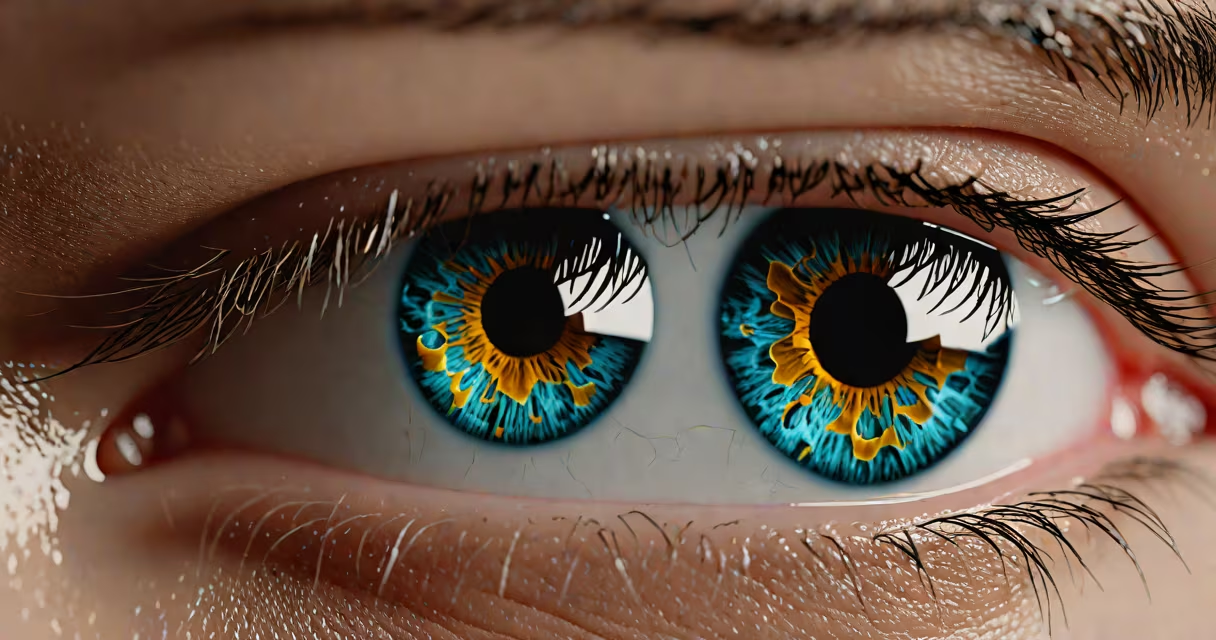
Eye tearing occurs when your lacrimal system produces more tears than can drain properly, often due to irritation, dryness, or obstruction-not because you're emotional. This imbalance triggers excessive production as a protective response.
Tears are not just emotional fluid. They form a continuous film that lubricates the eye's surface, washes away debris, and fights infection. When this system fails, either through underproduction or poor drainage, the eyes compensate by making more tears-leading to constant watering.
Common triggers include environmental irritants like wind, smoke, or pollen; underlying conditions such as dry eye syndrome or blepharitis; and structural issues like a blocked nasolacrimal duct. The result is a cycle where the eyes try to fix a problem they can't resolve on their own.
How Eye Tearing Works
Your eyes produce tears in three layers: oily, watery, and mucous. The watery layer, made by the lacrimal glands, is responsible for keeping the surface moist. When this layer is compromised-either too thin or too unstable-the eye detects dry spots and signals the brain to increase tear output.
This reflexive surge happens within seconds. You may notice sudden tearing when blinking stops during screen work, or when walking into a drafty room. The brain interprets dryness as threat, activating the lacrimal gland to flood the surface with fluid-even if the eye is already wet.
Normal tear drainage relies on tiny channels called puncta, located at the inner corners of the eyelids. These feed into the nasolacrimal duct, which empties into the nose. If this pathway is narrowed or blocked-by swelling, scar tissue, or congenital defects-tears can't exit efficiently, leading to overflow.
Types and Common Causes
Eye tearing falls into two broad categories: reflex tearing and chronic tearing. Reflex tearing happens instantly in response to irritation. Chronic tearing persists even without obvious triggers and usually points to an underlying issue.
| Type | Trigger | Typical Duration | Common Conditions |
|---|---|---|---|
| Reflex | Wind, smoke, bright light, spicy food | Seconds to minutes | Environmental exposure, corneal abrasion |
| Chronic | Dryness, blocked ducts, inflammation | Hours to days, recurring | Dry eye syndrome, dacryocystitis, blepharitis |
One overlooked cause is paradoxical dry eye. Despite symptoms of watering, the tear film lacks stability. A 2021 study in Cornea found that 60% of patients diagnosed with "watery eyes" actually had evaporative dry eye, where the lipid layer is deficient and tears evaporate too quickly.
Another frequent misdiagnosis: people assume tearing means the eyes are overly wet. But in many cases, the opposite is true. The surface is dry, triggering a compensatory flood of tears that fail to adhere properly. These tears then spill over the eyelid edge.
When to Seek Help
If tearing lasts longer than a week without clear cause, especially with redness, pain, or discharge, consult an ophthalmologist. Persistent tearing can indicate infection, injury, or systemic disease.
I once saw a patient with chronic tearing who'd been told for years it was "just allergies." After a dye test showed no drainage, we discovered a congenital blockage in the nasolacrimal duct. A minor surgical procedure-dacryocystorhinostomy-resolved the issue. The patient hadn't realized her tearing wasn't allergic at all.
Diagnostic tools include fluorescein dye testing to track tear flow, imaging like dacryoscintigraphy to assess drainage, and slit-lamp exams to check for lid abnormalities or corneal damage. Early detection prevents complications like chronic conjunctivitis or scarring.
Common Misconceptions
Many believe that tearing always means the eyes are too wet. That's false. Excessive tearing often results from dryness, not excess moisture. The eye responds to dryness by overproducing tears-like a car engine revving when the fuel line is clogged.
Another myth: "Tears are just water." They contain proteins, antibodies, lipids, and electrolytes. A 2019 review in Experimental Eye Research confirmed that tears have antimicrobial properties and regulate immune activity on the ocular surface.
People also assume all watery eyes are the same. But the cause determines treatment. Antihistamines help if allergies are involved. Warm compresses relieve meibomian gland dysfunction. Surgery is needed for blocked ducts. Treating the wrong cause wastes time and worsens symptoms.
Simple Steps to Try First
Start with basic measures: avoid direct airflow from fans or heaters, use a humidifier in dry environments, and blink consciously during screen work. Reduce screen time to 20 minutes every hour to prevent eye strain.
For mild cases, artificial tears with preservative-free formulations can stabilize the tear film. Apply them every 2 hours during prolonged focus. Avoid products with vasoconstrictors-they reduce redness but worsen dryness long-term.
Understanding why your eyes tear isn't about guessing-it's about recognizing patterns. When tearing follows specific triggers like wind or screen use, it's likely reflexive. When it happens randomly or daily, it's more likely chronic and requires medical evaluation.
Knowing the difference between emotional crying and physiological tearing helps you respond appropriately. Emotional tears involve different neurochemical pathways than reflex tears. The latter are automatic responses to physical stimuli, not mood states.
Persistent tearing isn't normal. It's a sign your eye's defense system is overwhelmed. Whether due to dryness, blockage, or inflammation, addressing the root cause leads to lasting relief. Don't ignore it-your eyes are trying to tell you something.