
What Is the Wild Life
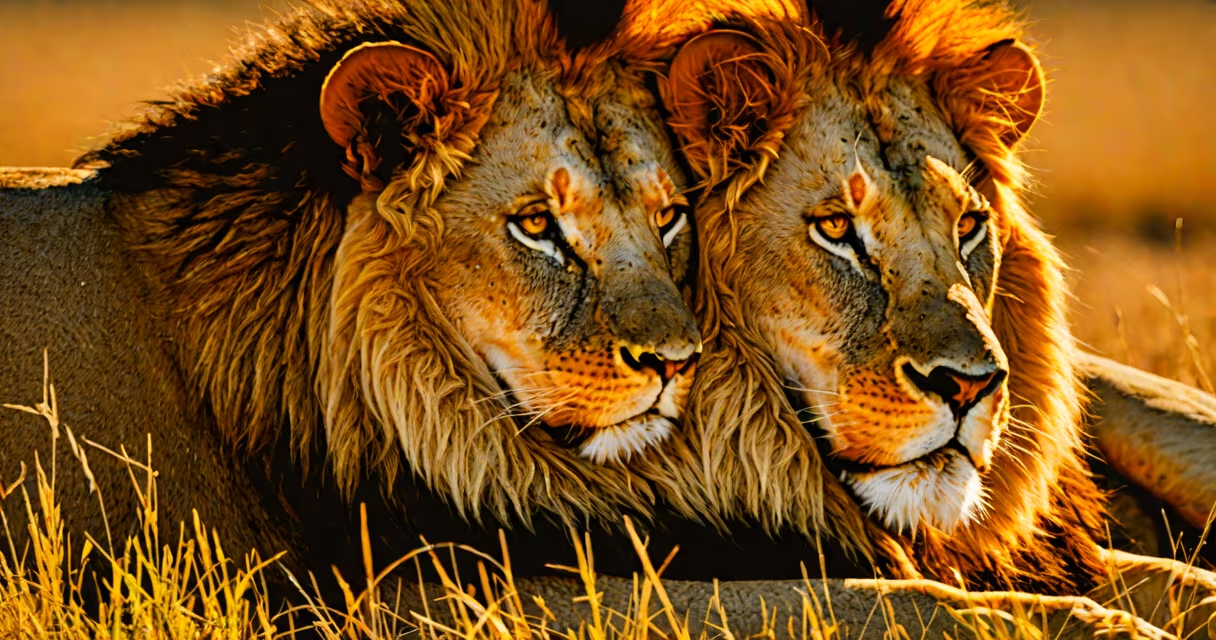
Wildlife consists of all undomesticated plants, animals, and microorganisms living in their natural habitats without human intervention. These organisms exist independently of human agriculture, urban development, or domestication. Wildlife spans ecosystems from tropical rainforests to arid deserts and deep-sea trenches.
Wildlife is not limited to large mammals. It includes insects, birds, amphibians, reptiles, fish, fungi, and native plant species. Their survival depends on intact food webs, climate stability, and unbroken migration routes. When these systems fail, populations decline rapidly.
The term "wild life" often appears in environmental policy, scientific research, and conservation efforts. It reflects both biological diversity and ecological resilience. The World Wildlife Fund (WWF) defines wildlife as "all living organisms in nature that are not cultivated or domesticated." This definition excludes pets, livestock, and crops grown for human consumption.
How Wildlife Functions in Nature
Wildlife maintains system balance through predator-prey dynamics, pollination, seed dispersal, and nutrient cycling. For example, bees pollinate 75% of global crop species, according to the Food and Agriculture Organization (FAO). Without them, food production would collapse.
Predators like wolves regulate deer populations. In Yellowstone National Park, reintroducing gray wolves in 1995 led to reduced overgrazing, which allowed willow and aspen trees to regenerate. This change restored riverbank stability and increased bird and beaver populations-a phenomenon known as a trophic cascade.
Microbial wildlife in soil supports plant growth. A single gram of healthy forest soil contains up to 1 billion bacteria and millions of fungi. These microbes decompose organic matter, fix nitrogen, and suppress plant diseases. Soil health directly affects agricultural yields and carbon storage.
Types of Wildlife and Their Habitats
Wildlife varies widely by biome. Each environment hosts specialized species adapted to specific conditions.
| Habitat Type | Common Wildlife Examples | Key Ecological Role |
|---|---|---|
| Tropical Rainforest | Harpy eagle, poison dart frog, howler monkey | High biodiversity; major carbon sink |
| Arctic Tundra | Arctic fox, caribou, snowy owl | Adapted to extreme cold and seasonal light shifts |
| Desert | Gila monster, fennec fox, sidewinder snake | Survive with minimal water; regulate sand dune stability |
| Marine Coral Reef | Clownfish, parrotfish, reef sharks | Support marine food chains; protect coastlines from erosion |
Some species live across multiple biomes. The American black bear ranges from boreal forests to temperate woodlands. Its adaptability allows it to exploit diverse food sources, including berries, nuts, and small mammals.
Common Misconceptions About Wildlife
People often confuse "wildlife" with "exotic animals" or "dangerous creatures." Not all wildlife is rare or threatening. Most species avoid humans. The fear of bears or snakes stems from cultural narratives, not ecological reality.
Another misconception is that wildlife exists only in remote wilderness areas. Urban parks, rivers, and even backyards host native wildlife. In New York City, red-tailed hawks nest on skyscrapers. Gray squirrels thrive in Central Park. These animals are part of local ecosystems, not anomalies.
A key distinction: wildlife is not synonymous with "nature" in the romantic sense. Nature includes both wild and managed systems. Wildlife specifically denotes organisms that survive without human management. A farm chicken is not wildlife, even if it roams freely. A wild turkey in a forest is.
Real-World Example: The Return of the Gray Wolf in the U.S.
In 1995, the U.S. Fish and Wildlife Service reintroduced 31 gray wolves into Yellowstone National Park. The goal was to restore ecological function lost after wolves were eradicated in the 1920s.
Within five years, wolf packs reduced elk numbers by 40%. Elk stopped grazing near rivers, allowing willows and cottonwoods to regrow. Beaver colonies returned, building dams that created wetlands. Birds such as warblers and kingfishers moved in. Stream temperatures dropped due to shade, improving trout habitat.
This chain reaction proved that removing a single apex predator disrupts entire ecosystems. Reintroducing wildlife isn't about nostalgia-it's about restoring functional ecology.
Why Wildlife Matters Beyond Nature
Wildlife contributes directly to human well-being. Pollinators support $235 billion in annual global crop value, per FAO estimates. Forest-dwelling wildlife sequesters carbon-tropical forests absorb 1.4 billion tons of CO₂ yearly.
Wildlife also drives medical innovation. The venom of the Gila monster contains exenatide, a compound used in diabetes treatment. Marine sponges have yielded drugs for cancer and HIV. Over 50% of pharmaceuticals come from natural sources, many linked to wildlife.
When wildlife declines, so do human benefits. The loss of bees threatens food security. The extinction of coral reefs endangers coastal communities. Protecting wildlife is not idealism-it's practical necessity.
I once observed a family of mountain lions in California's Santa Lucia Mountains. They moved silently through chaparral at dawn. I didn't see them, but I saw tracks, scat, and disturbed soil. That moment confirmed what science shows: wildlife persists where humans respect boundaries. Presence doesn't require visibility.
Final Thoughts
What is the wild life? It is the collective network of organisms surviving without human control. It includes everything from microscopic algae in alpine streams to grizzly bears in Alaska. This system sustains clean air, fertile soil, stable climates, and abundant food.
Protecting wildlife requires action beyond parks and laws. It demands changes in land use, diet, and consumption habits. Every decision-from choosing sustainable seafood to supporting protected areas-shapes the future of wildlife.