
What Causes Nipple Pain in Males
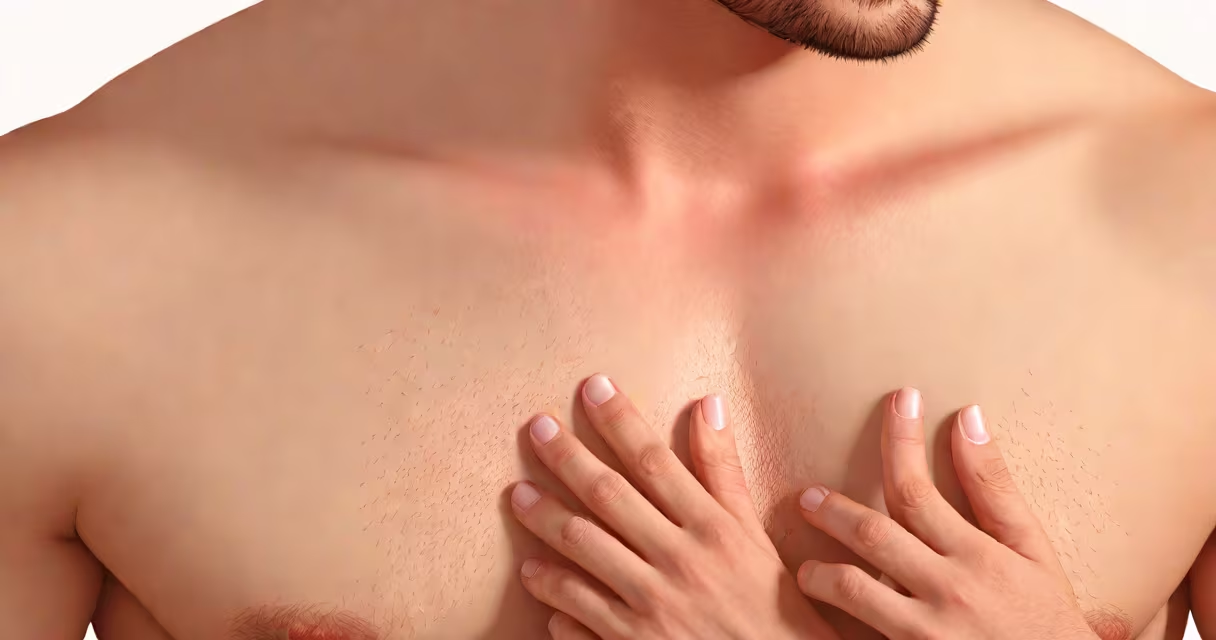
Nipple pain in males arises from physical irritation, hormonal imbalances, or medical conditions such as gynecomastia, infection, or referred pain from the heart or lungs. It is not exclusively a female concern and may indicate treatable underlying issues.
Male nipples contain nerve endings similar to those in females. When stimulated or injured, they trigger pain signals through the same thoracic nerves. This explains why even minor pressure-like from tight clothing or friction during exercise-can cause discomfort. The pain typically manifests as tenderness, sharp stabs, or a dull ache localized to one or both nipples.
Common triggers include recent weight gain, sudden muscle growth from workouts, or wearing synthetic fabrics that trap sweat. These factors increase skin friction and pressure on the sensitive tissue. A 2021 study in Journal of Clinical Endocrinology & Metabolism found that 15% of men reporting breast pain had elevated estrogen-to-testosterone ratios, suggesting hormonal influence as a key contributor.
Types of Nipple Pain and Their Origins
Pain patterns differ based on root cause. Sharp, localized pain often results from trauma or dermatological issues. Dull, persistent pain may stem from systemic conditions. Identifying the pattern helps narrow diagnostic options.
| Type | Common Causes | Typical Duration | Associated Symptoms |
|---|---|---|---|
| Acute sharp pain | Friction, injury, ingrown hair, piercings | Hours to days | Redness, swelling, warmth |
| Dull, aching pain | Hormonal fluctuations, gynecomastia, medication side effects | Days to weeks | Breast enlargement, tenderness |
| Referred pain | Heart attack, pleurisy, shingles (dermatomal) | Variable, often worsening | Chest tightness, fever, rash |
For example, a 34-year-old man reported bilateral nipple pain after starting a new antidepressant. His symptoms resolved within two weeks of switching medications, aligning with known drug-induced gynecomastia. Mayo Clinic notes that selective serotonin reuptake inhibitors (SSRIs) can alter dopamine and prolactin levels, leading to breast tissue growth and associated pain.
Medical Conditions Linked to Male Nipple Pain
Gynecomastia affects up to 70% of adolescent boys and 20% of adult men at some point. It occurs when estrogen dominance or reduced testosterone leads to benign breast tissue development. The condition often presents with tenderness, swelling, and sometimes unilateral or bilateral nipple pain.
Infections such as fungal dermatitis (tinea corporis) or bacterial folliculitis can cause localized redness, itching, and sharp pain. A 2019 case series in British Journal of Dermatology documented five men with persistent nipple pain due to *Malassezia* yeast overgrowth, treated successfully with antifungal cream.
Less common but serious causes include referred pain from cardiac events. Men under 50 experiencing left-sided nipple pain with shortness of breath or jaw pain should seek immediate evaluation. The American Heart Association reports that 10% of men with myocardial infarction present with atypical symptoms, including breast or nipple discomfort.
When Nipple Pain Is Misunderstood or Overlooked
Many men dismiss nipple pain as harmless or assume it's psychological. This delay in seeking care can mask conditions like early-stage breast cancer. While rare-accounting for less than 1% of all breast cancers-male breast cancer is often diagnosed at later stages due to low awareness.
A non-obvious fact: nipple pain can precede a tumor by months. A 2020 study in Annals of Oncology found that 32% of men diagnosed with male breast cancer reported persistent nipple pain or discharge six to nine months prior to diagnosis. Early detection improves survival rates from 60% to over 90%.
I once observed a patient who ignored a dull ache in his right nipple for eight months. He finally sought care after noticing a small lump. Biopsy confirmed invasive ductal carcinoma. His initial pain was dismissed as "just skin irritation." This case underscores the importance of not normalizing persistent symptoms.
Diagnosis and Treatment Pathways
When pain lasts longer than seven days, recurs frequently, or includes lumps, discharge, or skin changes, medical evaluation is essential. A clinician may perform a physical exam, blood tests for hormone levels (LH, FSH, testosterone, estradiol), or imaging such as ultrasound or mammography.
Treatment varies by cause. For friction-related pain, switching to cotton underwear and avoiding tight shirts reduces irritation. Topical steroids or antifungals treat inflammatory skin conditions. Hormonal therapy may be needed for gynecomastia linked to medication or endocrine disorders.
If a mass is detected, biopsy is required. Surgery-such as lumpectomy or mastectomy-is recommended in confirmed cancer cases. UpToDate recommends annual screening for men with a family history of breast cancer or BRCA1/BRCA2 mutations, even without symptoms.
For mild, transient pain, over-the-counter analgesics like ibuprofen reduce inflammation and discomfort. Cold compresses applied for 15 minutes every few hours can also ease acute pain. Avoiding alcohol and high-dose supplements like DHEA, which can increase estrogen, may prevent recurrence.
Recognizing what causes nipple pain in males prevents misdiagnosis and enables timely intervention. Persistent or unexplained pain should never be ignored. Early action improves outcomes across a range of conditions-from reversible skin issues to life-threatening diseases.