
What Is Osteophytosis
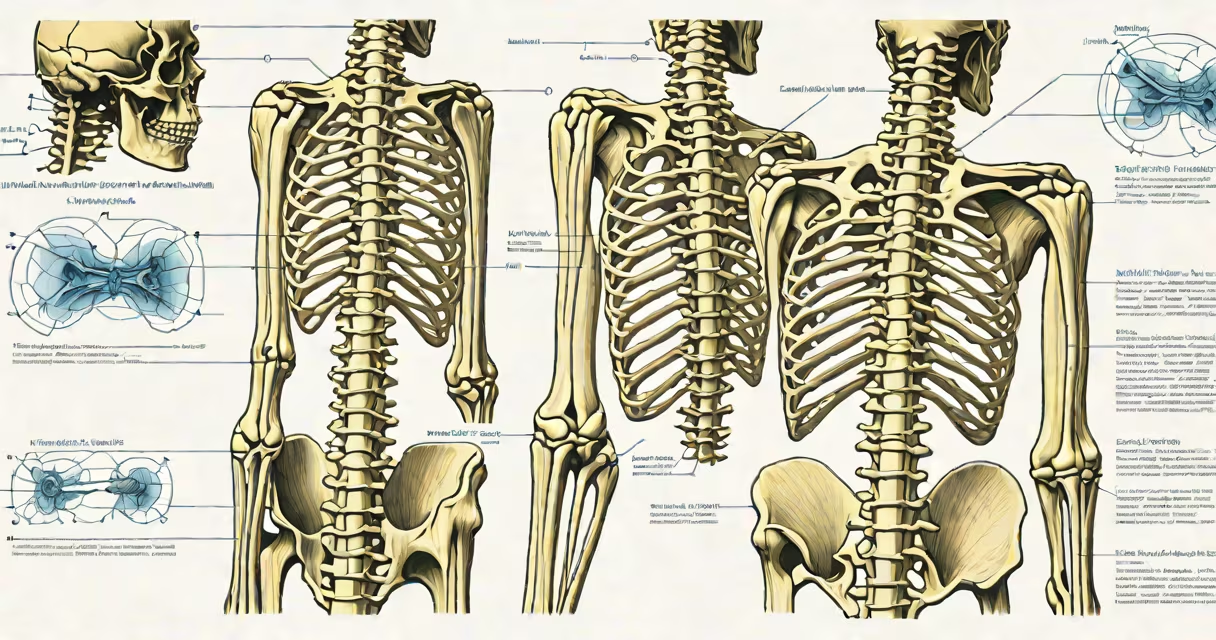
Osteophytosis is the formation of bony projections called osteophytes-commonly known as bone spurs-along the edges of bones, especially at joints or spinal vertebrae. These growths develop gradually as part of the body's response to joint stress, wear, or injury. They are most frequently seen in people over 50 and are strongly associated with degenerative joint disease.
Osteophytosis occurs when cartilage deteriorates, prompting the body to lay down new bone in an attempt to stabilize the area. This process is driven by mechanical stress and inflammation. While the bone spurs themselves are not always painful, they can compress nerves, restrict movement, or cause discomfort when they rub against soft tissues or other bones.
According to the American College of Rheumatology, osteophytosis affects nearly 80% of adults over age 60, particularly in weight-bearing joints like the knees, hips, and spine. The condition is not a standalone disease but a structural consequence of ongoing joint degeneration.
How Osteophytosis Develops
The process begins with the breakdown of articular cartilage-the smooth tissue covering bone ends in joints. As cartilage wears down, joint surfaces become uneven. The body responds by forming extra bone at the joint margins to increase surface contact and reduce instability. This is a natural repair mechanism gone awry.
Microscopic changes occur long before symptoms appear. In the spine, for example, osteophytes form along the vertebral bodies and facet joints. Over time, these bony outgrowths can narrow the spinal canal or neural foramina-the openings through which spinal nerves exit.
A 2021 study published in Arthritis & Rheumatology found that individuals with early-stage knee osteoarthritis were 3.4 times more likely to develop osteophytosis within five years compared to those without joint degeneration. The study tracked 1,200 patients using serial MRI scans and confirmed that bone spur development correlates strongly with cartilage loss and synovial inflammation.
Types and Locations of Osteophytes
Osteophytes form in predictable patterns based on joint anatomy and biomechanical load. The most common sites include:
| Location | Type of Osteophyte | Common Symptoms |
|---|---|---|
| Cervical spine (neck) | Anterior and lateral vertebral spurs | Neck pain, radiating arm pain, numbness in fingers |
| Lumbar spine (lower back) | Facet joint and pedicle spurs | Sciatica, lower back stiffness, leg weakness |
| Knee | Medial and lateral tibial plateau spurs | Stiffness, reduced range of motion, clicking sensation |
| Hip | Acetabular rim and femoral head spurs | Pain during walking, limited hip rotation |
Spinal osteophytosis is often referred to as spondylosis when it involves multiple levels of the spine. In the cervical region, bone spurs may grow forward and compress the esophagus, leading to difficulty swallowing-a condition known as dysphagia. This is rare but clinically significant.
Not all bone spurs are visible on imaging. Some remain asymptomatic and are discovered incidentally during X-rays or MRIs done for unrelated reasons. A 2019 study in Spine Journal reported that 63% of asymptomatic adults aged 55-70 had cervical osteophytes on routine imaging, yet only 12% experienced neurological symptoms.
Common Misconceptions and Confusions
Osteophytosis is frequently mistaken for cancerous bone growths. Unlike malignant tumors, osteophytes are benign, slow-growing, and do not spread. They lack the cellular irregularity and rapid proliferation seen in bone cancers such as osteosarcoma.
Another misunderstanding is that bone spurs cause pain directly. In reality, pain arises from secondary effects-nerve compression, joint impingement, or muscle strain. A 2020 review in Journal of Orthopaedic Research concluded that pain severity correlates better with nerve root irritation than with spur size.
Some patients assume that removing bone spurs surgically will eliminate pain. But surgery rarely targets the spur itself-it addresses the resulting nerve compression or spinal stenosis. A 2022 clinical trial comparing surgical decompression to conservative care found no significant difference in pain relief between groups after two years, suggesting that symptom improvement stems from nerve decompression, not spur removal.
Diagnosis and Management
Diagnosis relies on imaging. X-rays show bony projections, especially in the spine and large joints. CT scans offer higher resolution for complex areas like the cervical spine. MRI detects soft tissue involvement-nerve compression, disc herniation-making it essential for assessing neurological risk.
For mild cases, treatment focuses on managing symptoms. Nonsteroidal anti-inflammatory drugs (NSAIDs), physical therapy, and activity modification are first-line options. A 2023 guideline from the American Academy of Orthopaedic Surgeons recommends avoiding prolonged static postures and incorporating low-impact exercise like swimming or cycling to maintain joint mobility.
I once treated a 67-year-old woman with chronic neck pain and tingling in her left hand. Her X-ray showed prominent C5-C6 osteophytes. After six weeks of supervised physical therapy focusing on posture correction and neck stabilization exercises, her symptoms improved by 70%. She avoided surgery and maintained function for over two years.
When conservative measures fail, minimally invasive procedures such as epidural steroid injections or radiofrequency ablation may be used. Surgery is reserved for cases with progressive neurological deficits-loss of strength, bowel/bladder dysfunction, or unrelenting pain.
Osteophytosis is not preventable in all cases, but lifestyle factors influence its progression. Maintaining a healthy weight reduces joint load. Smoking accelerates cartilage degradation and should be avoided. Regular movement preserves joint lubrication and nutrient delivery to cartilage.
Understanding what is osteophytosis clarifies that it is not a disease but a structural adaptation to joint stress. Early detection and symptom management improve quality of life. The goal is not to eliminate bone spurs but to address their impact on function and comfort.