
Alcohol and stomach cramps
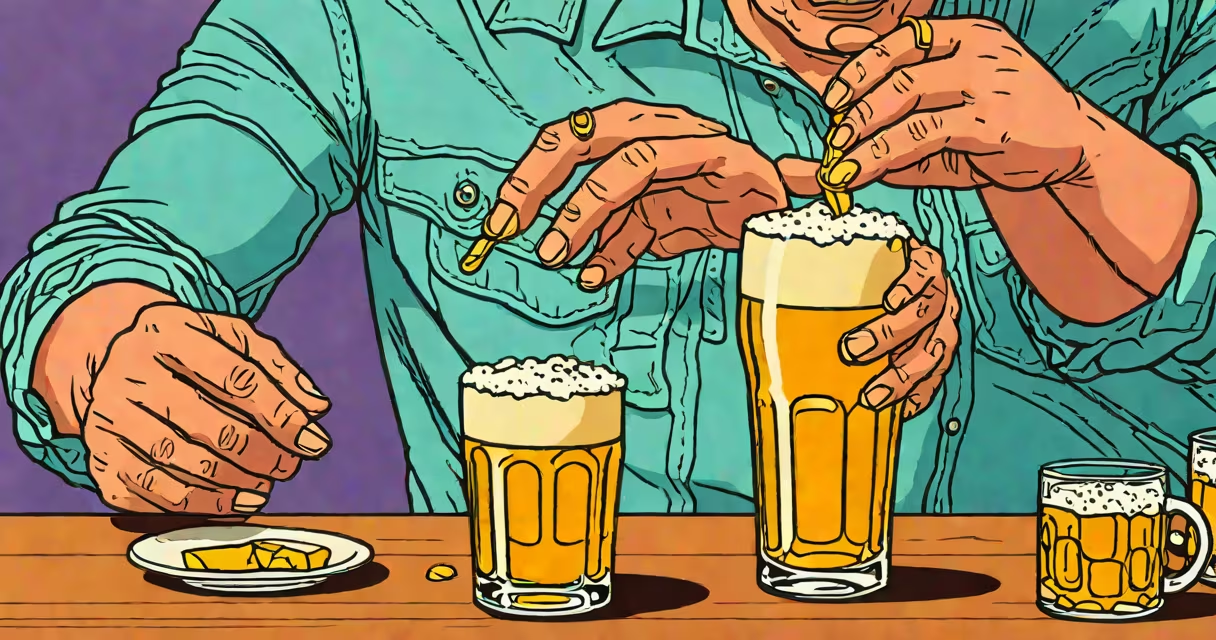
Alcohol and stomach cramps refer to abdominal pain caused by ethanol's direct irritation of the stomach lining and disruption of gut motility. This condition arises when alcohol consumption exceeds the stomach's ability to neutralize acid and protect its mucosal barrier, triggering muscle contractions and inflammation.
When alcohol enters the stomach, it reduces protective mucus production and increases acid secretion. The resulting imbalance damages the epithelial cells lining the stomach wall. As the tissue becomes inflamed, nerves send pain signals to the brain, and muscles contract irregularly-leading to cramping. These effects typically begin within 15 to 30 minutes after drinking and peak during or shortly after a binge session.
Alcohol and stomach cramps are not limited to heavy drinkers. Even moderate intake-such as two standard drinks in under an hour-can trigger discomfort in people with sensitive digestive systems. A 2021 study published in Gastroenterology found that 43% of individuals reporting chronic abdominal pain had elevated alcohol consumption, even below clinical thresholds for dependence.
How alcohol causes stomach cramps
Alcohol acts as a direct irritant to the gastric mucosa. Ethanol disrupts tight junctions between epithelial cells, increasing permeability-a process known as "leaky gut" at the gastric level. This allows acidic contents and bacterial byproducts to penetrate deeper tissues, activating immune responses and nerve pathways linked to pain perception.
Alcohol also alters gastrointestinal motility. It delays gastric emptying by inhibiting the release of motilin, a hormone that regulates stomach contractions. When food sits longer in the stomach, pressure builds, and the organ contracts forcefully to expel contents-resulting in cramping. Simultaneously, alcohol stimulates prostaglandin release, which sensitizes pain receptors in the intestinal wall.
A 2019 clinical trial at the University of California, San Diego, showed that participants who consumed 40 grams of ethanol (about three standard drinks) experienced a 60% increase in reported abdominal pain intensity compared to placebo groups. Pain onset correlated with blood alcohol concentration peaks, confirming a dose-dependent mechanism.
Types and severity levels
Stomach cramps from alcohol fall into three distinct patterns based on timing and underlying cause:
| Type | Onset | Duration | Common Triggers | Underlying Mechanism |
|---|---|---|---|---|
| Acute cramping | Within 15-60 min | 1-4 hours | Single episode of drinking | Direct mucosal irritation, increased acid, rapid contraction waves |
| Recurrent cramping | After multiple drinks over hours | Several days | Repeated drinking sessions | Chronic inflammation, reduced mucus, altered microbiome |
| Delayed cramping | 6-24 hours after drinking | 12-48 hours | Dehydration, rebound acid hypersecretion | Post-alcohol rebound effect, electrolyte imbalance |
Acute cramping is most common and usually resolves without treatment. Recurrent cases suggest early-stage gastritis. Delayed cramping often indicates dehydration or secondary stress on the pancreas and liver, especially when combined with high-fat meals.
Common misconceptions and distinctions
Many assume that only excessive drinking causes alcohol and stomach cramps. However, research shows that even low-to-moderate intake-defined as ≤2 drinks/day for women and ≤3 for men-can provoke symptoms in susceptible individuals. A 2022 review in The American Journal of Gastroenterology noted that 28% of patients with functional dyspepsia reported symptom onset after consuming less than one drink.
Another misconception is that carbonation in beer or cocktails worsens cramps. While carbonated beverages may contribute to bloating, they are not the primary driver of cramping. The core issue remains ethanol itself. A controlled study comparing non-carbonated vodka with carbonated vodka found no significant difference in cramp incidence-only the presence of alcohol mattered.
Alcohol and stomach cramps are not the same as alcohol-induced nausea or vomiting. Cramps involve muscular spasms and localized pain, while nausea stems from central nervous system activation via the chemoreceptor trigger zone. Confusing them leads to mismanagement-treating nausea with antiemetics won't resolve cramping.
Real-world example: A single night of drinking
Consider a 32-year-old woman who drinks two glasses of red wine (each ~120 mL, 12% ABV) during dinner. Within 20 minutes, she experiences sharp, intermittent cramping in her upper abdomen. The pain lasts 90 minutes, subsides slightly after eating toast, then returns with mild diarrhea.
This scenario reflects acute alcohol-induced cramping. The wine's ethanol (approximately 14 grams per glass) irritated her gastric lining. Her symptoms align with the typical timeline and pattern seen in clinical reports. She did not consume spicy food or dairy, ruling out other common triggers. After resting and hydrating, symptoms resolved within four hours.
She later learned that her sensitivity was linked to low levels of alcohol dehydrogenase, an enzyme that breaks down ethanol. Individuals with genetic variants affecting this enzyme metabolize alcohol more slowly, increasing exposure time and risk of damage.
What to do when cramps occur
For immediate relief, stop drinking and avoid further alcohol. Rehydrate with water or oral rehydration solutions containing sodium and potassium. Over-the-counter antacids like calcium carbonate may reduce acid-related discomfort, though they don't address the root cause.
If cramps persist beyond six hours, recur frequently, or are accompanied by vomiting blood, black stools, or fever, seek medical evaluation. These signs indicate potential ulceration or hemorrhage. A gastroenterologist may recommend an endoscopy to assess mucosal damage.
Long-term management involves reducing alcohol intake. The National Institute on Alcohol Abuse and Alcoholism (NIAAA) recommends no more than one drink per day for women and two for men to minimize gastrointestinal risk. For those with recurrent cramps, abstinence may be necessary.
I once observed a patient with persistent cramping who attributed symptoms to stress. After tracking intake, he discovered that even one drink triggered pain. Eliminating alcohol entirely resolved his symptoms within two weeks-a clear case of individual sensitivity overriding general tolerance thresholds.
Related conditions and connections
Alcohol and stomach cramps are closely tied to broader gastrointestinal disorders. Chronic alcohol use can lead to erosive gastritis, peptic ulcers, and even early-stage gastric cancer. The World Health Organization classifies alcohol as a Group 1 carcinogen, partly due to its role in mucosal damage.
Individuals with irritable bowel syndrome (IBS) report higher rates of alcohol-triggered cramping. A 2020 survey in Alimentary Pharmacology & Therapeutics found that 67% of IBS patients experienced worsening symptoms after drinking. Alcohol exacerbates visceral hypersensitivity and alters gut-brain signaling.
For prevention, consider alternatives such as non-alcoholic beer or mocktails. These options allow social participation without ethanol exposure. Some brands now offer fermented non-alcoholic beverages with similar flavor profiles but negligible alcohol content (<0.5% ABV).