
lung cancer signs
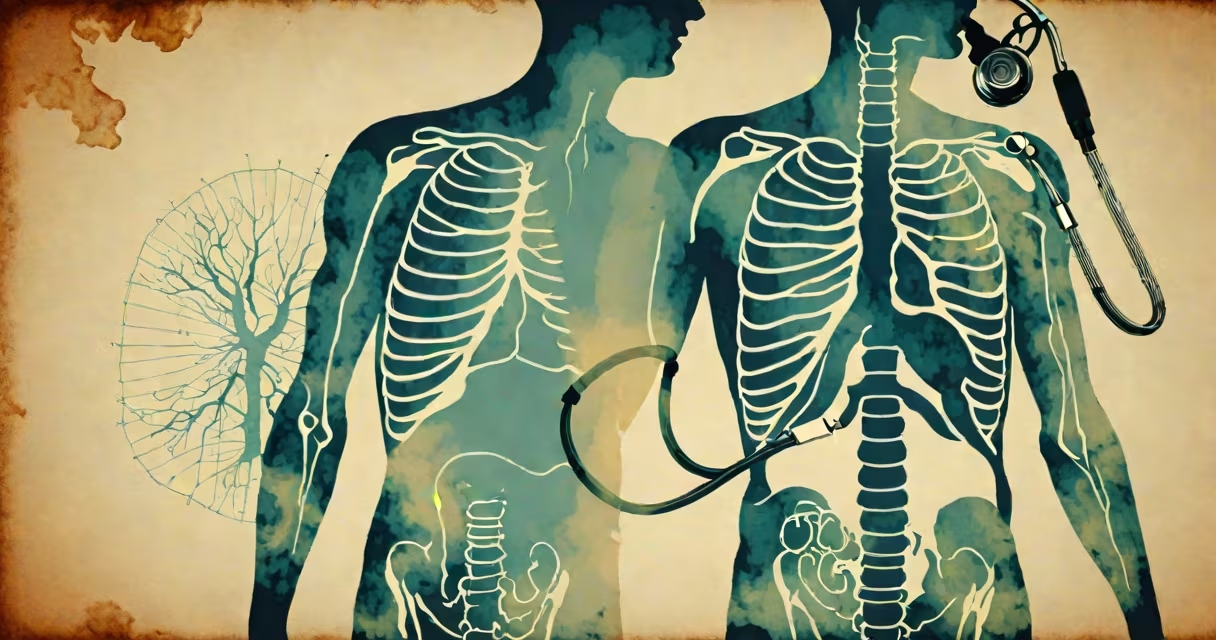
Lung cancer signs are physical changes or symptoms that may indicate the presence of abnormal cell growth in the lungs. These signs often develop gradually and can mimic other respiratory conditions, delaying diagnosis. Recognizing them early improves treatment success rates.
Most lung cancer signs stem from tumors pressing on airways, blocking mucus drainage, or spreading to nearby tissues. The disease typically begins in the epithelial cells lining the bronchial tubes. As tumors grow, they disrupt normal lung function and trigger immune responses that produce noticeable symptoms.
Early-stage lung cancer frequently lacks obvious signs. When symptoms do emerge, they often involve the respiratory system. Persistent cough, shortness of breath, chest pain, and coughing up blood are common indicators. These signals are not exclusive to cancer-they can result from infections, asthma, or chronic obstructive pulmonary disease (COPD)-but their persistence demands medical evaluation.
How lung cancer signs develop
Signs arise when tumor growth interferes with lung structure or triggers systemic reactions. A tumor in a major bronchus can partially block airflow, leading to a chronic cough as the body attempts to clear the obstruction. If the tumor invades nerve tissue, it may cause sharp, localized chest pain that worsens with deep breathing or coughing.
When cancer spreads beyond the lungs-through lymph nodes or bloodstream-it can affect distant organs. Metastasis to the brain may cause headaches or seizures. Bone involvement leads to pain in the spine, hips, or ribs. Liver metastases can result in jaundice or abdominal swelling. These signs suggest advanced disease and require urgent care.
Some signs are indirect. Unintentional weight loss exceeding 10 pounds in six months, fatigue, or clubbing of the fingers (enlarged fingertips with curved nails) may precede a confirmed diagnosis. These systemic effects occur due to tumor-secreted substances that alter metabolism and immune function.
Types of lung cancer signs
Lung cancer signs fall into categories based on location and mechanism. Local signs originate in the lungs or nearby structures. Systemic signs reflect widespread disease. Some signs are paraneoplastic-caused by hormones or antibodies produced by the tumor rather than direct invasion.
| Sign Type | Common Examples | Underlying Cause |
|---|---|---|
| Local | Persistent cough, hemoptysis, chest pain, wheezing | Tumor blocking airway or invading pleura |
| Systemic | Unexplained weight loss, fatigue, night sweats | Metabolic changes from tumor activity |
| Paraneoplastic | Hypercalcemia, syndrome of inappropriate antidiuretic hormone (SIADH) | Tumor secretion of hormones or cytokines |
Paraneoplastic syndromes are rare but clinically significant. For example, small cell lung cancer sometimes releases adrenocorticotropic hormone (ACTH), causing Cushing's syndrome-characterized by facial puffiness, high blood pressure, and muscle weakness. These signs may appear before the primary tumor is visible on imaging.
Where and why lung cancer signs matter
Lung cancer is the leading cause of cancer death worldwide. In the United States, it accounts for about 13% of new cancer cases and 26% of cancer-related deaths annually, according to the American Cancer Society. Early detection improves five-year survival from 19% to 57%, underscoring the importance of recognizing signs promptly.
High-risk individuals-those with a history of smoking, exposure to radon or asbestos, or a family history of lung cancer-should undergo annual low-dose CT scans. This screening detects tumors before symptoms appear. However, even among screened populations, 15% of cases present with symptoms first, highlighting the need for symptom awareness.
One non-obvious fact: lung cancer signs can be absent in up to 40% of patients diagnosed at stage I. The absence of symptoms does not rule out cancer. This underscores that screening is critical for early detection, especially in at-risk groups.
Common misconceptions and distinctions
Many assume lung cancer signs are always dramatic-like severe coughing up blood or sudden collapse. In reality, early signs are often mild and easily dismissed. A persistent cough lasting more than three weeks, especially in smokers, is a red flag. So is unexplained fatigue that doesn't improve with rest.
Another misconception is that only smokers get lung cancer. About 10% of U.S. lung cancer cases occur in people who have never smoked. Among these, women are disproportionately affected. Research from the National Lung Screening Trial shows that women diagnosed with lung cancer are more likely to have adenocarcinoma-a subtype that often presents with non-specific symptoms like fatigue or shortness of breath.
For example, a 58-year-old woman with no smoking history presented with a two-month history of fatigue and a dry cough. Initial tests showed no infection. A CT scan revealed a 2.5 cm nodule in her right lower lobe. Biopsy confirmed adenocarcinoma. Her symptoms were subtle, but timely evaluation led to curative surgery.
What to do if you notice lung cancer signs
If you experience a persistent cough, unexplained weight loss, or chest discomfort lasting more than three weeks, consult a healthcare provider. A physical exam and imaging-usually a chest X-ray or CT scan-are standard next steps. If a suspicious lesion appears, a biopsy confirms whether it's cancerous.
I once observed a patient with a 10-pound weight loss over two months and a chronic cough. He had no fever or night sweats. His primary care doctor initially attributed his symptoms to stress. After referral to a pulmonologist, a CT scan revealed a 3.2 cm mass in the left upper lobe. He was diagnosed with stage II non-small cell lung cancer. Surgery and adjuvant chemotherapy led to remission. His case illustrates how subtle signs can mask serious illness.
Knowing lung cancer signs is not about fear-it's about action. Identifying symptoms early increases the chance of effective treatment and long-term survival.