
What Is Foot Hand Mouth Virus
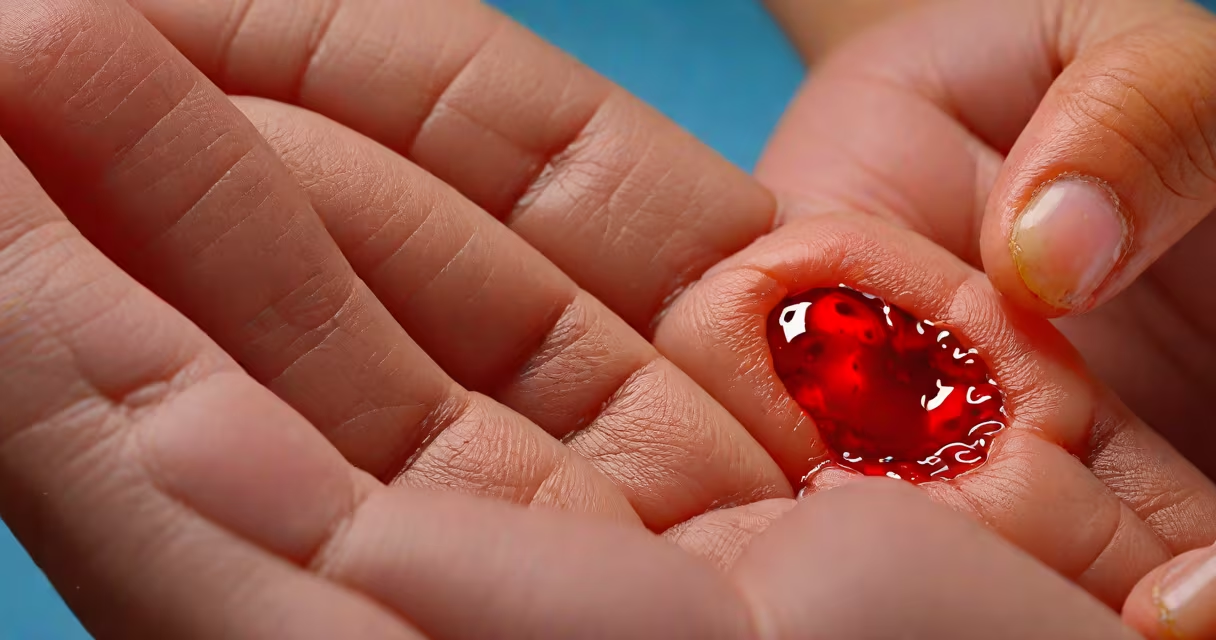
Foot hand mouth virus, or hand, foot, and mouth disease (HFMD), is a highly contagious viral illness caused by enteroviruses, most commonly coxsackievirus A16. It primarily affects infants and young children under age 5, causing fever, sore throat, mouth ulcers, and a rash with blisters on the hands, feet, and sometimes buttocks.
The virus spreads through contact with saliva, nasal secretions, feces, or fluid from blisters. Outbreaks often occur in childcare centers and schools due to close contact and poor hand hygiene. Symptoms typically appear 3-6 days after exposure and last 7-10 days. Most cases resolve without treatment, though complications like dehydration from difficulty eating are possible.
HFMD is not related to foot-and-mouth disease in animals, despite the similar name. The human version is caused by different viruses and does not affect livestock. It is also distinct from chickenpox or measles, which have different rashes and transmission patterns.
How It Works: Transmission and Infection Cycle
Enteroviruses enter the body through the mouth or nose, then replicate in the throat and intestines. They spread via respiratory droplets during coughing or sneezing, or through contact with contaminated surfaces. Fecal-oral transmission is especially common in toddlers who don't yet wash hands properly after using the toilet.
Once inside, the virus travels to the skin and mucous membranes, triggering inflammation and blister formation. The immune system responds within days, clearing the virus. However, people remain infectious for weeks after symptoms fade, especially through stool.
A study published in The Lancet Infectious Diseases found that in Southeast Asia, up to 80% of children aged 1-4 years have had HFMD by age 5, highlighting its prevalence in early childhood settings.
Types and Causes: Which Viruses Are Responsible?
While coxsackievirus A16 causes about 80% of typical HFMD cases, other enteroviruses can cause similar symptoms. Enterovirus 71 (EV-71) is less common but more dangerous-it can lead to severe neurological complications like meningitis or encephalitis, particularly in younger children.
| Virus Type | Common Symptoms | Risk Level |
|---|---|---|
| Coxsackievirus A16 | Fever, mouth ulcers, hand/foot rash | Low to moderate |
| Enterovirus 71 (EV-71) | Same as above, plus high fever, irritability, seizures | High (neurological risk) |
| Other enteroviruses (A5, A9, B1-3) | Mild fever, rash, occasional mouth sores | Low |
EV-71 is responsible for major outbreaks in China and Southeast Asia. In 2016, a single outbreak in China infected over 100,000 children and led to more than 100 deaths, according to the World Health Organization.
Where and Why It's Used: Common Settings and Risk Factors
HFMD thrives in environments where children gather closely: daycare centers, preschools, and family homes with multiple young kids. The virus spreads rapidly in such settings due to shared toys, lack of handwashing, and young children putting objects in their mouths.
Seasonality plays a role too. Cases peak in summer and early fall in temperate climates. In tropical regions, year-round transmission occurs, with spikes during rainy seasons.
One key factor often missed: asymptomatic carriers. Up to 30% of infected individuals show no symptoms but still shed the virus in stool for weeks. This makes containment difficult, especially in group care settings.
Common Confusions and Misconceptions
Many parents mistake HFMD for chickenpox or strep throat. Unlike chickenpox, which causes itchy, fluid-filled blisters all over the body, HFMD blisters are usually limited to the hands, feet, and mouth. Strep throat causes a red, swollen throat with white patches, while HFMD involves painful mouth ulcers and no pus.
Another misconception is that HFMD is a form of athlete's foot or fungal infection. It is not. The rash is not itchy and does not respond to antifungal creams. The condition is viral, not fungal.
I once observed a classroom of 22 preschoolers where 14 developed symptoms within two weeks. The initial case was a child who didn't attend school for three days after a fever. By the time he returned, the virus had already spread through shared snacks and playtime. Testing confirmed coxsackievirus A16.
What to Do: Management and When to Seek Help
There is no specific antiviral treatment for foot hand mouth virus. Care focuses on symptom relief: acetaminophen for fever, oral rinses with salt water to ease mouth pain, and soft foods to avoid irritation. Children should stay home until fever resolves and mouth sores improve to prevent spreading the virus.
Seek medical attention if a child develops persistent high fever (>103°F), lethargy, stiff neck, vomiting, or difficulty breathing. These signs may indicate EV-71-related complications requiring hospitalization.
Prevention relies on frequent handwashing, disinfecting surfaces, and keeping sick children out of group settings. The CDC recommends washing hands with soap and water for at least 20 seconds, especially after diaper changes and before meals.
Foot hand mouth virus is a common but manageable illness. Recognizing its symptoms early reduces spread and helps families provide timely comfort.