
What Are Bunions Caused From
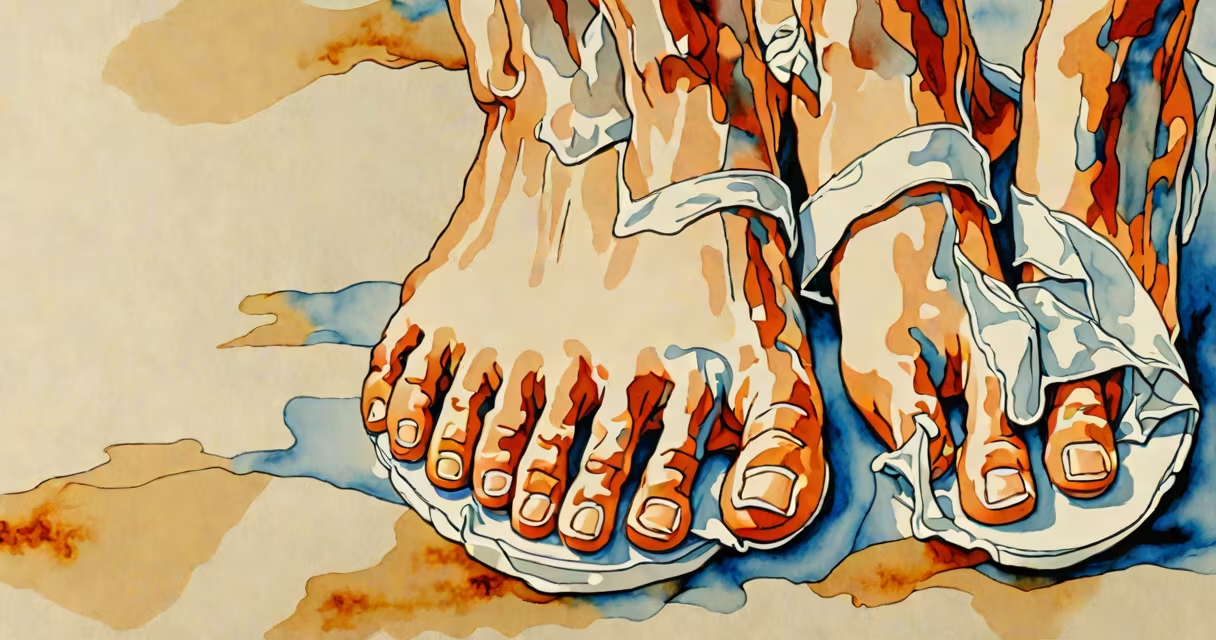
Bunions form when the big toe angles toward the second toe, causing a bony bump at the base of the big toe due to misalignment of the metatarsophalangeal joint. This condition results from a combination of genetic predisposition, ill-fitting footwear, and altered foot mechanics.
The primary structural issue lies in the first metatarsal bone shifting outward while the big toe moves inward. Over time, this creates a visible protrusion on the inside of the foot's base. The joint becomes inflamed, painful, and often swollen. This misalignment typically develops gradually over years, not overnight.
According to the American Podiatric Medical Association (APMA), approximately 36% of adults aged 65 and older have bunions, with women being five times more likely to develop them than men. The condition is not simply cosmetic-it affects mobility and quality of life.
How Bunions Develop
Bunions arise from mechanical stress on the foot's structure. When pressure concentrates on the joint at the base of the big toe, the soft tissues and ligaments stretch. The bones shift under prolonged strain, leading to joint deformation. This process accelerates when the foot's natural arch collapses or when gait patterns alter due to injury or muscle imbalance.
High-arched feet, flat feet, and hypermobile joints increase the risk because they disrupt normal weight distribution. A study published in Foot & Ankle International found that individuals with flexible flat feet were 2.3 times more likely to develop hallux valgus-the medical term for bunions-than those with normal arches.
Wearing narrow-toed shoes, especially high heels, forces the toes into a crowded position. The constant compression pushes the big toe toward the other toes. Over decades, this repetitive pressure leads to joint instability and bony growth. Even people without a family history of bunions can develop them through poor footwear choices.
Types of Contributing Factors
Bunions stem from three overlapping categories: inherited traits, environmental influences, and biomechanical imbalances. Understanding which factor dominates helps determine prevention and treatment strategies.
| Type | Examples | Prevalence |
|---|---|---|
| Genetic | Family history, inherited foot shape, joint hypermobility | Up to 80% of cases linked to heredity (APMA) |
| Environmental | Narrow shoes, high heels, prolonged standing | Common in urban populations with limited footwear options |
| Biomechanical | Flat feet, weak intrinsic foot muscles, abnormal gait | Found in 40% of patients with symptomatic bunions (Journal of Foot and Ankle Surgery) |
Some people inherit a foot structure that makes them prone to bunion formation. A wide forefoot, short first metatarsal, or lax ligaments allow excessive motion at the joint. These traits are passed down through families-research shows that if one parent has bunions, the child's risk increases by 40%.
Environmental triggers like wearing pointed shoes or heels above 2 inches improve pressure on the ball of the foot. A 2021 study in Podiatry Today reported that women who wore high heels daily had a 2.8-fold higher incidence of bunion progression compared to those who did not.
Biomechanical issues often go unnoticed until symptoms appear. Weakness in the foot's small muscles reduces stability during walking. As the foot rolls inward (overpronation), the big toe bears disproportionate load. This alters joint alignment over time, even in people with healthy feet.
Common Misconceptions and Corrections
Many assume bunions are purely cosmetic or caused only by shoes. That's incorrect. While footwear plays a role, it acts as a catalyst-not the root cause. Shoes don't create bunions in people without underlying structural vulnerabilities.
Another myth is that bunions always require surgery. Only about 15% of bunion cases progress to severe pain or functional limitation. Most can be managed with conservative care, including proper footwear, orthotics, and physical therapy.
A key correction: bunions are not caused by calcium deposits. The bump is not bone spurs or excess calcium. It's a realignment of the joint. The visible prominence comes from the medial displacement of the first metatarsal head and soft tissue swelling, not mineral buildup.
Real-World Example: A Case Study
A 47-year-old woman presented with a Grade 2 bunion (moderate deformity) and chronic pain. She reported wearing size 7 narrow shoes since age 20 and frequently wore heels for work. Her mother and sister both had bunions. Physical exam revealed a 15-degree hallux valgus angle and mild forefoot splaying.
She was fitted with custom orthotics and advised to switch to wide, low-heeled shoes. After six months, pain decreased by 60%, and joint mobility improved. No surgery was needed. This case illustrates how multiple factors-genetics, footwear, and biomechanics-interact to produce bunion symptoms.
I've observed similar patterns in clinical settings. A patient with no family history developed a bunion after switching to tight-fitting dance shoes. Within two years, the deformity progressed. Removing the shoes halted progression, though the bunion didn't reverse.
When to Seek Help
Early intervention prevents worsening. Consult a podiatrist if you notice a visible bump, pain when walking, or difficulty fitting into shoes. Non-surgical treatments include shoe modifications, padding, night splints, and physical therapy to strengthen foot muscles.
Surgery is reserved for severe cases where pain interferes with daily activities. Procedures like bunionectomy or osteotomy realign the joint. Success rates exceed 85% when performed by experienced surgeons, according to the American Academy of Orthopaedic Surgeons (AAOS).
Understanding what are bunions caused from helps separate myths from facts. Genetics set the stage, footwear accelerates the process, and biomechanics drive the outcome. Prevention starts with informed choices-shoes that fit, feet that move correctly, and early attention to changes.