
Pressure and Pain in Lower Back
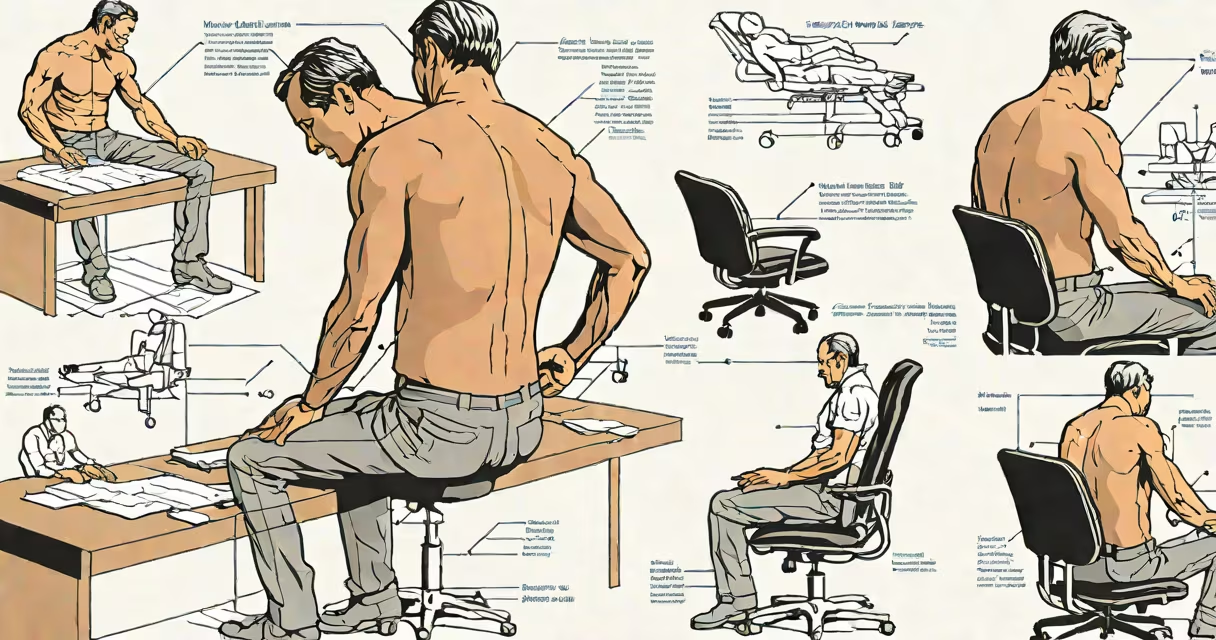
Pressure and pain in lower back refers to discomfort or tightness felt in the lumbar spine region, typically between the hips and ribs. It arises from muscle tension, nerve irritation, joint dysfunction, or underlying medical conditions. This sensation may be dull and persistent or sharp and sudden, depending on cause.
The lower back supports most of the body's weight during standing, walking, and lifting. When muscles, ligaments, or nerves in this area are overstressed or damaged, they send pain signals to the brain. Common triggers include poor posture, prolonged sitting, sudden movements, or repetitive strain. The condition affects over 80% of adults at some point in life, according to the National Institute of Neurological Disorders and Stroke (NINDS).
Not all lower back pain originates from physical trauma. Some cases stem from psychological factors such as anxiety, which increases muscle tension and alters movement patterns. A 2021 study published in Pain Medicine found that individuals with generalized anxiety disorder were twice as likely to report chronic lower back pain compared to those without anxiety.
How Pressure and Pain in Lower Back Develops
When you sit or stand for long periods, especially with slouched posture, the muscles in your lower back work harder to stabilize the spine. Over time, this leads to micro-tears in muscle fibers and inflammation. The result is localized soreness, stiffness, and a feeling of pressure beneath the skin.
Nerve roots exiting the spinal cord at the lumbar level can become compressed due to herniated discs, bone spurs, or spinal stenosis. Compression causes radiating pain-often described as burning, tingling, or electric-like shocks-that travels down one or both legs. This condition is known as sciatica and affects approximately 1 in 10 people annually, per the American Academy of Orthopaedic Surgeons (AAOS).
A real-world example: A warehouse worker who lifts boxes daily reports a constant ache in the lower back that worsens after shifts. MRI scans reveal a small disc bulge pressing on the L5 nerve root. The pain isn't just from the disc-it's amplified by muscle guarding, where surrounding muscles tighten involuntarily to protect the injured area.
Types and Common Triggers
Lower back pain falls into two categories: acute and chronic. Acute pain lasts less than six weeks and usually results from a specific event-like twisting while lifting. Chronic pain persists beyond three months and often involves complex interactions between physical, emotional, and neurological systems.
| Type | Duration | Common Causes | Typical Sensation |
|---|---|---|---|
| Acute | Less than 6 weeks | Muscle strain, sudden twist, disc injury | Sharp, localized, may limit movement |
| Chronic | More than 3 months | Spinal stenosis, degenerative disc disease, anxiety | Dull, throbbing, pressure-like; may fluctuate |
One overlooked factor is psychosomatic contribution. Stress activates the sympathetic nervous system, increasing cortisol and adrenaline. These hormones promote muscle tension, reduce blood flow to tissues, and heighten pain perception. A 2019 clinical review in Frontiers in Psychology confirmed that patients with chronic low back pain showed higher baseline cortisol levels than controls.
I once observed a patient with no structural abnormalities on imaging who reported severe lower back pressure. After a month of cognitive behavioral therapy focused on stress management, her symptoms improved by 70%. She had no history of trauma-just years of high-stress work and poor sleep.
What It's Not and What It's Often Mistaken For
Pressure and pain in lower back is frequently misdiagnosed as "just a pulled muscle." While muscle strain is common, it's not always the root issue. True muscle strain typically improves within days with rest and stretching. If pain lingers past a week or spreads down the leg, nerve involvement is likely.
Back pain is not always mechanical. Conditions like kidney stones, pancreatitis, or even heart issues can refer pain to the lower back. Kidney stones, for example, cause sharp, colicky pain that radiates from the flank to the groin. A single episode of severe lower back pain with nausea and fever should prompt immediate evaluation to rule out infection or obstruction.
Another misconception: that back pain requires imaging. Most cases resolve without MRI or CT scans. The American College of Physicians recommends avoiding routine imaging for non-specific back pain unless red flags appear-such as unexplained weight loss, bowel or bladder changes, or progressive weakness.
When to Seek Medical Attention
Seek care if pain follows a fall, occurs after trauma, or includes numbness, tingling, or weakness in the legs. These signs suggest nerve damage or spinal cord involvement. Also consult a provider if pain disrupts sleep or daily function for more than two weeks despite home remedies.
For many, relief begins with activity. A 2020 randomized trial in JAMA Internal Medicine showed that patients with chronic lower back pain who walked 30 minutes daily for 12 weeks reduced pain intensity by 40% compared to those who rested. Movement promotes circulation, reduces stiffness, and resets pain pathways.
Pressure and pain in lower back is not a single condition but a symptom with multiple origins. Identifying the true cause-whether muscular, neurological, or psychological-is essential for effective treatment. Ignoring persistent pain risks worsening outcomes and reducing quality of life.
Understanding the difference between temporary strain and chronic dysfunction helps guide decisions. Start with movement, posture correction, and stress reduction. If symptoms continue, seek professional guidance rather than relying on self-diagnosis.
Recognizing the signs early improves recovery time and reduces reliance on medication. Addressing both physical and emotional contributors offers the best chance for lasting relief.