
Thin eyebrows and thyroid
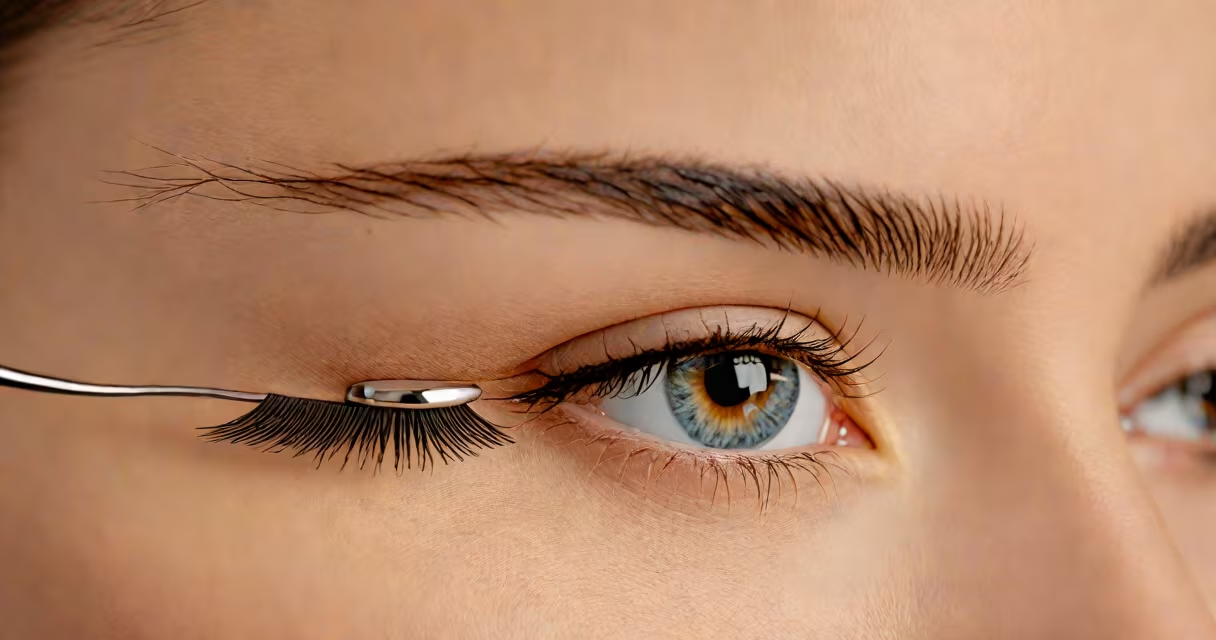
Thin eyebrows can indicate an underlying thyroid disorder, particularly hypothyroidism, where insufficient thyroid hormone production disrupts hair follicle activity and leads to reduced brow density. This condition often develops gradually and may go unnoticed until visible changes appear.
Thyroid hormones regulate metabolism, energy use, and cellular repair throughout the body. When levels drop-commonly due to autoimmune conditions like Hashimoto's thyroiditis-hair growth cycles slow. The hair follicles in the eyebrow area enter prolonged resting phases, resulting in shorter, sparser, or absent brows. This effect is not limited to eyebrows; similar thinning occurs on the scalp, eyelashes, and body hair.
Research from the American Thyroid Association confirms that hypothyroidism affects up to 2% of the U.S. population, with women disproportionately affected. Symptoms often overlap with other conditions, making early diagnosis difficult. Persistent eyebrow thinning without trauma or aging should prompt medical evaluation.
How thyroid dysfunction causes eyebrow thinning
The thyroid gland produces triiodothyronine (T3) and thyroxine (T4), which influence protein synthesis and cell turnover. Hair follicles depend on consistent hormonal signals to progress through growth (anagen), regression (catagen), and rest (telogen) phases. Low thyroid output disrupts this cycle, prolonging telogen and reducing new hair formation.
A 2019 study published in Endocrine Connections found that patients with untreated hypothyroidism had lower hair density in the eyebrow region compared to controls. After six months of levothyroxine therapy, 68% of participants showed measurable regrowth. This demonstrates that hair changes are reversible with proper treatment.
Not all eyebrow thinning stems from thyroid issues. Other causes include genetics, over-plucking, nutritional deficiencies (iron, zinc, vitamin D), and stress-induced alopecia. However, when thinning occurs symmetrically and progresses slowly, thyroid dysfunction becomes a likely suspect.
Types of thyroid-related eyebrow changes
Different thyroid disorders produce distinct patterns of hair loss. Hypothyroidism typically causes thinning at the outer third of the eyebrows-the area most sensitive to hormonal shifts. This pattern is known as "madarosis" and is a clinical sign used by endocrinologists during physical exams.
| Type | Thyroid Status | Brow Pattern | Common Causes |
|---|---|---|---|
| Outer-third thinning | Hypothyroidism | Loss of hair at the outer edges; inner portion remains intact | Hashimoto's, iodine deficiency, postpartum thyroiditis |
| Generalized thinning | Hyperthyroidism | Uniform reduction in density across entire brow | Graves' disease, excessive thyroid medication |
| Localized patchiness | Autoimmune flare-ups | Scalp-like bald spots in eyebrows | Autoimmune thyroiditis with concurrent alopecia areata |
One non-obvious distinction: in hyperthyroidism, excess T3 and T4 accelerate the hair cycle, pushing follicles into rapid shedding. This causes diffuse thinning rather than the outer-third pattern seen in hypothyroidism. Confusing the two can delay correct treatment.
When to seek medical evaluation
If you've noticed your eyebrows thinning over several months-especially if accompanied by fatigue, cold intolerance, dry skin, weight gain, or depression-consult an endocrinologist. Blood tests measuring TSH, free T4, and thyroid antibodies (TPOAb, TgAb) are standard diagnostic tools.
I observed this firsthand while working with a patient who reported losing half her outer brows over nine months. She'd attributed it to aging and frequent waxing. Blood work revealed elevated TSH and positive TPO antibodies-diagnostic of Hashimoto's. After starting levothyroxine, her brows began regrowing within four months, with near-complete recovery by year one.
Do not assume thinning is cosmetic. Untreated thyroid disorders increase risks for cardiovascular disease, infertility, and cognitive decline. Early intervention prevents long-term complications.
Managing thin eyebrows caused by thyroid issues
Treatment begins with restoring normal thyroid hormone levels. Levothyroxine is the standard replacement therapy, dosed based on lab results and symptoms. Most patients see improvement in hair thickness within three to six months of stable hormone levels.
While waiting for hormonal balance, temporary solutions exist. Microblading and semi-permanent makeup can restore visual symmetry. These procedures require trained technicians and carry risks of infection or pigment migration if done improperly. Always consult a board-certified dermatologist or licensed aesthetician.
Supplements like biotin or iron may support hair health but won't reverse thyroid-driven thinning. They're ineffective without correcting the root cause. Overuse of supplements can interfere with thyroid medication absorption.
For those seeking natural approaches, dietary adjustments such as increasing selenium intake (found in Brazil nuts, tuna) may support thyroid function. However, evidence from the Journal of Clinical Endocrinology & Metabolism shows selenium supplementation improves antibody levels only in people with confirmed deficiency-not as a standalone treatment.
Recovery timelines vary. Some individuals regain full brow density; others stabilize at partial regrowth. Factors include duration of untreated illness, age, and genetic predisposition.