
What Is a TIA in Medicine
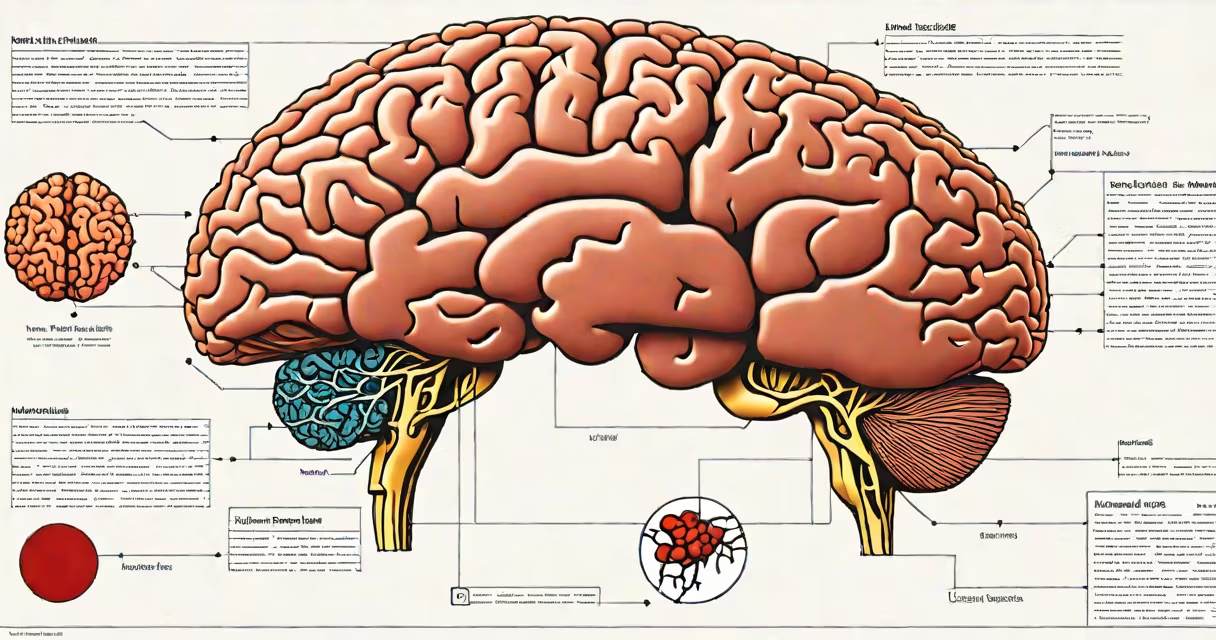
A transient ischemic attack (TIA) in medicine is a brief episode of neurological dysfunction caused by focal brain, spinal cord, or retinal ischemia without acute infarction. Symptoms last less than 24 hours and typically resolve completely. A TIA is not a stroke, but it is a medical emergency indicating high risk for a future stroke.
TIA occurs when a blood clot temporarily blocks an artery supplying blood to part of the brain. The blockage usually lasts minutes, restoring blood flow before permanent damage occurs. Despite the lack of lasting tissue injury, a TIA signals significant underlying vascular disease. According to the American Heart Association, about 1 in 3 people who have a TIA will have a stroke within 5 years if untreated.
Common symptoms include sudden weakness or numbness on one side of the body, slurred speech, vision loss in one eye, dizziness, or confusion. These mimic stroke symptoms but disappear rapidly-often within 10 to 15 minutes. Because of this, many patients delay seeking care, mistaking the episode for fatigue or stress. However, even brief episodes require immediate evaluation.
How a TIA Works
Brain cells depend on a continuous supply of oxygen-rich blood. When blood flow stops-even briefly-the affected neurons stop functioning. This causes symptoms based on the region involved. For example, blockage in the middle cerebral artery may cause facial droop and arm weakness. Once circulation resumes, function returns, but the episode leaves a warning sign.
The most common cause is atherosclerosis-plaque buildup in arteries-leading to clot formation. Emboli from the heart, especially in atrial fibrillation, can also travel to the brain and cause a TIA. Other contributors include blood disorders, vasospasm, and severe hypertension.
Neuroimaging during a TIA often shows no structural changes. MRI scans may detect subtle microvascular changes, but standard CT scans appear normal. This absence of visible damage makes TIAs easy to overlook-but they are not harmless.
Types and Triggers of TIA
TIAs are classified by location and mechanism:
| Type | Cause | Frequency |
|---|---|---|
| Cardioembolic | Clots from heart (e.g., due to atrial fibrillation) | ~20% |
| Large artery atherosclerosis | Plaque in carotid or vertebral arteries | ~40% |
| Small vessel occlusion | Blockage in tiny penetrating vessels | ~30% |
| Other rare causes | Arteritis, hypercoagulable states | <5% |
Each type requires different diagnostic approaches. Cardioembolic TIAs often involve irregular heart rhythms. Large artery TIAs may show narrowing on carotid ultrasound. Small vessel events are linked to hypertension and diabetes.
Triggers vary. Stress, dehydration, or sudden posture changes can precipitate a TIA in someone with unstable plaque. Alcohol and stimulants may also increase risk. But the primary factor remains uncontrolled vascular risk factors-high blood pressure, high cholesterol, smoking, and diabetes.
Why Immediate Evaluation Matters
Every TIA is a red flag. The National Institute of Neurological Disorders and Stroke (NINDS) states that up to 10% of people who experience a TIA have a stroke within 90 days. Half of those strokes occur within the first 48 hours. Delayed treatment increases the chance of permanent disability or death.
After a TIA, doctors perform a full workup: MRI or CT scan, carotid ultrasound, echocardiogram, and blood tests for clotting disorders and metabolic issues. Patients are often started on antiplatelet drugs like aspirin or clopidogrel within hours of symptom onset.
I once saw a patient arrive at the ER with slurred speech and left-sided weakness that resolved in 12 minutes. He had no history of stroke. Brain MRI showed no infarct, but diffusion-weighted imaging revealed a small area of restricted diffusion-indicating very recent ischemia. He was admitted, started on dual antiplatelets, and underwent carotid angiography. A 70% stenosis was found and treated with stenting. He avoided a major stroke.
Common Misconceptions and Corrections
Many assume a TIA is "just a warning" and not serious. That's false. A TIA is a stroke in progress. The brain doesn't distinguish between a TIA and a full stroke for risk. The difference is timing and outcome-not severity.
Another myth: "If symptoms go away, nothing happened." Not true. The absence of permanent damage doesn't mean the underlying problem disappeared. In fact, the same process that caused the TIA can recur-and lead to irreversible brain injury.
Some confuse TIA with seizures or migraines. Seizures often involve altered consciousness, repetitive movements, or post-ictal confusion. Migraines may cause visual aura but rarely affect motor control. A TIA typically involves unilateral weakness, speech difficulty, or sensory loss-without headache or prolonged disorientation.
Next Steps After a TIA
Immediate action is essential. The American Stroke Association recommends evaluation within 24 hours of symptom onset. Most hospitals have TIA clinics that assess patients within 6 hours.
Treatment focuses on preventing recurrence. This includes medications like anticoagulants or antiplatelets, managing blood pressure and cholesterol, quitting smoking, and adopting a heart-healthy diet. Surgery such as carotid endarterectomy may be recommended for significant stenosis.
Recovery varies. Some people return to normal activities within days. Others face lingering fatigue or cognitive changes. Long-term follow-up is important. Studies show that 80% of recurrent strokes happen in people who didn't receive secondary prevention therapy.