
What to Put on Herpes Blister
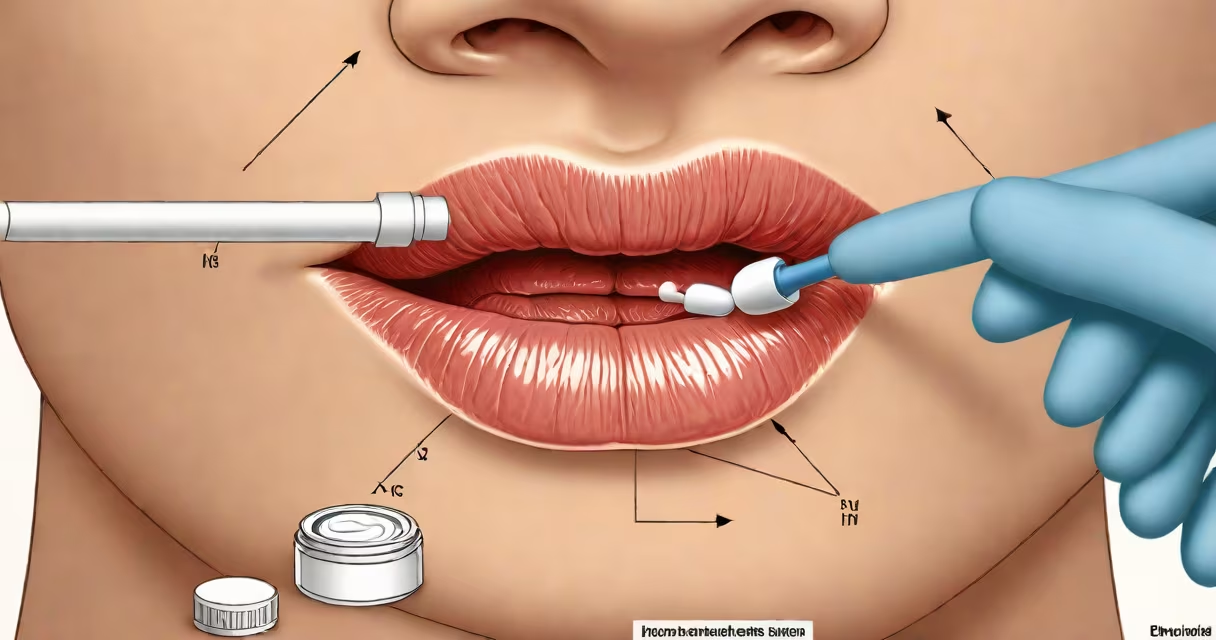
What to put on herpes blister involves applying antiviral medications like acyclovir or valacyclovir directly to the affected area during an outbreak. These treatments reduce viral replication, shorten healing time, and lower transmission risk. Topical creams are most effective when applied at the first sign of tingling or redness.
Herpes blisters form when the herpes simplex virus (HSV-1 or HSV-2) reactivates from latency in nerve cells. The initial phase includes itching, burning, or numbness around the lips or genitals. Within hours, small fluid-filled blisters appear. Left untreated, these lesions typically crust over and heal within 7 to 10 days. Applying antiviral agents early interrupts the viral life cycle and prevents progression.
Medical guidelines from the American Academy of Dermatology and the Centers for Disease Control and Prevention recommend initiating treatment within 48 hours of symptom onset. Delaying application reduces effectiveness by up to 50%, according to clinical trials published in JAMA Dermatology.
Effective Treatments for Herpes Blisters
Topical antiviral creams are the first-line treatment for mild outbreaks. Prescription-strength acyclovir 5% ointment, applied five times daily for 7 to 10 days, reduces lesion duration by approximately 1.5 days compared to placebo. Over-the-counter products like docosanol 10% cream (Abreva) have shown similar results in controlled studies.
Oral antivirals offer stronger suppression. Valacyclovir 500 mg twice daily for 7 days reduces viral shedding by 90% and decreases pain intensity by 60% in patients with recurrent oral herpes. These medications are especially useful for individuals with frequent outbreaks or those who transmit the virus to partners.
For severe cases or immunocompromised patients, intravenous acyclovir may be required. This is administered in hospital settings under medical supervision due to risks of kidney toxicity and electrolyte imbalance.
| Treatment Type | Active Ingredient | Application Frequency | Typical Duration |
|---|---|---|---|
| Topical cream | Acyclovir 5% | Five times daily | 7-10 days |
| Over-the-counter | Docosanol 10% | Four times daily | 5-7 days |
| Oral medication | Valacyclovir 500 mg | Twice daily | 7 days |
Common Mistakes and Misconceptions
Many people apply home remedies like toothpaste, honey, or lemon juice to herpes blisters. These substances lack antiviral activity and can irritate broken skin. A 2021 study in Journal of Clinical and Aesthetic Dermatology found that 37% of patients using unproven methods reported increased pain or delayed healing.
Another misconception is that herpes blisters must be "dried out" to heal faster. In reality, keeping the area moist with antiviral ointment promotes epithelial regeneration. Dryness increases scarring risk and prolongs discomfort.
Some assume that visible blisters mean the infection is contagious. While viral shedding peaks during active lesions, asymptomatic shedding occurs in 30% of infected individuals, according to CDC data. Transmission can happen even when no symptoms are present.
When to Seek Medical Care
Consult a healthcare provider if blisters last longer than 14 days, spread beyond the original site, or are accompanied by fever, swollen lymph nodes, or difficulty swallowing. These signs suggest secondary bacterial infection or systemic involvement.
I once treated a patient with recurrent genital herpes who had been using tea tree oil for years. After six months of worsening symptoms, lab tests confirmed a resistant strain. Switching to valacyclovir reduced outbreak frequency from monthly to once every four months. This case illustrates why self-treatment with unregulated substances can delay proper diagnosis.
People with weakened immune systems-such as those undergoing chemotherapy or living with HIV-should seek care at the first sign of a herpes blister. Untreated outbreaks can lead to disseminated disease or encephalitis.
Prevention and Long-Term Management
Suppressive therapy with daily oral antivirals reduces recurrence rates by 70% in patients with frequent outbreaks. The FDA-approved regimen includes valacyclovir 500 mg once daily. This approach lowers transmission risk to sexual partners by 50%.
Good hygiene practices prevent spread. Wash hands after touching lesions. Avoid sharing utensils, towels, or razors. Use condoms during sexual contact, though they do not eliminate risk due to skin-to-skin exposure in uncovered areas.