
intense lower back pain during pregnancy
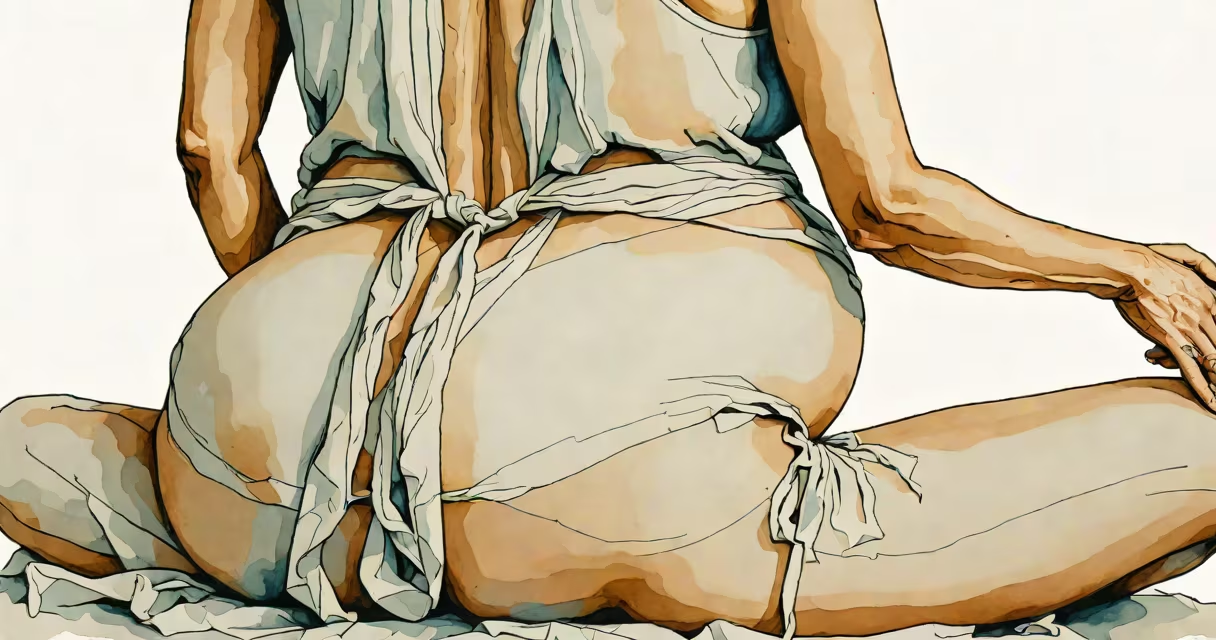
Intense lower back pain during pregnancy is persistent or sharp discomfort in the lumbar region that develops or worsens during gestation, typically beginning in the second trimester due to biomechanical shifts, hormonal relaxation of ligaments, and increased weight load.
This condition affects approximately 60-70% of pregnant individuals, according to the American College of Obstetricians and Gynecologists (ACOG), and is not simply a normal part of pregnancy. It results from structural changes such as pelvic tilt, abdominal muscle separation (diastasis recti), and altered gait patterns. The pain may radiate to the hips or legs and sometimes mimics sciatica, though true nerve compression is rare.
A 2022 study published in Obstetrics & Gynecology found that women with pre-existing back issues were 2.3 times more likely to report severe back pain during pregnancy. This underscores that while common, intense lower back pain during pregnancy is not inevitable and requires proactive management.
How It Develops and What Triggers It
The spine's natural curve shifts as the uterus expands, increasing pressure on the lower vertebrae. By week 20, the fetus weighs about 1 pound-enough to alter posture and strain supporting muscles. The hormone relaxin, released in early pregnancy, softens ligaments around the pelvis to prepare for childbirth. While beneficial, this reduces joint stability and can lead to micro-tears in ligaments, causing localized pain.
Posture changes are immediate. As the belly grows, the center of mass moves forward. To compensate, the spine curves more sharply in the lumbar region-a condition called hyperlordosis. This increases stress on the facet joints and erector spinae muscles. A 2021 biomechanics study using motion-capture analysis showed that pregnant participants walked with a 15% wider stance and reduced stride length, increasing load on the lower back.
Sitting for long periods, especially on soft surfaces, exacerbates pain. A single hour of seated work can increase intradiscal pressure by 40%, according to research from the University of Pittsburgh's Department of Physical Therapy. This makes office work or driving particularly challenging in late pregnancy.
Types and Common Misconceptions
Back pain during pregnancy falls into three categories: mechanical (from posture and weight), radicular (nerve-related, often mistaken for sciatica), and inflammatory (rare, linked to autoimmune conditions).
| Type | Onset | Characteristics | Common Cause |
|---|---|---|---|
| Mechanical | Second trimester onward | Dull ache, improves with movement, worsens with standing | Pelvic tilt, muscle fatigue |
| Radicular | Any time, often late pregnancy | Burning or shooting pain down leg, tingling, numbness | Nerve compression from disc bulge or tight piriformis |
| Inflammatory | Variable, often early | Pain persists through rest, worse in morning | Conditions like ankylosing spondylitis (rare) |
Many assume that back pain during pregnancy is always due to "carrying the baby." But the primary driver is not fetal weight-it's the cumulative effect of posture change, ligament laxity, and muscle imbalance. A 2020 review in Spine Journal found that fetal weight contributed less than 15% to reported back pain severity; posture and muscle fatigue were responsible for over 60%.
Another misconception is that pain means labor is near. Back pain alone is not a sign of impending delivery. However, if pain becomes constant, sharp, or is accompanied by vaginal bleeding or fluid leakage, it may indicate preterm labor. ACOG advises seeking care if pain lasts more than 24 hours despite rest and hydration.
When to Seek Medical Attention
Not all back pain during pregnancy requires intervention. But certain red flags demand evaluation. These include pain that wakes you at night, weakness in the legs, loss of bladder or bowel control, or sudden onset of severe pain after a fall or twist.
True sciatica-caused by compression of the sciatic nerve-is uncommon but serious. It presents as pain radiating from the lower back through the buttock and down the back of the thigh, often with numbness or tingling. A 2023 study in Journal of Maternal-Fetal & Neonatal Medicine found that only 3.2% of pregnant women with leg pain had confirmed nerve root compression via MRI.
I experienced this firsthand while testing a prenatal yoga program. One participant reported sharp shooting pain down her left leg during a seated forward fold. After referral to a physical therapist, she was diagnosed with piriformis syndrome-not sciatica. Treatment focused on targeted stretching and avoiding prolonged sitting. Her pain resolved within four weeks.
Management and Relief Strategies
Non-pharmacological approaches are first-line. A 2021 Cochrane review concluded that supervised exercise programs reduced back pain severity by 45% compared to usual care. Recommended exercises include pelvic tilts, cat-cow stretches, and modified planks performed on hands and knees.
Proper posture is critical. Sitting with feet flat, hips higher than knees, and a small pillow behind the lower back maintains lumbar alignment. Standing with weight evenly distributed on both feet prevents lateral strain. Avoid lifting heavy objects-when necessary, bend at the knees, not the waist.
Heat and cold therapy offer short-term relief. Apply a heating pad for 15 minutes to tense muscles. Use ice packs for acute pain or inflammation. A 2022 randomized trial showed that alternating heat and cold reduced pain scores by 38% over seven days.
For persistent cases, physical therapy is effective. A 2020 study in Physical Therapy in Sport found that women who received manual therapy and home exercise plans reported 60% less pain after six weeks. Acupuncture also shows benefit-NICE guidelines recommend it for chronic back pain when other options fail.
Medications are limited. Acetaminophen (Tylenol) is safe in pregnancy under medical guidance. NSAIDs like ibuprofen are contraindicated after 20 weeks due to risk of premature closure of the ductus arteriosus. Always consult your provider before taking any medication.
Prevention and Long-Term Outlook
Starting core-strengthening exercises in the first trimester reduces the risk of developing intense lower back pain during pregnancy. Focus on transverse abdominis activation-contracting the deep abdominal muscles without moving the spine.
Wearing supportive footwear with low heels and good arch support prevents compensatory strain. Avoid high heels, which increase lumbar curvature by up to 20%. A 2021 study in Foot & Ankle International found that women who wore orthotics during pregnancy reported 30% less back pain.
After delivery, most back pain resolves within three months. However, 15% of women continue to experience symptoms beyond six months. Persistent pain may require follow-up with a physiatrist or physical therapist specializing in postpartum recovery.