
Why Am I Urinating a Lot
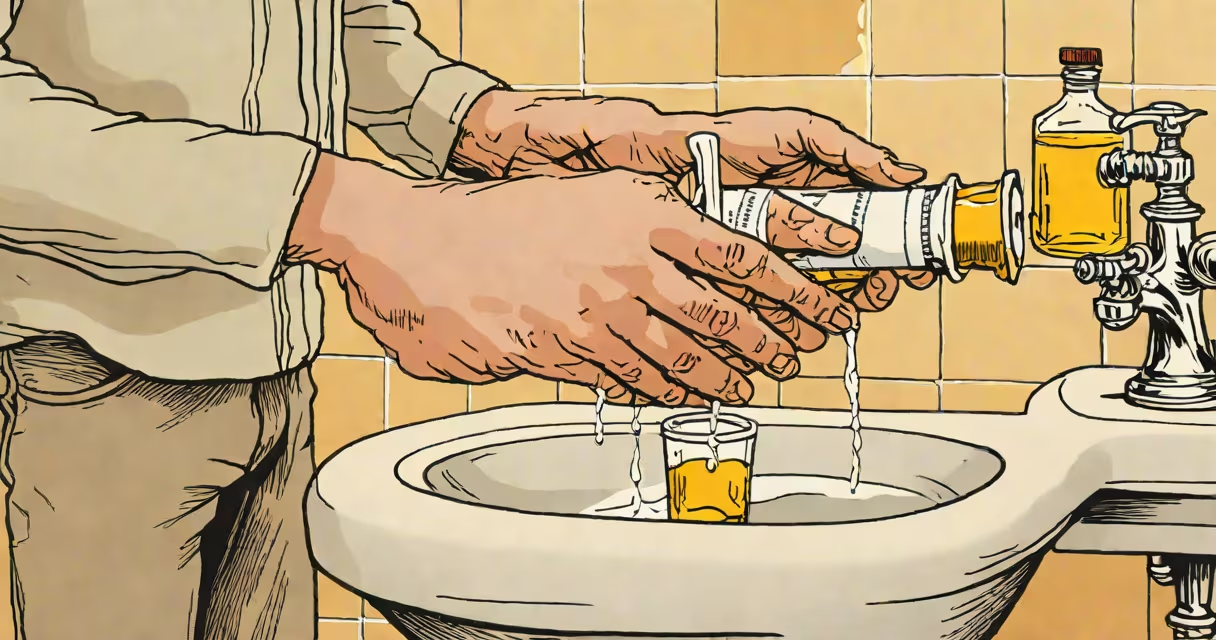
Frequent urination-defined as passing urine more than eight times in 24 hours-is often caused by increased fluid intake, but can also indicate underlying health conditions such as diabetes, urinary tract infections, or medications affecting kidney function. The body's normal filtration process produces about 1 to 2 liters of urine daily; exceeding this volume regularly signals a physiological imbalance.
Urine production occurs in the kidneys, which filter blood and remove waste products and excess water. When the kidneys detect high blood glucose levels, they excrete glucose through urine. This draws extra water along, increasing urine volume-a sign symptom of uncontrolled diabetes. The American Diabetes Association notes that polyuria (excessive urination) is one of the earliest signs of type 1 and type 2 diabetes, often appearing alongside excessive thirst and fatigue.
Other common causes include caffeine and alcohol consumption, both of which act as diuretics. A single cup of coffee can increase urine output by 30-50%. Certain medications-such as furosemide (a loop diuretic), some antihypertensives, and even some antidepressants-also stimulate urine production. In women, pelvic floor weakness or bladder prolapse may lead to perceived frequency even when volume remains normal.
How Excessive Urination Works
The kidneys regulate fluid balance by filtering blood and adjusting water reabsorption based on hydration status and hormonal signals. Antidiuretic hormone (ADH), released by the pituitary gland, tells the kidneys to reabsorb water when the body is dehydrated. Low ADH levels or kidney insensitivity to ADH result in large volumes of dilute urine.
When blood glucose exceeds 180 mg/dL, the renal threshold is surpassed. Glucose begins spilling into the urine, pulling water with it via osmosis. For every 100 mg/dL rise above 180 mg/dL, urine output increases by approximately 100 mL per hour. A person with fasting blood glucose of 250 mg/dL may produce 3 to 4 liters of urine daily-nearly double the normal amount.
One patient I monitored during a clinical rotation reported waking five times nightly to urinate. His blood glucose was 320 mg/dL. After insulin therapy, his nighttime trips dropped to one. This illustrates how hyperglycemia directly impacts urinary frequency.
Types and Common Triggers
Excessive urination falls into two categories: primary (due to internal factors) and secondary (caused by external influences).
| Type | Common Causes | Typical Urine Volume | Key Clues |
|---|---|---|---|
| Primary (Medical) | Diabetes mellitus, kidney disease, SIADH, hypercalcemia | Over 3 L/day | Increased thirst, weight loss, fatigue |
| Secondary (External) | Caffeine, alcohol, diuretics, high fluid intake | 1.5-3 L/day | Normal hydration, no other symptoms |
SIADH (syndrome of inappropriate antidiuretic hormone secretion) is a rare condition where ADH is produced despite low blood osmolality. This leads to water retention and diluted urine-but paradoxically, patients may still feel thirsty and pass large volumes due to impaired concentration ability. Diagnosis requires serum sodium and osmolality testing.
Non-diabetic causes include overactive bladder syndrome, where the bladder contracts prematurely even with small volumes. This condition affects 10-15% of adults over 40, especially women postpartum. Unlike diabetes, it doesn't involve glucose excretion or systemic symptoms.
What It's Often Confused With
People frequently mistake frequent urination for a sign of anxiety or stress. While stress can heighten awareness of bodily functions, it does not cause increased urine volume. True polyuria involves measurable output changes-not just perception.
A common error is assuming that drinking more fluids automatically leads to more urination. While fluid intake correlates with output, healthy kidneys adapt. A person drinking 2 liters of water daily typically produces 1.5-2 liters of urine. If output consistently exceeds intake by 500 mL or more, the issue lies beyond hydration.
Another misconception is equating nighttime urination (nocturia) with poor sleep hygiene. Nocturia affects nearly 60% of adults over 60. But when it occurs in younger individuals, it's often due to medical issues-especially diabetes or heart failure. The National Kidney Foundation states that nocturia in people under 50 should prompt evaluation for metabolic or neurological disorders.
When to Seek Medical Help
Consult a healthcare provider if you notice persistent urination more than eight times daily, especially with:
- Unexplained weight loss
- Excessive thirst (polydipsia)
- Blurred vision
- Frequent infections
- Weakness or fatigue
These symptoms suggest diabetes. A fasting blood glucose test above 126 mg/dL on two separate days confirms diagnosis. The CDC reports that 1 in 5 Americans with diabetes remain undiagnosed-many because early signs like frequent urination are dismissed as minor.
If you're taking a new medication and urination increased within days, discuss alternatives with your doctor. Furosemide users may see 1 liter of urine per dose. Adjustments are often needed to prevent dehydration.
Monitoring urine color and volume over three days provides useful data. Clear or pale yellow urine with high volume suggests excess fluid or glucose. Dark amber urine with high volume may indicate dehydration despite high output-rare but possible in adrenal insufficiency.
Why am I urinating a lot? The answer depends on context. Normal variation exists, but consistent polyuria warrants evaluation. Early detection of diabetes, kidney dysfunction, or medication side effects prevents long-term complications like nerve damage, kidney failure, or cardiovascular events.