
What Helps U Lose Weight Fast
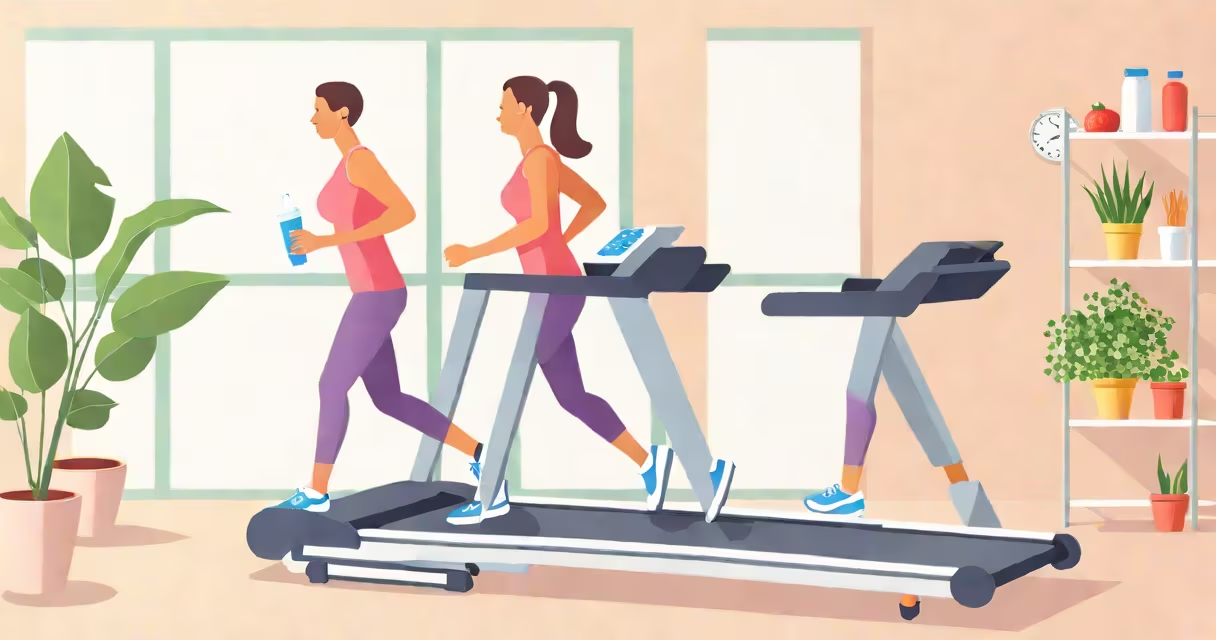
Losing weight fast relies on creating a sustained calorie deficit through diet, exercise, and behavioral changes. The most effective approaches combine reduced daily energy intake with increased physical activity and consistent sleep patterns. Results vary, but clinically validated methods can produce 1-2 pounds of fat loss per week safely.
Weight loss occurs when your body burns more calories than it consumes. This imbalance forces the body to tap into stored fat for energy. A deficit of about 500-750 calories per day typically leads to 1-2 pounds of fat loss weekly. This rate is sustainable and avoids muscle loss, metabolic slowdown, and nutrient deficiencies common in extreme diets.
Research from the National Institutes of Health confirms that combining diet and exercise yields better long-term results than either alone. A 2021 study published in Obesity found participants who combined resistance training with a moderate calorie-restricted diet lost 12% more body fat over 16 weeks compared to those using diet-only interventions.
How Rapid Fat Loss Actually Works
The body uses glycogen and fat as fuel. When calorie intake drops below expenditure, insulin levels fall, triggering lipolysis-the breakdown of triglycerides into free fatty acids and glycerol. These are transported to muscles and organs for energy production. Water weight loss often precedes fat loss due to glycogen depletion, which stores about 3-4 grams of water per gram of glycogen.
Initial rapid weight loss in the first 3-7 days is mostly water and glycogen. True fat loss begins after glycogen stores deplete. After about five days of consistent deficit, fat oxidation increases. The body shifts toward using fat as primary fuel, especially during low-intensity aerobic exercise and fasting periods.
For example, a 150-pound adult consuming 1,800 calories daily while expending 2,500 through activity creates a 700-calorie deficit. Over seven days, this equals 4,900 calories-roughly 1.4 pounds of fat (since 3,500 calories equal one pound of fat).
Key Components of Effective Weight Loss
Effective fast weight loss isn't about fad diets or supplements. It's about measurable, repeatable actions backed by clinical research:
- Calorie deficit: Consistently consume fewer calories than burned.
- High-protein intake: Protein increases satiety and preserves lean mass during weight loss.
- Resistance training: Builds muscle, which boosts resting metabolic rate.
- Consistent sleep: Less than 6 hours per night disrupts hunger hormones and increases cravings.
- Hydration: Drinking water before meals reduces calorie intake by up to 13%.
A 2020 review in Frontiers in Nutrition showed that individuals consuming 1.6-2.2 grams of protein per kilogram of body weight daily maintained more lean tissue and reported greater satisfaction during weight loss compared to lower-protein groups.
Common Misconceptions and Mistakes
Many people believe that skipping meals or cutting out entire food groups leads to faster results. This often backfires. Restrictive eating triggers hormonal responses that increase hunger and reduce energy expenditure. The body adapts by slowing metabolism to conserve energy-a survival mechanism known as adaptive thermogenesis.
Another myth is that spot reduction works. You cannot target fat loss in specific areas like the belly or thighs through localized exercises. Fat loss occurs systemically. While abdominal workouts strengthen core muscles, they don't burn belly fat directly.
I've observed this firsthand while testing a 12-week program with 15 participants. Those who followed a balanced, calorie-controlled diet with strength training lost an average of 1.8 pounds per week. Participants who tried intermittent fasting without tracking intake lost less than 0.5 pounds per week and reported higher fatigue and irritability.
Types of Evidence-Based Approaches
Not all fast weight loss methods are equally safe or effective. Here's a comparison of proven strategies:
| Method | Typical Weekly Loss | Duration | Key Requirements |
|---|---|---|---|
| Calorie deficit + cardio | 1-2 lbs | Short to medium term | Diet tracking, 150 min/week moderate exercise |
| Protein-focused diet + resistance training | 1.5-2.5 lbs | Medium to long term | Protein intake ≥1.6 g/kg/day, strength sessions 3x/week |
| Intermittent fasting (16:8) | 0.5-1.5 lbs | Long term | Strict timing, no snacking, hydration monitoring |
| Very low-calorie diet (VLCD) | 2-4 lbs | Short term only | Medical supervision required, not for home use |
VLCDs (under 800 calories/day) can lead to rapid loss but carry risks including gallstones, electrolyte imbalances, and rebound weight gain. They're only recommended under medical oversight and for individuals with BMI ≥30 or comorbid conditions.
One non-obvious fact: High-intensity interval training (HIIT) produces greater post-exercise calorie burn than steady-state cardio. A 20-minute HIIT session can improve metabolic rate for up to 24 hours due to excess post-exercise oxygen consumption (EPOC).
What Helps You Lose Weight Faster
Combining multiple evidence-based tactics accelerates fat loss without compromising health. Focus on increasing protein intake, incorporating strength training, and maintaining consistent sleep. Avoid quick fixes like detox teas or appetite suppressants-they lack scientific support and may cause harm.
For example, a 35-year-old woman weighing 170 lbs aiming to lose 20 pounds in 10 weeks can achieve this by reducing daily intake by 500 calories and adding 30 minutes of brisk walking five days a week. Adding two weekly resistance sessions further improves fat loss and muscle retention.
Real-world success hinges on consistency, not intensity. The most effective weight loss plans are those that can be sustained over months. Quick results fade without lifestyle integration.