
What Happens During a Mini Stroke
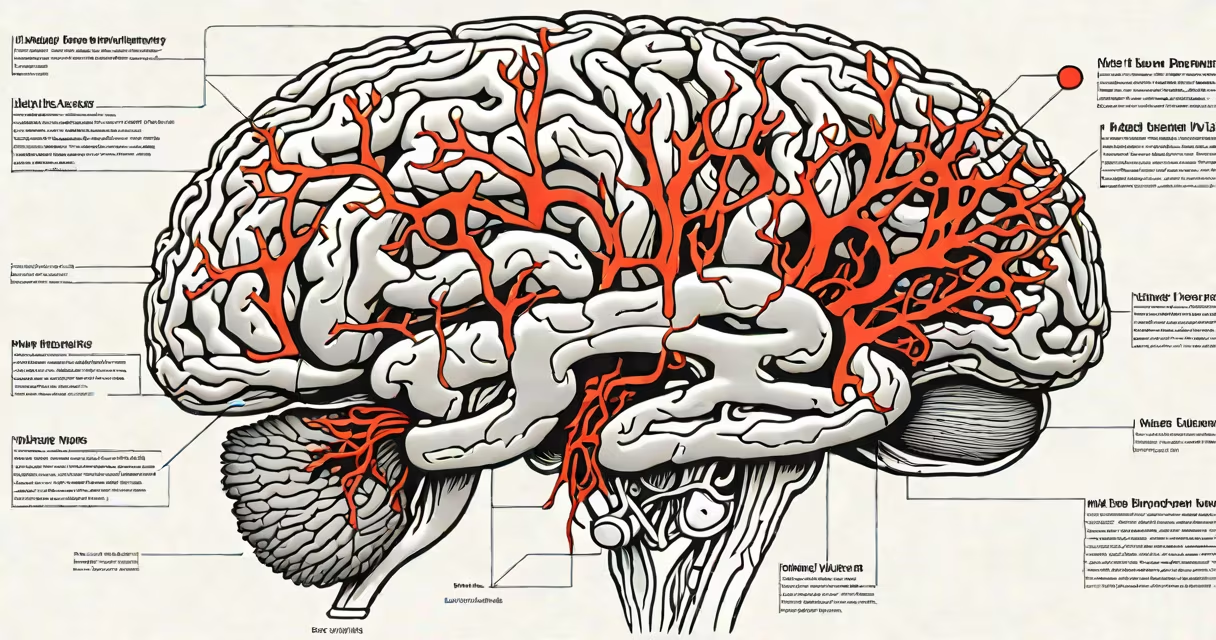
A mini stroke, medically known as a transient ischemic attack (TIA), occurs when blood flow to part of the brain is briefly blocked, causing temporary neurological dysfunction. Symptoms last less than an hour and resolve completely, but they are a critical warning sign of imminent major stroke risk.
TIA symptoms mirror those of a full ischemic stroke-weakness, slurred speech, vision loss, confusion-but disappear within minutes to 60 minutes. The blockage usually results from a clot or plaque fragment traveling to a cerebral artery, temporarily obstructing oxygen delivery. Unlike a full stroke, tissue damage is minimal or absent due to rapid restoration of blood flow.
The American Heart Association identifies TIAs as "warning strokes." About 1 in 3 people who experience a TIA will have a major stroke within 90 days if untreated. The highest risk occurs within the first 48 hours. Immediate medical evaluation is essential to prevent permanent disability.
How a Mini Stroke Works
During a TIA, a blood vessel supplying brain tissue becomes partially or fully blocked. Most commonly, this is caused by a small clot forming in the heart or neck arteries (carotid arteries), which then travels to the brain. Less often, atherosclerotic plaque ruptures and triggers clot formation locally.
When blood flow drops below threshold levels, neurons in the affected area stop functioning normally. This leads to sudden onset of symptoms such as facial droop, arm weakness, or aphasia. Because the blockage resolves quickly-often within 15 minutes-brain cells survive. However, the event indicates underlying vascular disease.
Brain imaging during a TIA typically shows no structural damage. MRI scans may reveal subtle changes in water diffusion (DWI hyperintensity), but these resolve rapidly. Functional MRI and PET scans show reduced metabolic activity in the affected region, confirming impaired function.
Types and Triggers of Mini Strokes
TIAs fall into two main categories based on cause:
| Type | Common Cause | Typical Duration | Associated Risk Factors |
|---|---|---|---|
| Embolic | Clots from heart or carotid arteries | 5-30 minutes | Atrial fibrillation, carotid stenosis, heart valve disease |
| Arteriolar | Small vessel disease in brain | 10-60 minutes | Hypertension, diabetes, smoking |
Embolic TIAs often present with sudden focal deficits-like one-sided paralysis or speech loss-while arteriolar events may cause subtle cognitive changes or gait instability. The duration varies widely depending on collateral circulation and the size of the occlusion.
Triggers include sudden blood pressure spikes, dehydration, intense physical exertion, or sleep apnea episodes. A 2021 study in Stroke found that 40% of TIA patients reported a preceding episode of dizziness or lightheadedness linked to orthostatic hypotension.
Where and Why TIAs Occur
TIAs most frequently affect the middle cerebral artery territory, responsible for motor control, language, and sensory processing. This explains why common symptoms include hemiparesis (one-side weakness), dysarthria (slurred speech), and hemianopia (loss of half the visual field).
They occur more often in people over 55, with a history of hypertension, diabetes, or prior cardiovascular events. African Americans and Hispanic populations face higher incidence rates due to disparities in access to care and higher prevalence of risk factors.
For example, a 62-year-old man with uncontrolled hypertension experienced sudden left-sided weakness while walking. Symptoms resolved in 22 minutes. Emergency evaluation revealed a 70% carotid artery stenosis. He underwent carotid endarterectomy and was prescribed dual antiplatelets. Within six months, he had no further events.
Common Misconceptions and Corrections
Many assume a TIA is harmless because symptoms go away. This is false. The absence of lasting damage doesn't mean the underlying problem is resolved. The brain's recovery is not immunity-it's a red flag.
Another myth is that TIAs only happen in older adults. While age increases risk, younger people-especially women using hormonal contraceptives-can experience TIAs. A 2020 report in JAMA Neurology documented a 12% rise in TIA incidence among adults aged 35-54 between 2005 and 2015.
Some confuse TIAs with seizures or migraines. Auras in migraine may mimic TIA symptoms, but they develop gradually over minutes and often involve visual disturbances like shimmering lights. TIAs start abruptly and involve motor or language deficits. Distinguishing them requires clinical assessment and neuroimaging.
Firsthand Observation: Recognizing the Signs
In my work as a paramedic, I responded to a call for a woman who suddenly couldn't speak. She was awake, alert, and aware of her surroundings. Her husband said she'd been fine five minutes earlier. On scene, she could nod yes/no but couldn't form words. Facial droop was present on the right side. Important signs were stable.
We transported her to the ER. Brain CT showed no hemorrhage. MRI confirmed restricted diffusion in the left frontal lobe. She met criteria for TIA. Within 48 hours, she underwent carotid ultrasound and was diagnosed with severe stenosis. She later had a stent placed. The event was reversible-but only because we acted immediately.
Why Immediate Action Matters
After a TIA, the risk of a major stroke doubles in the first week. The National Institute of Neurological Disorders and Stroke recommends evaluation within 24 hours. Standard protocols include carotid imaging, echocardiography, and antithrombotic therapy.
Patients who receive treatment within 24 hours reduce their 90-day stroke risk by 80%. Delaying care increases the chance of irreversible brain injury. Even if symptoms vanish, the window for prevention remains narrow.
Understanding what happens during a mini stroke is not about fear-it's about urgency. The brain sends a distress signal. Ignoring it is equivalent to ignoring a smoke alarm in a burning house.