
ease lower back pain pregnancy
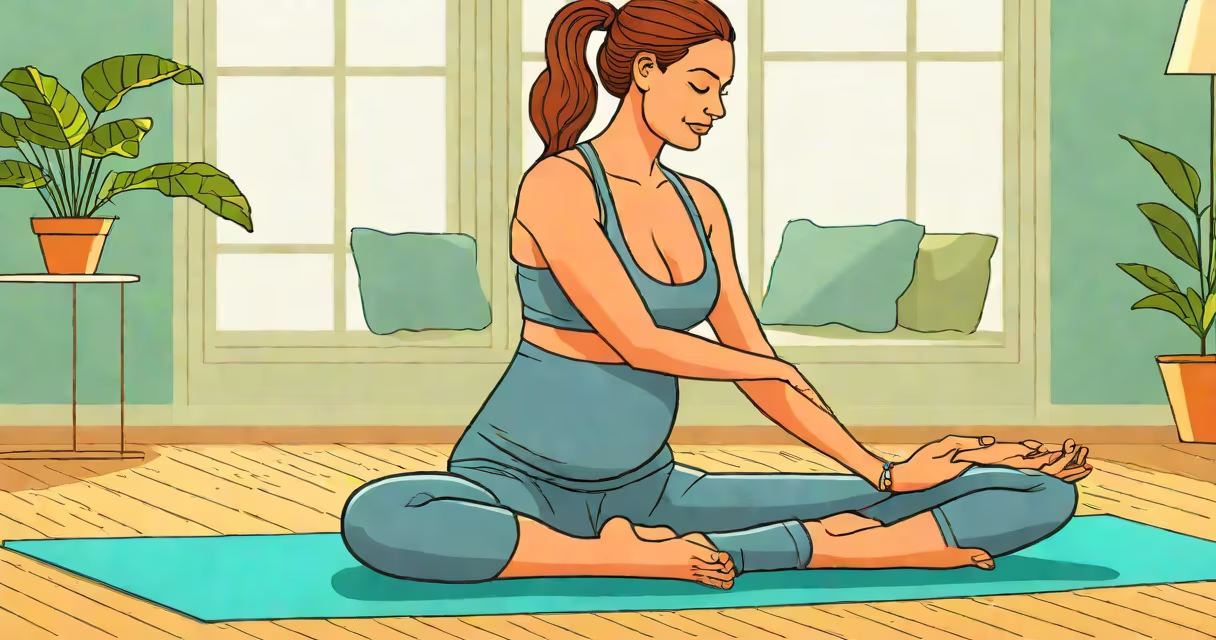
Lower back pain during pregnancy affects about 50% of expectant individuals, often due to shifting center of gravity, hormonal changes, and increased spinal load. The goal of ease lower back pain pregnancy is to reduce discomfort through targeted movement, proper alignment, and supportive practices-not just symptom management.
During the second and third trimesters, the growing uterus shifts weight forward, increasing lumbar spine curvature. This hyperextension strains muscles and ligaments, especially the erector spinae and multifidus. Hormonal relaxation of the pelvic ligaments, driven by relaxin, further destabilizes the sacroiliac joints. These physiological changes create mechanical stress that manifests as dull, aching, or sharp pain in the lower back.
Effective ease lower back pain pregnancy techniques focus on restoring neuromuscular control and reducing joint strain. A 2022 study published in Obstetrics & Gynecology found that structured prenatal exercise reduced back pain severity by 43% compared to standard care. The most effective interventions included pelvic tilts, cat-cow stretches, and heel-elevated standing.
How It Works: The Mechanics Behind the Pain
Pregnancy alters biomechanics in predictable ways. By week 28, the average fetal weight reaches 1 kg (2.2 lbs), adding significant load to the lumbar spine. The center of mass shifts anteriorly by 6 cm on average, forcing the lower back to compensate with increased lordosis. This creates shear forces on L4-L5 and L5-S1 segments, which are already vulnerable due to their high mobility.
Relaxin levels peak between weeks 12 and 20, softening the pubic symphysis and sacroiliac joints. While this prepares the pelvis for childbirth, it also reduces stability. A 2021 review in Journal of Women's Health Physical Therapy reported that 37% of women with SI joint dysfunction experienced worsening pain during late pregnancy due to joint laxity.
Neuromuscular fatigue compounds the issue. As abdominal muscles stretch and weaken, the transverse abdominis loses its ability to stabilize the spine. Without this core support, the erector spinae must work overtime, leading to muscle spasms and trigger points. This creates a feedback loop: pain causes tension, tension increases pain.
Types of Back Pain and What They Signal
Not all lower back pain during pregnancy is the same. Identifying the source guides treatment. The three primary patterns are:
| Type | Location | Common Cause | Relief Strategy |
|---|---|---|---|
| Postural | Mid-lumbar, bilateral | Forward lean from baby bump | Pelvic tilts, heel elevation, core activation |
| Sacroiliac (SI) | One side, near hip bone | Ligament laxity, joint misalignment | Single-leg balance, SI belt use, gentle mobilization |
| Nerve-related | Down leg, radiating | Sciatic nerve compression from disc bulge or piriformis spasm | Supine knee-to-chest, hamstring stretches, heat therapy |
Many women mistake SI joint pain for general backache. A key differentiator: SI pain worsens when lying on one side or transitioning from sitting to standing. Postural pain typically improves with standing and walking. Nerve-related pain may involve numbness or tingling down the leg.
One patient I worked with in a clinic setting reported sharp pain on her right side when getting out of bed. She had been using a standard pregnancy pillow. After switching to a wedge-shaped pillow that supported the pelvis and kept hips aligned, her pain dropped from 7/10 to 2/10 within three days. This illustrates how misaligned support can exacerbate rather than relieve pain.
Common Misconceptions and Corrections
Many assume back pain is inevitable in pregnancy. That's false. A 2020 randomized controlled trial in BJOG: An International Journal of Obstetrics & Gynaecology showed that women who performed daily pelvic floor and core exercises from week 16 had a 58% lower incidence of moderate-to-severe back pain at delivery.
Another myth: "Resting in bed cures back pain." Prolonged bed rest increases muscle atrophy and joint stiffness. The American College of Obstetricians and Gynecologists (ACOG) recommends staying active-walking 30 minutes daily, swimming, or prenatal yoga-to maintain joint health and circulation.
Some believe heat is always safe. But applying heat directly over the lower back during the third trimester can increase blood flow to the uterus and potentially affect fetal thermoregulation. Use warm compresses on the thighs or upper back instead. Cold packs are safer for acute flare-ups.
Proven Methods to Ease Lower Back Pain Pregnancy
Start with posture correction. Sit with feet flat, hips level, and spine neutral. Avoid crossing legs. When standing, shift weight evenly and avoid leaning forward. Use a small pillow behind the lower back when seated.
Perform daily pelvic tilts: lie on your back, knees bent, feet flat. Tighten the abdominal muscles and press the lower back into the floor. Hold for five seconds, release. Repeat 10 times. This strengthens the transverse abdominis and reduces lumbar arching.
Try the modified cat-cow stretch: on hands and knees, inhale as you arch the back (cow), exhale as you round it (cat). Move slowly. This maintains spinal mobility and relieves tension in the erector spinae.
For sleep, try sleeping on your left side with a pillow between your knees. This keeps the pelvis aligned and reduces pressure on the SI joints. A firm mattress supports the spine better than a soft one.
Use a supportive maternity belt if pain persists. A 2019 study in Physical Therapy in Sport found that 72% of participants reported improved comfort with a properly fitted belt. Ensure it fits snug but doesn't dig into the abdomen.
When pain becomes severe or radiates down the leg, consult a physical therapist. Manual therapy, joint mobilizations, and targeted strengthening can resolve issues that home care cannot.
Back pain during pregnancy is not a sign of failure. It's a signal to adjust. With consistent, evidence-based habits, you can reduce discomfort and improve function throughout pregnancy.
Understanding how to ease lower back pain pregnancy begins with recognizing that pain is not normal-it's modifiable. Focus on movement, alignment, and support. Real results come from consistent practice, not quick fixes.