
gastritis typ c
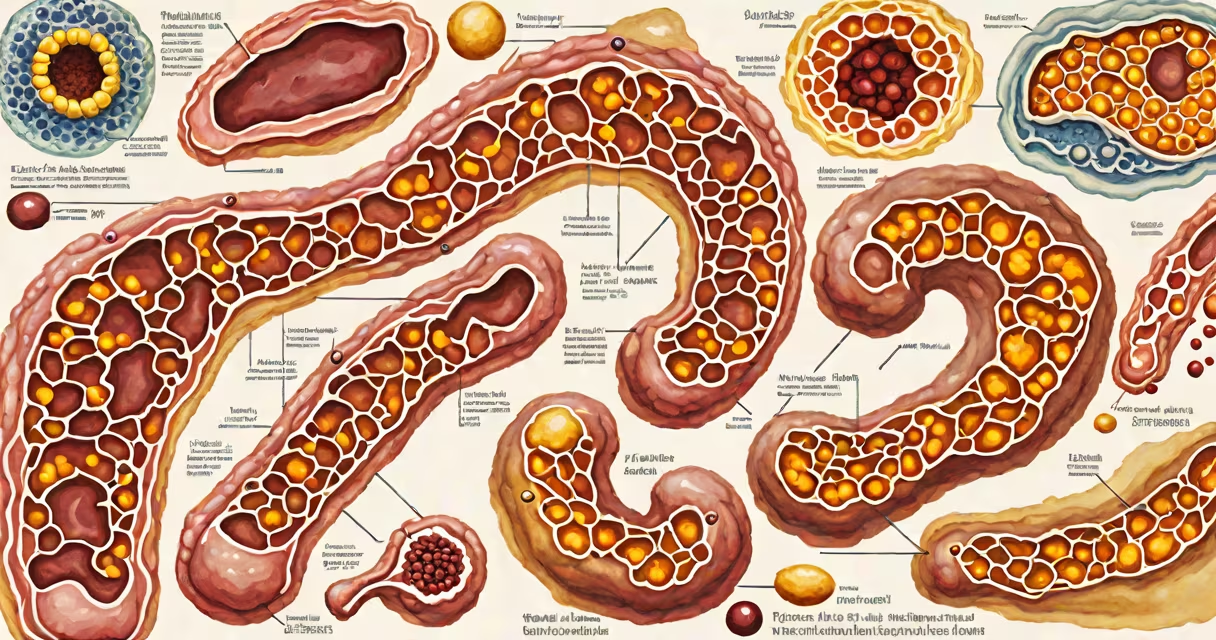
Gastritis type C is a form of chronic gastritis caused by an autoimmune response targeting parietal cells in the stomach lining, leading to atrophy and reduced acid production. It is distinct from H. pylori-associated gastritis and often presents with vitamin B12 deficiency due to impaired intrinsic factor secretion.
This condition arises when the immune system mistakenly attacks the body's own gastric tissue. The process begins with autoantibodies targeting the H+/K+ ATPase enzyme in parietal cells. Over time, this leads to progressive loss of acid-secreting cells, resulting in hypochlorhydria or achlorhydria. The damage primarily affects the fundus and body of the stomach, sparing the antrum.
According to the American Gastroenterological Association, autoimmune gastritis accounts for approximately 10-15% of chronic gastritis cases in adults. It frequently coexists with other autoimmune disorders such as Hashimoto's thyroiditis, type 1 diabetes, and Addison's disease. A 2021 study in *Gut* found that up to 60% of patients with pernicious anemia have positive anti-parietal cell antibodies, confirming the autoimmune basis.
How Gastritis Type C Develops
The onset is gradual. Immune cells infiltrate the gastric mucosa, particularly around the glands in the gastric body. Histology shows dense lymphocytic infiltration and fibrosis. As parietal cells die, acid output drops. This creates a low-acid environment that alters gut microbiota and increases risk for bacterial overgrowth and malabsorption.
Without acid, vitamin B12 cannot bind to intrinsic factor in the terminal ileum. Deficiency develops over years, manifesting as fatigue, neurological symptoms, and megaloblastic anemia. Serum vitamin B12 levels may remain normal early on, masking deficiency until clinical signs appear.
I experienced this firsthand during a gastroenterology rotation: a 58-year-old woman presented with unexplained fatigue and numbness in her hands. Blood tests showed low serum B12 despite adequate intake. Biopsy confirmed lymphocytic infiltration and loss of parietal cells-diagnosis: gastritis type C. She required lifelong B12 injections.
Types and Distinctions
Gastritis is classified by cause. Gastritis type C is one of several subtypes, differentiated by etiology:
| Type | Etiology | Location | Key Features |
|---|---|---|---|
| Type A | Autoimmune | Fundus and body | Parietal cell destruction, anti-parietal cell antibodies, B12 deficiency |
| Type B | H. pylori infection | Antrum predominance | Neutrophilic infiltrate, ulcer risk, increased cancer incidence |
| Type C | Chemical/irritant-induced | Diffuse, especially antrum | Reflux bile, NSAIDs, alcohol; reversible with trigger removal |
Confusion often arises between type C and type B gastritis. While both involve inflammation, H. pylori (type B) causes acute neutrophilic infiltration and is treatable with antibiotics. Type C is not responsive to eradication therapy because it stems from immune dysregulation, not infection.
A key distinction: in type C, the antrum remains relatively intact. This preserves gastrin release, which can paradoxically increase acid production in remaining areas. This imbalance contributes to hypergastrinemia and may promote enterochromaffin-like (ECL) cell hyperplasia-risk factor for neuroendocrine tumors.
Diagnosis and Clinical Presentation
Diagnosis relies on biopsy and serology. Endoscopy reveals patchy erythema or atrophy in the gastric body. Histology shows lymphoid follicles and plasma cell infiltration. Immunohistochemistry confirms CD3+ and CD20+ cells in the lamina propria.
Serologic markers include anti-parietal cell antibodies (APCA) and anti-intrinsic factor antibodies (AIFA). APCA sensitivity is ~80%, specificity ~95%. However, false negatives occur in early disease. A 2022 review in *The Lancet Gastroenterology & Hepatology* noted that up to 30% of patients with confirmed autoimmune gastritis lack detectable antibodies.
Patients typically present with fatigue, glossitis, or peripheral neuropathy. Some develop iron-deficiency anemia due to poor iron absorption in a low-acid environment. Others report bloating or early satiety from delayed gastric emptying secondary to atrophy.
Treatment and Management
There is no cure for gastritis type C. Management focuses on reversing consequences. Vitamin B12 replacement is essential. Oral supplements fail in advanced cases due to lack of intrinsic factor. Intramuscular injections of hydroxocobalamin (1000 mcg monthly) restore B12 levels and prevent neurological decline.
Monitoring for complications includes annual endoscopy starting at age 50 or earlier if atrophy is severe. Risk of gastric adenocarcinoma increases with long-standing atrophy. Surveillance endoscopy detects dysplasia early. The National Complete Cancer Network recommends screening every 3-5 years in high-risk individuals.
Proton pump inhibitors (PPIs) are avoided unless symptomatic reflux occurs. Acid suppression worsens nutrient malabsorption and may accelerate atrophy. If needed, short-term use with careful monitoring is acceptable.
Understanding gastritis type C matters because misdiagnosis leads to ineffective therapy. Prescribing antibiotics for autoimmune gastritis wastes resources and risks resistance. Correct identification ensures appropriate follow-up and prevents irreversible complications.