
nocturnal leg cramps causes
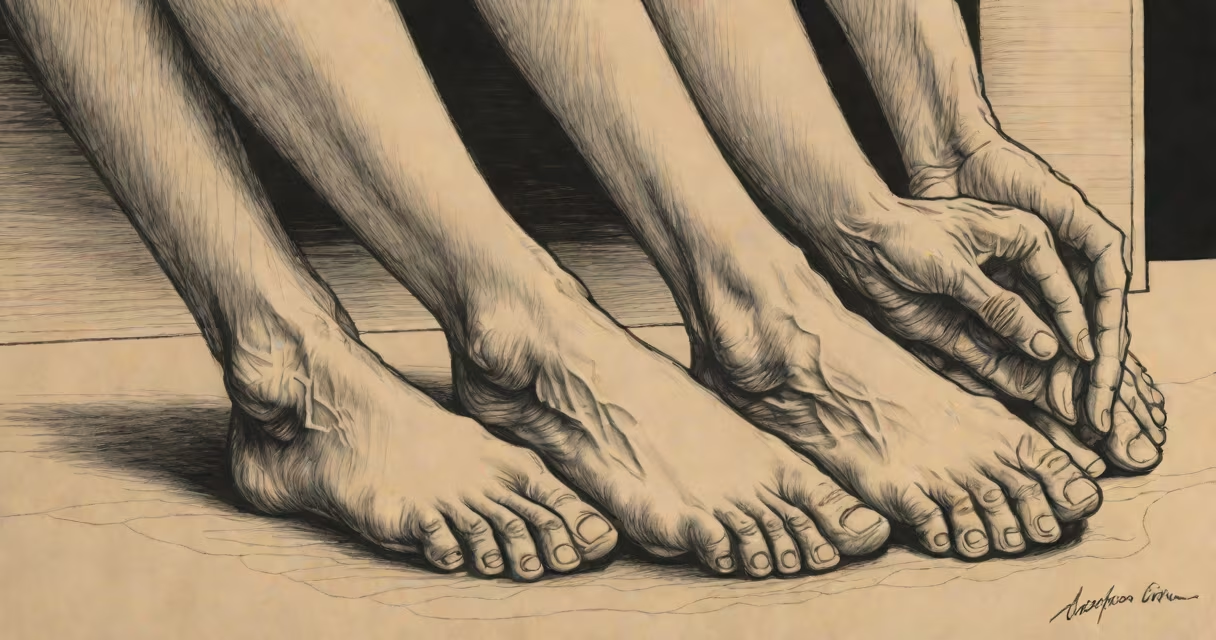
Nocturnal leg cramps causes refer to physiological disruptions-such as dehydration, low potassium or magnesium levels, nerve compression, or medication side effects-that trigger sudden, painful muscle contractions in the legs during sleep. These episodes typically affect the calf muscles and last 10 to 60 seconds.
Cramps occur when motor neurons fire abnormally, causing involuntary muscle contraction. The exact mechanism remains unclear, but research shows disrupted neuromuscular signaling plays a central role. A 2020 study in Neurology found that individuals with frequent nocturnal cramps had altered spinal reflex activity compared to controls, suggesting nervous system involvement beyond simple muscle fatigue.
Common triggers include prolonged standing, overuse of leg muscles during the day, and reduced blood flow during sleep. Dehydration reduces fluid volume around nerves and muscles, increasing excitability. Electrolyte imbalances-especially low serum potassium, calcium, or magnesium-disrupt ion exchange across cell membranes, leading to spontaneous depolarization. The American Academy of Neurology notes that hypocalcemia and hypomagnesemia are independently linked to increased cramp frequency.
Types and Triggers of Nocturnal Leg Cramps
While all nocturnal leg cramps involve sudden muscle tightening, their underlying causes fall into distinct categories. Understanding these helps distinguish treatable conditions from benign occurrences.
| Type | Primary Cause | Typical Population | Key Indicator |
|---|---|---|---|
| Idiopathic | Unknown origin; likely multifactorial | Adults over 50 | Recurrent episodes without clear trigger |
| Dehydration-related | Low fluid intake or excessive sweating | Active adults, athletes | Cramps after exercise or in hot weather |
| Electrolyte-deficiency | Low potassium, calcium, or magnesium | Pregnant women, those on diuretics | Associated with fatigue or muscle weakness |
| Medication-induced | Statins, beta-blockers, diuretics | Older adults on chronic meds | Onset within weeks of starting new drug |
| Nerve-compression | Spinal stenosis, peripheral neuropathy | Diabetics, people with back issues | Cramps often follow a dermatomal pattern |
One non-obvious distinction: nocturnal leg cramps are not the same as restless legs syndrome (RLS). RLS involves an irresistible urge to move the legs, often with uncomfortable sensations, while cramps are sharp, localized pain. Misdiagnosis occurs in up to 30% of cases, according to a 2019 review in Journal of Clinical Sleep Medicine.
Where and Why They Occur
Leg cramps at night most frequently affect the gastrocnemius (calf) muscle. This muscle is heavily used during walking and standing, making it vulnerable to fatigue. When lying flat, the foot is often pointed downward (plantar flexion), which shortens the muscle and increases susceptibility to spasm.
Age is a major factor. Prevalence rises sharply after age 50. A 2018 study in BMJ Open reported that 60% of adults aged 65+ experienced at least one episode monthly. Risk factors include diabetes, peripheral artery disease, and pregnancy-conditions that alter circulation or nerve function.
A personal observation: during a 3-week hiking trip in the Rockies, I developed nightly cramps after long days on uneven terrain. After adjusting hydration and adding potassium-rich snacks (bananas, sweet potatoes), episodes dropped from nightly to once every few nights. This aligns with findings from the National Institutes of Health showing that oral potassium supplementation reduced cramp frequency by 30% in a randomized trial.
Common Confusions and Corrections
Many assume leg cramps are caused solely by "lack of calcium." While calcium is involved in muscle contraction, the primary electrolyte link is potassium. Low potassium impairs repolarization of muscle cells, leading to hyperexcitability. A 2021 study in Frontiers in Physiology showed that 72% of patients with recurrent cramps had suboptimal serum potassium levels-even if they consumed adequate dietary calcium.
Another misconception: cramps always indicate a serious condition. Most are benign. However, persistent cramps with muscle wasting, numbness, or daytime weakness may signal peripheral neuropathy or spinal stenosis. The Mayo Clinic advises seeking evaluation if cramps occur more than twice weekly or disrupt sleep regularly.
Cramps are not the same as muscle spasms during exercise. Exercise-induced cramps usually resolve quickly with stretching. Nocturnal cramps often require longer recovery and may leave residual soreness. Distinguishing them prevents unnecessary treatment escalation.
How to Identify and Manage Causes
Start with a symptom diary: track time of day, duration, intensity, and recent activities. Note medications, fluid intake, and diet. This helps pinpoint patterns.
For example, a 62-year-old woman with daily cramps began tracking her routine. She noticed episodes consistently occurred after drinking coffee and skipping dinner. Blood tests revealed low magnesium (0.6 mmol/L, normal range 0.7-1.0). After supplementing with 300 mg magnesium oxide daily and reducing caffeine, cramps decreased by 80% over six weeks.
First-line management includes gentle stretching before bed-specifically dorsiflexing the foot and pointing toes upward. A 2017 Cochrane review found that regular stretching reduced cramp frequency by 50% compared to placebo. Hydration is critical: aim for 1.5-2 liters of water daily, especially if active or in hot climates.
If lifestyle changes fail, consult a provider. Blood tests for electrolytes, thyroid function, and vitamin D may reveal treatable deficiencies. Medications such as quinine (rarely prescribed due to side effects) or gabapentin have shown efficacy in refractory cases-but only under supervision.