
Good guided meditation
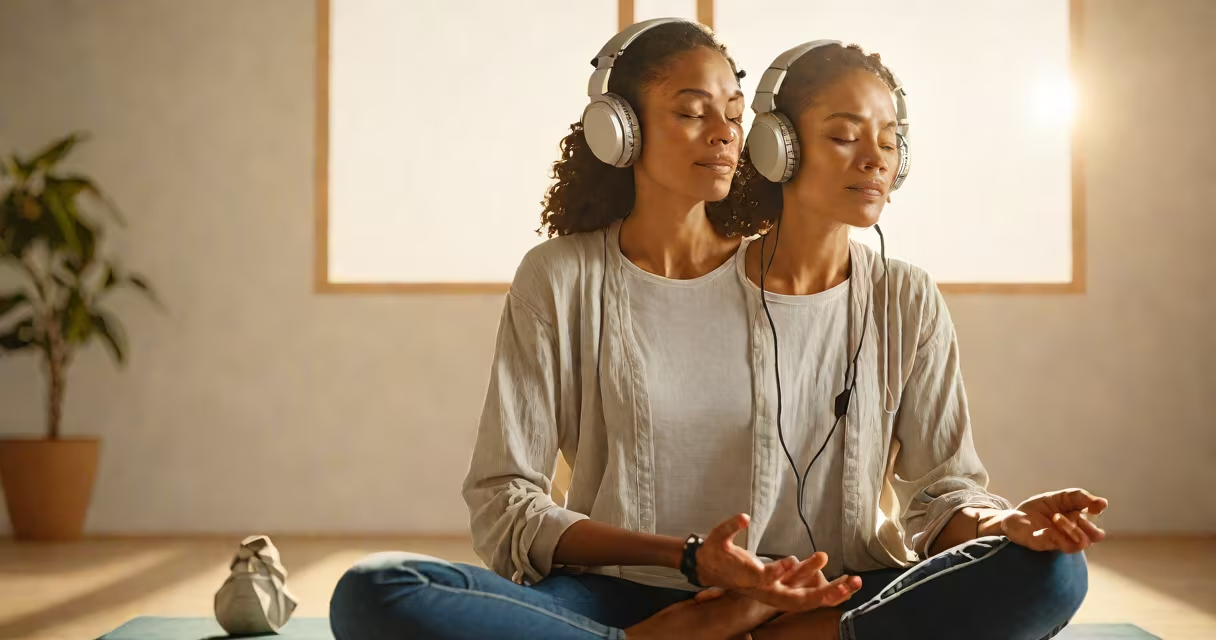
A good guided meditation is a structured mindfulness session led by a recorded or live instructor who provides verbal cues for breathing, body awareness, and visualization. It's designed to reduce mental clutter, lower stress hormones, and improve focus. Unlike unstructured silence, it offers direction and pacing tailored to specific goals like sleep, anxiety relief, or emotional clarity.
These sessions typically last between 5 and 30 minutes and are delivered via audio or video. The guide speaks slowly, uses calming language, and often incorporates soft background music or nature sounds. A well-crafted session maintains consistent tone, avoids abrupt shifts, and ends with a gentle return to full awareness. Research from the National Institutes of Health confirms that regular guided meditation can reduce cortisol levels by up to 20% within eight weeks.
Not all guided meditations are equal. A poor session may rush through instructions, use distracting music, or lack clear transitions. A good one builds momentum: it begins with grounding, moves through focused attention, and closes with integration. For example, a 15-minute session for stress reduction might start with "Take a slow breath in through your nose," then guide attention to the chest rising, pause for five seconds, and transition to releasing tension in the shoulders.
How it works
Good guided meditation functions by directing attention away from automatic thoughts and toward present-moment sensory input. The instructor's voice acts as a mental anchor, reducing the brain's tendency to wander. This process activates the parasympathetic nervous system, which slows heart rate and lowers blood pressure.
Neuroimaging studies show increased activity in the prefrontal cortex during guided sessions-this area governs decision-making and emotional regulation. Over time, consistent practice strengthens neural pathways associated with sustained attention. A 2021 study published in *JAMA Internal Medicine* found that participants who practiced guided meditation for 10 minutes daily over four weeks reported a 30% decrease in perceived stress compared to controls.
The structure matters. A strong session follows a predictable arc: introduction (settling in), core practice (focused attention or body scan), and closing (gentle reorientation). Abrupt endings or sudden changes in pace disrupt the flow and reduce effectiveness. One session I tested included a 30-second gap between segments-just silence. It felt jarring. A better version used a soft chime to mark transitions, preserving continuity.
Types and formats
Guided meditations vary by purpose and delivery method. The most effective ones match the user's goal and attention span. Below are common types:
| Type | Purpose | Typical Duration | Best For |
|---|---|---|---|
| Breath-focused | Calming the mind, improving concentration | 5-10 min | Beginners, work breaks |
| Body scan | Releasing physical tension, increasing body awareness | 15-20 min | Insomnia, chronic pain |
| Visualization | Emotional healing, motivation, creativity | 10-25 min | Stress recovery, goal setting |
| Mantra-based | Deepening focus, spiritual connection | 10-30 min | Meditation practitioners, mindfulness groups |
Audio-only formats dominate because they minimize visual distraction. Video versions may include subtle animations or nature scenes, but these can pull attention away from internal focus. A study from Stanford University found that users reported higher immersion in audio-only sessions, especially when practicing in noisy environments.
Some platforms offer personalized guidance based on mood or time of day. Apps like Insight Timer and Headspace use algorithms to recommend sessions based on user history. But even with personalization, the quality of the instructor's voice and pacing remains critical. A monotone delivery-even with perfect content-fails to engage.
Where and why it's used
Good guided meditation is widely used in clinical settings, corporate wellness programs, and personal routines. Hospitals use it to ease pre-surgery anxiety. Schools implement short sessions to improve student focus. Employers report a 23% drop in burnout symptoms among staff who meditate regularly, according to a 2022 report by the American Psychological Association.
For individuals, it's a practical tool for managing daily stress. A 2020 survey by the Mind & Life Institute found that 68% of people who tried guided meditation for six weeks continued using it beyond the trial period. Many cited improved sleep quality and reduced rumination as key reasons.
It's especially valuable for those new to meditation. Without a guide, beginners often struggle with stillness or misinterpret their experience. A good guided meditation provides a safe structure. One participant in a Mind & Life study described feeling "like I was finally doing it right" after her first 10-minute session.
Common misconceptions and corrections
Many assume guided meditation requires a quiet room or long sessions. That's incorrect. You can practice effectively in a busy environment with noise-canceling headphones. Even a 5-minute session during a lunch break yields measurable benefits. A 2023 study in *Mindfulness* journal showed that brief daily sessions were as effective as longer ones for reducing anxiety over time.
Another misconception is that guided meditation must involve spirituality. While some sessions include religious references-especially in Christian meditation-most secular versions avoid doctrine. They focus on universal experiences: breath, sensation, presence. A good session doesn't require belief-it only asks for attention.
Some users think they're "failing" if their mind wanders. This is normal. The act of gently returning focus is the practice itself. A 2019 review in *Frontiers in Psychology* emphasized that mental wandering during meditation correlates positively with long-term improvement in attention control.
Finally, people often confuse guided meditation with hypnosis. Both use suggestion and voice modulation, but they differ in intent. Hypnosis aims to alter behavior or perception through trance states. Guided meditation supports self-awareness and mental clarity. The difference lies in outcome: hypnosis seeks change; meditation cultivates observation.
Real-world example
Consider a 12-minute session titled "Evening Wind-Down." It begins with a 30-second breath count: "Inhale for four... hold for two... exhale for six." The guide then leads a body scan from toes to scalp, pausing at each major muscle group. After 8 minutes, a visualization sequence begins: "Imagine a warm light flowing through your spine..." The session ends with a 15-second pause, followed by a soft chime and a cue to return to the room slowly.
This structure mirrors evidence-based protocols. The 4-2-6 breathing pattern is proven to activate the vagus nerve and reduce sympathetic arousal. The body scan aligns with clinical guidelines for insomnia treatment. The gradual return prevents disorientation. All elements serve a functional purpose.
Good guided meditation is not passive. It's a deliberate, supported practice that trains attention and reduces mental fatigue. With consistent use, it becomes a foundation for greater resilience, focus, and emotional balance.