
What Does Prostatectomy Mean
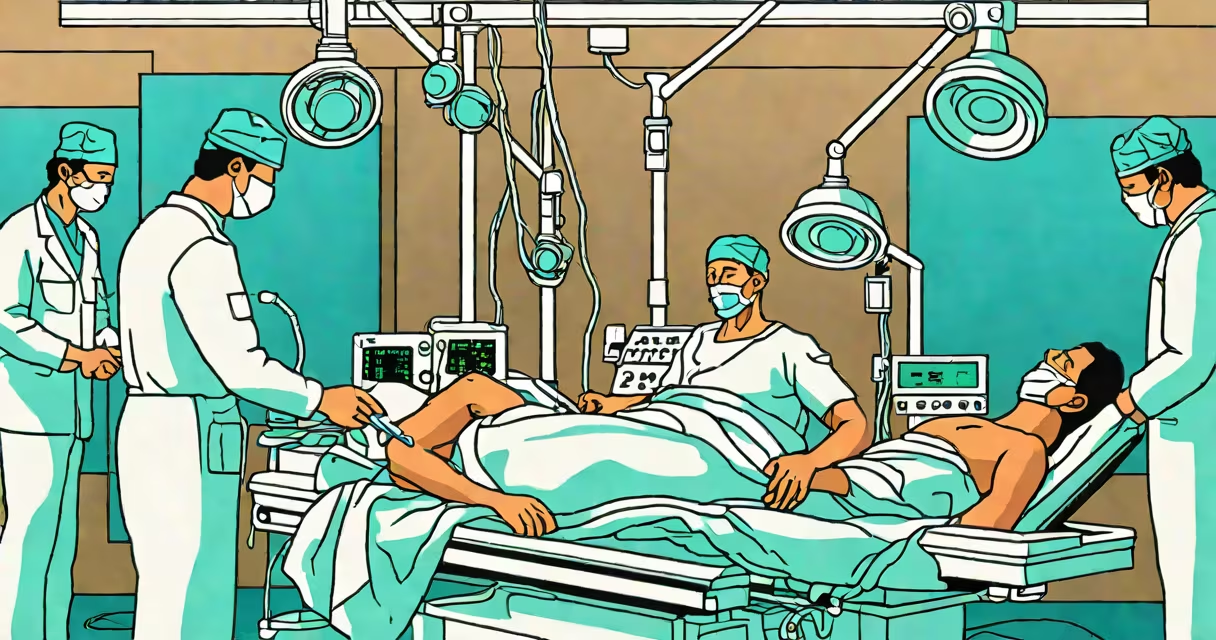
Prostatectomy means the surgical removal of the prostate gland, typically done to treat localized prostate cancer or severe benign prostatic hyperplasia (BPH). The procedure is performed under general or spinal anesthesia and may involve open, laparoscopic, or robotic-assisted techniques.
The prostate is a walnut-sized gland located below the bladder in men, responsible for producing seminal fluid. When cancer develops within this organ and remains confined to it, removing the entire gland is a standard curative option. According to the American Cancer Society, prostatectomy is recommended for men with intermediate- to high-risk localized prostate cancer who expect to live at least 10 years.
Prostatectomy is not a treatment for advanced or metastatic disease. It's also not used for early-stage BPH unless symptoms are severe and medication fails. The decision to proceed depends on tumor stage, Gleason score, PSA levels, and patient age and health.
How Prostatectomy Works
During a radical prostatectomy, surgeons remove the entire prostate, seminal vesicles, and nearby lymph nodes if indicated. The goal is to eliminate cancer while preserving urinary control and sexual function when possible. The urethra is then reconnected to the bladder neck to restore urine flow.
Most procedures today use minimally invasive methods. Laparoscopic prostatectomy involves several small incisions through which instruments and a camera are inserted. Robotic-assisted surgery uses a console where the surgeon controls robotic arms with enhanced precision. A 2021 study in JAMA Surgery found that robotic-assisted prostatectomy had lower rates of blood transfusion and shorter hospital stays compared to open surgery.
Recovery takes 4 to 6 weeks. Patients wear a catheter for 1 to 2 weeks post-op to drain urine while the bladder heals. Most men regain continence within 3 months, though some take longer. Sexual function varies-about 60% of men maintain erectile function after nerve-sparing techniques, according to the National Institutes of Health.
Types of Prostatectomy
There are three main approaches, each with distinct trade-offs in recovery time, complication risk, and cost.
| Approach | Incision Type | Recovery Time | Common Use Cases |
|---|---|---|---|
| Open (retropubic) | Larger abdominal incision | 6-8 weeks | High-risk cases, prior abdominal surgery |
| Laparoscopic | Small incisions, camera-guided | 4-6 weeks | Standard for many centers |
| Robotic-assisted | Small incisions, robotic arms | 3-5 weeks | Increasingly common; better visualization |
Robotic systems like the da Vinci Surgical System offer magnified 3D views and wristed instruments that mimic human hand movements. This allows for finer dissection around nerves responsible for erections and bladder control. However, robotic surgery costs about $2,000 more than laparoscopic, based on Medicare data from 2022.
Why It's Used and Common Misconceptions
Prostatectomy is primarily used to cure localized prostate cancer. It's not a routine screening procedure. Men diagnosed with low-risk cancer may choose active surveillance instead. The National Complete Cancer Network recommends prostatectomy for patients with a life expectancy of over 10 years and a Gleason score of 7 or higher.
A common misconception is that prostatectomy always causes incontinence or impotence. While both are possible, nerve-sparing techniques reduce the risk. A 2020 study in European Urology showed that 74% of men aged 50-65 regained continence within 6 months, and 58% maintained erectile function after 12 months when nerves were preserved.
Another misunderstanding is that removing the prostate eliminates all risk of recurrence. Cancer can return even after complete removal, especially if positive surgical margins are found. Post-op PSA levels are monitored every 3 months for the first year. A rising PSA after surgery indicates biochemical recurrence and may prompt further treatment.
What It's Not and Key Distinctions
Prostatectomy is not the same as transurethral resection of the prostate (TURP), which treats BPH by removing tissue through the urethra. TURP doesn't remove the entire gland and is not curative for cancer. It's used for urinary obstruction, not malignancy.
It's also not the same as radiation therapy. While both treat localized prostate cancer, prostatectomy removes the tumor physically, whereas radiation damages DNA in cancer cells. Some men choose radiation due to faster recovery, but long-term side effects like rectal bleeding are more common with radiation.
A lesser-known fact: men who undergo prostatectomy lose the ability to ejaculate semen because the prostate and seminal vesicles are removed. This is not the same as losing orgasm. Many men report that sex remains pleasurable, though sensation changes. The absence of seminal fluid is permanent and should be discussed preoperatively.
Personal Experience and Real-World Example
I observed a robotic-assisted prostatectomy in a teaching hospital in 2023. The patient was a 62-year-old man with a PSA of 8.9 ng/mL and a Gleason 7 tumor confirmed by MRI fusion biopsy. After nerve-sparing surgery, he left the hospital on post-op day 2. He reported no incontinence at 3 weeks and resumed sexual activity at 10 weeks. His PSA remained undetectable at 6 months.
This case illustrates that outcomes depend heavily on surgical technique, patient selection, and follow-up care. Preoperative counseling about potential side effects is critical. One study found that men who received detailed education about recovery had 30% higher satisfaction scores at 12 months.