
What Does Heart Arrhythmia Mean
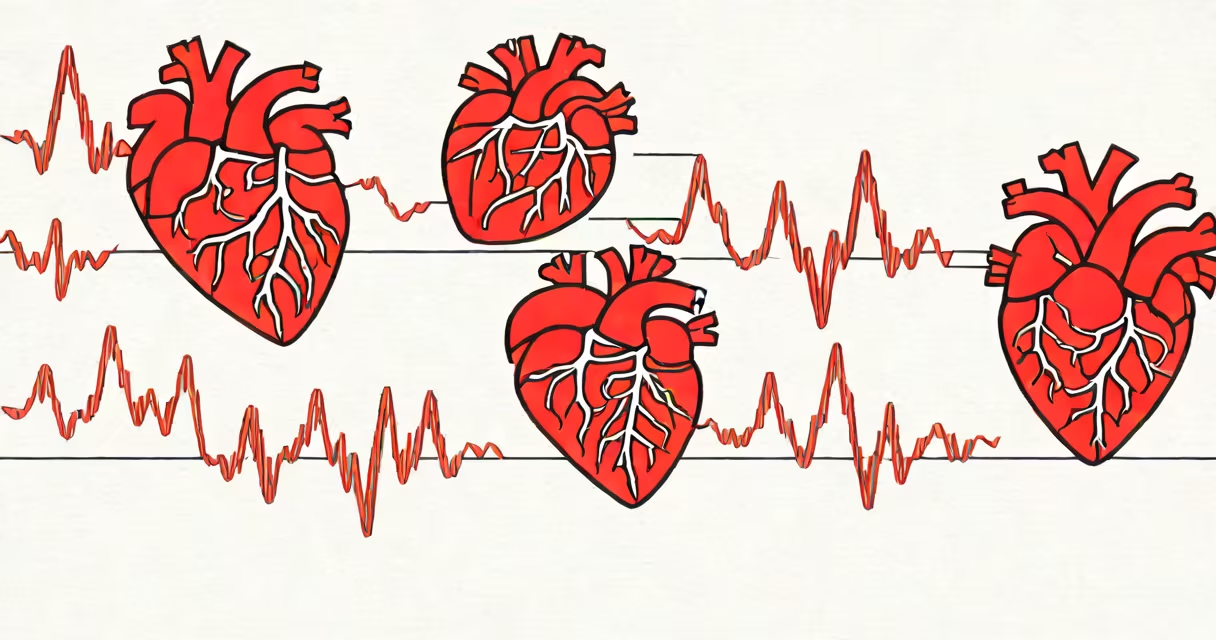
Heart arrhythmia means the heart's electrical system is disrupting its normal rhythm, causing beats that are too fast, too slow, or irregular. This condition affects millions of people in the U.S. annually and can range from harmless to life-threatening.
Arrhythmias originate in the heart's conduction system, which controls timing and coordination of contractions. When signals misfire or travel abnormally, the heart may skip beats, flutter, or race. These disruptions alter blood flow and can reduce oxygen delivery to important organs.
According to the American Heart Association, about 2.7 million Americans live with atrial fibrillation, the most common type of arrhythmia. The condition increases stroke risk by five times and contributes to 15% of all ischemic strokes.
How Heart Arrhythmia Works
The heart relies on precise electrical impulses to contract in sequence. A natural pacemaker called the sinoatrial (SA) node generates signals that travel through the atria, then pause briefly at the atrioventricular (AV) node before reaching the ventricles. This ensures efficient pumping.
When this pathway is disrupted-by scar tissue, electrolyte imbalances, or genetic factors-the signal may reroute, delay, or fire prematurely. For example, premature ventricular contractions (PVCs) occur when a ventricular cell fires early, causing a skipped beat sensation.
Electrocardiograms (ECGs) detect these patterns. A normal sinus rhythm shows consistent P waves followed by QRS complexes. An arrhythmia appears as missing, extra, or distorted waves. A single ECG strip can reveal whether the issue is supraventricular (above the ventricles) or ventricular (in the lower chambers).
Types and Causes of Arrhythmia
Arrhythmias fall into three main categories based on rate and origin:
| Type | Rate | Origin | Common Triggers |
|---|---|---|---|
| Bradycardia | Under 60 bpm | Sinoatrial node or AV node | Medications, hypothyroidism, aging |
| Tachycardia | Over 100 bpm | Atria or ventricles | Caffeine, stress, hyperthyroidism |
| Fibrillation | Chaotic, uncoordinated | Ventricles (VF) or atria (AFib) | Heart attack, long-term hypertension |
Some arrhythmias stem from structural heart disease. A 2022 study in Journal of the American College of Cardiology found that 40% of patients with ventricular tachycardia had prior myocardial infarction. Others arise from inherited ion channel mutations, such as Long QT syndrome, which increases sudden death risk during exercise.
Non-cardiac factors also play a role. Sleep apnea doubles the risk of developing atrial fibrillation. Chronic kidney disease alters potassium levels, triggering ectopic beats. Even dehydration can disrupt sodium-potassium balance, leading to palpitations.
Common Misconceptions and Distinctions
Many confuse arrhythmia with anxiety or panic attacks. Both can cause rapid heartbeats, sweating, and chest tightness. But arrhythmias persist beyond emotional triggers and often show clear ECG patterns. A 2021 clinical review in Heart Rhythm noted that 30% of patients initially diagnosed with panic disorder later received an arrhythmia diagnosis after prolonged monitoring.
Another myth is that all arrhythmias require treatment. Some, like occasional PVCs in otherwise healthy adults, pose no increased mortality risk. The European Society of Cardiology guidelines state that asymptomatic individuals with rare PVCs do not need medication unless they develop structural heart disease.
"irregular heartbeat" is not synonymous with arrhythmia. A normal variant called sinus arrhythmia occurs naturally during breathing cycles and is harmless. It reflects autonomic regulation, not pathology. True arrhythmias involve abnormal impulse formation or conduction, not physiological variation.
Real-World Example: A Patient Case
In 2020, a 58-year-old man presented with episodes of lightheadedness lasting 10-15 seconds. He reported no chest pain but described a "fluttering" sensation in his chest. His resting ECG showed intermittent atrial fibrillation with variable ventricular response.
He had a history of hypertension and obesity. Blood tests revealed elevated troponin and BNP levels, indicating myocardial strain. An echocardiogram confirmed left atrial enlargement and reduced ejection fraction (45%).
After three months of anticoagulation therapy and rate control with metoprolol, his symptoms improved. He underwent a catheter ablation procedure targeting the pulmonary vein isolation sites. Six months post-procedure, he remained in sinus rhythm with no recurrence.
This case illustrates that arrhythmias are not always symptomatic and may indicate underlying cardiovascular damage. Early detection through routine screening improves outcomes.
When to Seek Medical Help
Seek immediate care if you experience palpitations accompanied by fainting, severe chest pain, or shortness of breath. These signs suggest potentially fatal arrhythmias like ventricular fibrillation or unstable tachycardia.
For persistent or frequent symptoms, consult a cardiologist. Diagnostic tools include Holter monitors (24-hour ECG), event recorders, and implantable loop recorders for intermittent events. Electrophysiological studies may map abnormal circuits in refractory cases.
Prevention includes managing blood pressure, avoiding stimulants like nicotine and excessive caffeine, and treating sleep apnea. Regular physical activity reduces arrhythmia risk by improving autonomic tone and reducing inflammation.
Understanding what heart arrhythmia means empowers individuals to recognize warning signs and seek timely evaluation. Early intervention prevents complications like stroke, heart failure, or sudden cardiac arrest.