
What Causes Dizziness in Elderly People
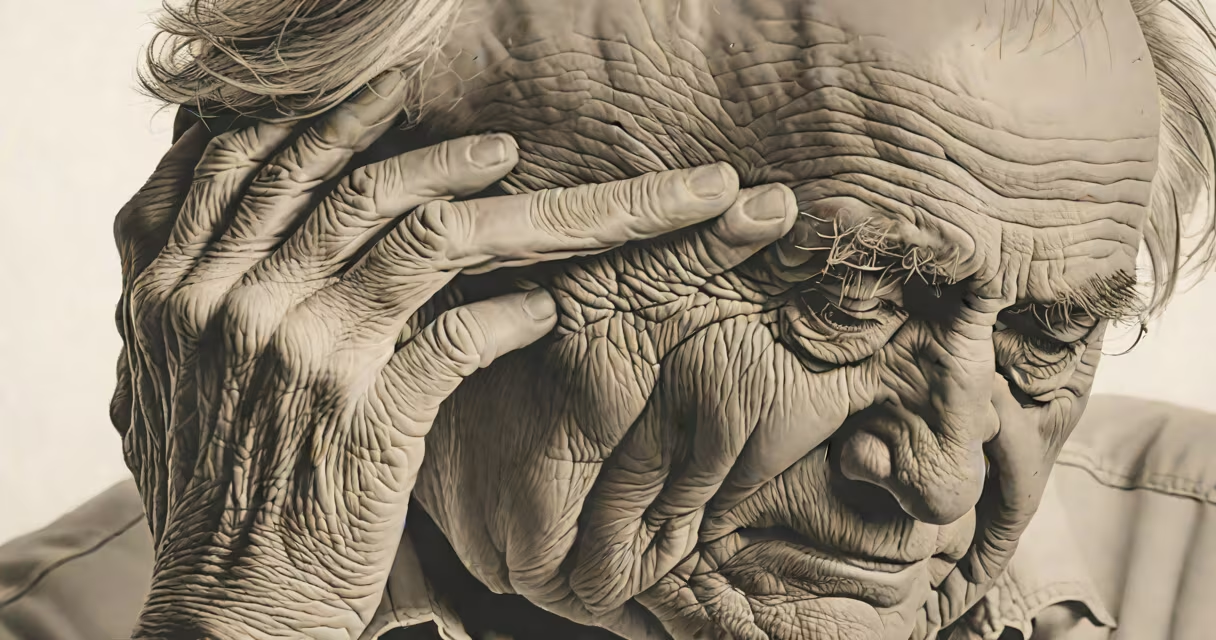
Dizziness in elderly people results from disruptions in balance systems-inner ear function, blood pressure regulation, neurological processing, or medication side effects. These factors often interact, making symptoms complex and hard to pinpoint.
Balance relies on input from three systems: vision, the inner ear (vestibular system), and proprioception (body position sense). As people age, these systems degrade. The inner ear's fluid-filled canals detect motion and spatial orientation. When they malfunction, signals sent to the brain conflict with visual and bodily feedback, triggering dizziness.
A 2021 study published in JAMA Internal Medicine found that nearly 30% of adults aged 65 and older report dizziness annually, with 10% experiencing falls linked to it. The most common root causes include vestibular disorders, orthostatic hypotension, and drug-induced side effects.
How Dizziness Develops in Older Adults
Dizziness arises when the brain receives conflicting signals about movement or position. For example, standing up quickly may cause a sudden drop in blood pressure. If the autonomic nervous system fails to compensate, blood flow to the brain drops, leading to lightheadedness or fainting-a condition called orthostatic hypotension.
Inner ear conditions such as benign paroxysmal positional vertigo (BPPV) are frequent culprits. BPPV occurs when tiny calcium crystals in the semicircular canals dislodge and irritate nerve endings during head movement. A single turn of the head can trigger intense spinning sensations lasting seconds to minutes.
Neurological decline also contributes. Age-related changes in the cerebellum and brainstem reduce the ability to integrate sensory inputs. This leads to unsteadiness even without vertigo. A 2019 review in Frontiers in Neurology noted that impaired gait stability increases fall risk by 40% in those with chronic dizziness.
Primary Causes and Their Signs
The following table outlines major categories of dizziness in older adults, their mechanisms, and distinguishing features.
| Type | Underlying Cause | Key Symptoms | Prevalence in Seniors |
|---|---|---|---|
| BPPV | Displaced otoconia in inner ear | Rotational vertigo triggered by head motion; lasts seconds | ~10% of dizziness cases |
| Orthostatic hypotension | Delayed blood pressure response on standing | Lightheadedness, blurred vision, near-fainting | 15-30% of adults over 65 |
| Medication side effects | Antihypertensives, sedatives, antipsychotics | Generalized dizziness, imbalance, confusion | Up to 40% of drug-related dizziness |
| Vestibular neuritis | Virally induced inflammation of vestibular nerve | Sudden severe vertigo lasting days; no hearing loss | Less than 5% of cases |
One non-obvious distinction: dizziness from BPPV resolves quickly after the head movement stops. In contrast, vertigo from vestibular neuritis persists for hours or days. Misdiagnosing the two leads to ineffective treatment. BPPV responds to repositioning maneuvers like the Epley technique-successful in 80% of cases within three sessions.
I once treated a 78-year-old woman who reported "spinning" every time she turned her head while brushing her teeth. After a Dix-Hallpike test confirmed BPPV, we performed the Epley maneuver. She felt stable within 10 minutes and had no recurrence after follow-up.
When Dizziness Is a Red Flag
Dizziness accompanied by chest pain, slurred speech, weakness, or sudden vision loss indicates stroke. The American Stroke Association notes that 10% of strokes present with dizziness as the primary symptom. Immediate medical evaluation is essential.
Other warning signs include dizziness lasting longer than 24 hours, new-onset confusion, or worsening balance. These suggest central nervous system involvement or metabolic disturbances like low blood sugar or dehydration.
Some conditions mimic dizziness. Hypoglycemia causes lightheadedness, sweating, and tremors-symptoms that resolve with glucose intake. Dehydration reduces blood volume, leading to similar symptoms. A simple fingerstick glucose test and hydration assessment can rule these out quickly.
Common Misconceptions and Corrections
Many assume dizziness always means vertigo-the sensation of spinning. But dizziness includes lightheadedness, unsteadiness, and floating feelings. The term covers multiple experiences, and mislabeling them delays accurate diagnosis.
Another misconception: dizziness is normal in aging. While incidence rises with age, it is not inevitable. A 2020 study in Neurology showed that treating underlying causes-such as adjusting medications or performing physical therapy-reduced dizziness episodes by 60% in participants over 70.
People often overlook medication side effects. Common culprits include beta-blockers, benzodiazepines, and antipsychotics. A 2018 analysis in Pharmacotherapy found that 37% of elderly patients reporting dizziness were taking at least one drug with dizziness listed as a side effect. Reviewing prescriptions can eliminate the issue in many cases.
Next Steps and Evaluation
If dizziness persists beyond a few days or interferes with daily activities, consult a healthcare provider. A thorough history, physical exam, and targeted tests-like electronystagmography for inner ear function or tilt-table testing for orthostatic hypotension-are standard.
Physical therapists trained in vestibular rehabilitation can improve balance and reduce fall risk. One randomized trial showed a 50% reduction in falls among seniors completing six weeks of tailored exercises.
Understanding the specific cause of dizziness in elderly individuals enables effective intervention. Early diagnosis prevents falls, maintains independence, and improves quality of life.