
What Causes Stomach Pain Left Side
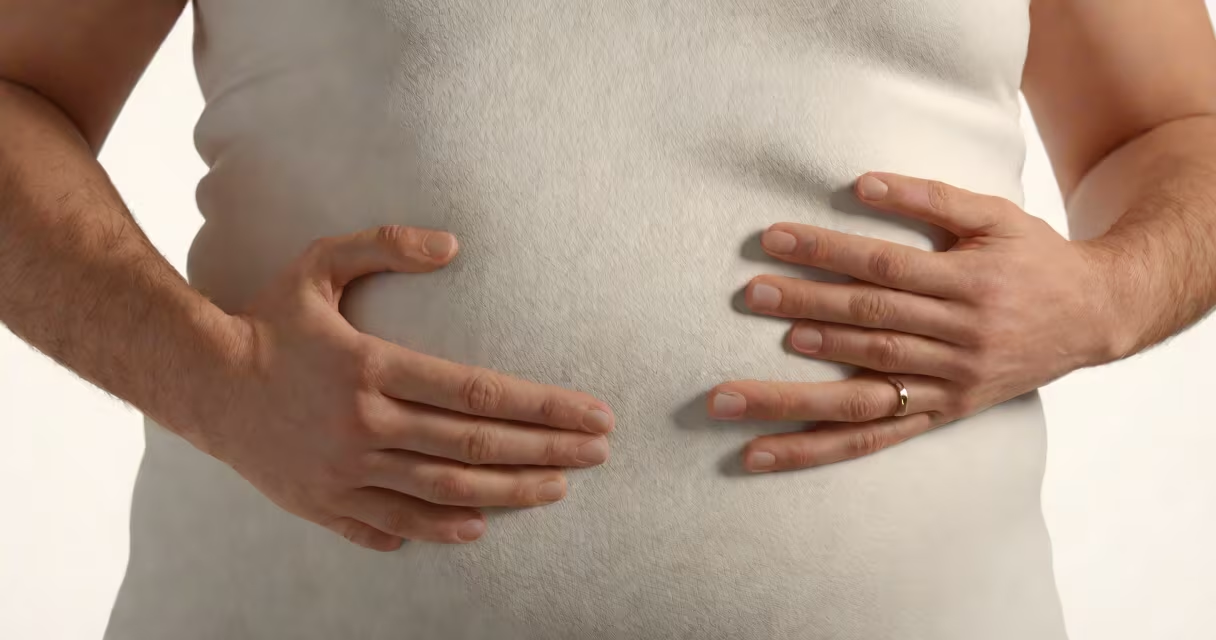
Pain on the left side of the abdomen may arise from digestive issues, kidney stones, ovarian cysts, or muscle strain. It's often localized and varies in intensity based on the underlying cause.
Left-sided abdominal pain typically originates in organs located on the left side of the torso. These include parts of the colon, spleen, pancreas, kidneys, and reproductive organs in women. The sensation can range from sharp and sudden to dull and persistent, depending on the root issue.
When pain occurs in the upper left quadrant, it may involve the stomach, spleen, or pancreas. Lower left pain often relates to the descending colon or sigmoid colon. Identifying the location and timing of pain helps narrow potential causes.
Common Causes of Left Side Stomach Pain
Several conditions frequently lead to left-sided abdominal discomfort. Gastroenteritis, irritable bowel syndrome (IBS), and diverticulosis are among the most prevalent.
Diverticulosis involves small pouches forming in the colon wall. When inflamed or infected, they cause diverticulitis-a condition marked by severe left lower quadrant pain, fever, and changes in bowel habits. A 2021 study in World Journal of Gastroenterology found that 60% of diverticulitis cases present with left-sided pain, most commonly in the lower left area.
IBS affects about 10-15% of adults globally, according to the National Institute of Diabetes and Digestive and Kidney Diseases (NIDDK). Symptoms include cramping, bloating, and alternating diarrhea and constipation, often centered on the lower left abdomen. Stress and certain foods-like beans, cabbage, and carbonated drinks-can trigger flare-ups.
Less Common but Serious Causes
Not all left side pain stems from the gut. Kidney stones can cause sharp, radiating pain that starts in the flank and moves toward the groin. This pain often comes in waves and may be accompanied by nausea, blood in urine, or difficulty urinating.
For women, ovarian cysts or ectopic pregnancy can manifest as left-sided lower abdominal pain. An ectopic pregnancy-where a fertilized egg implants outside the uterus-can cause severe pain and requires immediate medical attention. The American College of Obstetricians and Gynecologists notes that early ectopic pregnancies often present with unilateral pelvic pain, sometimes on the left.
Splenic injury or enlargement due to infection (such as mononucleosis) can cause pain under the left rib cage. The spleen lies beneath the left ribs and can become tender or swollen during illness. A 2020 review in Journal of Clinical Medicine reported that splenic pain is often described as deep and aching, worsened by breathing deeply.
Distinguishing Between Types of Left Side Pain
Pain location and quality help differentiate between conditions. Sharp, stabbing pain suggests a structural or inflammatory issue. Dull, constant ache may indicate chronic inflammation or organ enlargement.
Use this table to compare symptoms and likely causes:
| Location | Pain Quality | Common Causes | Associated Symptoms |
|---|---|---|---|
| Lower left abdomen | Crampy, intermittent | IBS, diverticulitis, constipation | Bloating, diarrhea/constipation, gas |
| Upper left abdomen | Dull, pressure-like | Stomach ulcers, pancreatitis, splenic enlargement | Nausea, vomiting, loss of appetite |
| Flank (side of back) | Sharp, wave-like | Kidney stones, urinary tract infections | Difficulty urinating, blood in urine, fever |
One key distinction often missed: pain from the colon tends to improve after a bowel movement. Pain from kidney stones rarely improves until the stone passes. This difference can help guide self-assessment, though it shouldn't replace professional diagnosis.
When to Seek Medical Help
Not all left side pain requires urgent care. However, certain red flags demand prompt evaluation.
Seek immediate medical attention if pain is sudden, severe, or accompanied by fever, vomiting, blood in stool or urine, or inability to pass gas. These signs may indicate a bowel obstruction, ruptured appendix (though rare on the left), or internal bleeding.
I experienced this firsthand while hiking in Colorado. After eating a meal high in fiber, I developed cramping in my lower left abdomen. The pain worsened over two hours and was unrelieved by passing gas. I visited an urgent care clinic the next morning and was diagnosed with mild diverticulitis. Treatment included antibiotics and a low-fiber diet. Within five days, symptoms resolved.
Even mild pain lasting more than 48 hours should be evaluated. Chronic or recurring episodes may signal undiagnosed IBS, Crohn's disease, or other inflammatory conditions.
What It's Not: Common Misconceptions
Many assume left side stomach pain always points to digestive issues. While gastrointestinal causes are frequent, they're not universal. For example, left-sided pain can originate from musculoskeletal strain-especially after heavy lifting or twisting.
Another misconception is that all left side pain is related to the colon. The pancreas, located deep in the upper left abdomen, can cause pain that radiates to the back. Pancreatitis presents with intense, steady pain that may worsen after eating. According to the Mayo Clinic, 70% of acute pancreatitis cases involve upper abdominal pain, often on the left side.
Lastly, people often confuse left side pain with heart-related issues. While cardiac pain is usually central or left-sided chest pain, it rarely presents as isolated abdominal pain. However, atypical heart attacks-especially in women-can manifest as upper abdominal discomfort. The American Heart Association warns that up to 25% of women experiencing a heart attack report abdominal pain as a primary symptom.
Next Steps and Evaluation
If pain persists beyond a few days or worsens, consult a healthcare provider. Diagnosis may involve imaging such as ultrasound, CT scan, or MRI. Blood tests can detect infection, inflammation, or organ dysfunction.
Understanding the origin of left side stomach pain begins with tracking symptom patterns-timing, triggers, and associated signs. Accurate identification leads to faster relief and prevents complications.