
What Would Cause Breast Tenderness
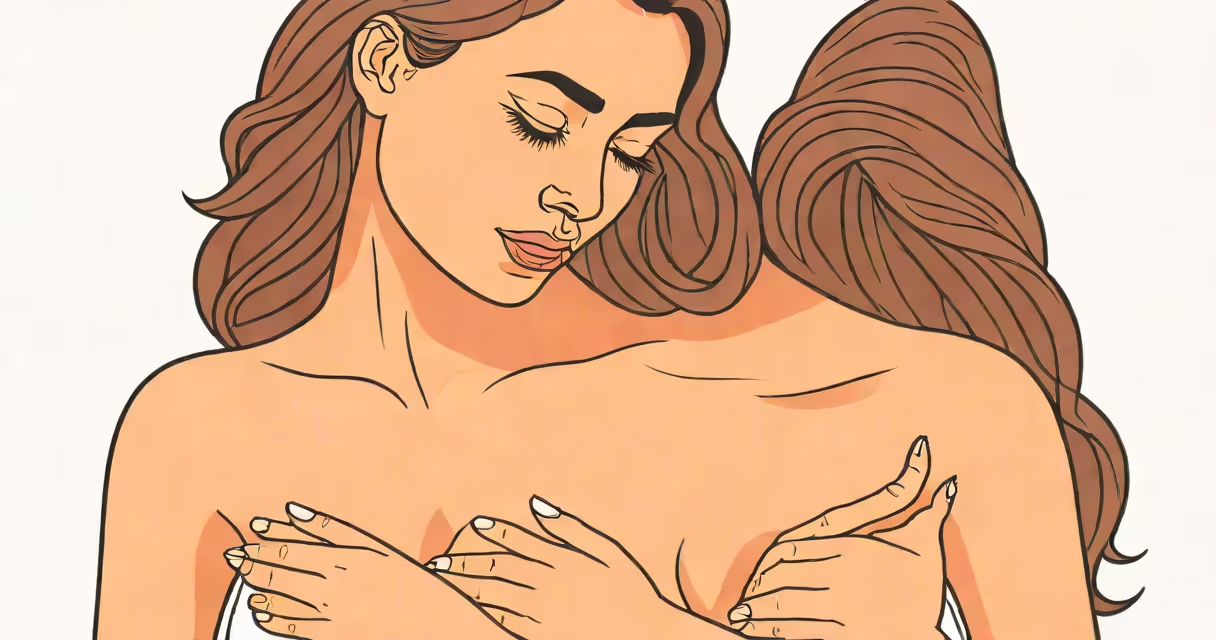
Breast tenderness arises when hormonal fluctuations, physical conditions, or medications affect breast tissue sensitivity. It often presents as soreness, swelling, or sharp pain, typically in both breasts. The sensation usually resolves within days but can persist in certain medical contexts.
Hormonal activity drives most cases of breast tenderness. Estrogen and progesterone levels rise and fall throughout the menstrual cycle, especially around ovulation and before menstruation. These shifts increase blood flow and fluid retention in breast tissue, leading to discomfort. A 2021 study in Journal of Women's Health found that 70% of women report breast tenderness during the luteal phase, the week before their period begins.
Other contributors include pregnancy, thyroid dysfunction, and certain medications such as birth control pills or antidepressants. Fibromyalgia, a chronic pain disorder, can amplify breast sensitivity due to central nervous system sensitization. Polycystic ovary syndrome (PCOS) alters hormone balance, increasing androgen and insulin levels, which may contribute to breast discomfort. In rare cases, persistent tenderness signals underlying pathology, including breast cysts or, less commonly, tumors.
How Hormonal Fluctuations Trigger Breast Tenderness
Estrogen promotes duct growth and fluid accumulation in breast tissue. Progesterone, produced after ovulation, increases water retention and enhances nerve sensitivity. Together, they create a temporary state of breast engorgement. This process peaks about seven days before menstruation and subsides when bleeding starts.
Ovulation itself does not directly cause tenderness. Instead, the post-ovulatory surge in progesterone initiates the changes. For example, a woman with a 28-day cycle typically experiences peak tenderness between days 18 and 24. Symptoms often worsen with caffeine intake or high-sodium diets, which exacerbate fluid retention.
Some women track their cycles using apps or basal body temperature readings. When tenderness aligns consistently with the luteal phase, it confirms a hormonal origin. If symptoms occur outside this window or last longer than seven days, further evaluation is warranted.
Medical Conditions Linked to Persistent Tenderness
Fibromyalgia affects approximately 2% of adults and involves widespread musculoskeletal pain. Research published in Pain Medicine (2020) shows that 62% of patients report breast pain as part of their symptom profile. This is not due to structural breast issues but reflects heightened pain perception in the central nervous system. The brain misinterprets normal sensations as painful, a phenomenon known as allodynia.
PCOS affects 5-10% of reproductive-age women. Elevated androgens and insulin resistance disrupt ovarian function and alter estrogen-progesterone ratios. A 2022 review in Endocrine Connections linked irregular cycles and hyperandrogenism to increased breast sensitivity. Women with PCOS often report cyclical breast pain even when ovulation doesn't occur regularly.
Thyroid disorders also play a role. Hypothyroidism reduces metabolic rate and may lead to fluid buildup. Hyperthyroidism increases heart rate and can heighten nerve sensitivity. Both conditions have been associated with breast discomfort in clinical reports.
| Condition | Primary Hormonal Driver | Typical Timing | Duration |
|---|---|---|---|
| Ovulation-related | Progesterone surge | Days 15-20 of cycle | 3-7 days |
| Fibromyalgia | Central nervous system amplification | Variable, often constant | Chronic |
| PCOS | Androgen excess, insulin resistance | Irregular, sometimes cyclic | Continuous or fluctuating |
| Pregnancy | Estrogen and progesterone elevation | First trimester | Weeks 4-12 |
Common Misconceptions and Red Flags
Many assume breast tenderness always signals pregnancy. While early pregnancy does cause breast changes, only 10-15% of pregnant women report tenderness as a primary symptom. A 2019 study in Obstetrics & Gynecology found that breast pain was absent in nearly half of confirmed pregnancies during the first month.
Another misconception is that tenderness implies cancer. Breast cancer rarely causes isolated tenderness. When it does, it's usually accompanied by a lump, skin dimpling, nipple discharge, or asymmetry. The American Cancer Society notes that breast pain is not a typical warning sign and occurs in fewer than 5% of diagnosed cases.
True red flags include unilateral pain (on one side only), localized swelling, or pain that worsens over time. If tenderness persists beyond the menstrual cycle or appears in men, medical evaluation is essential. A 2023 case series in BMJ Case Reports documented two men with gynecomastia and severe breast tenderness due to medication-induced hormonal imbalance.
When to Seek Medical Evaluation
Consult a healthcare provider if tenderness lasts more than two weeks after your period ends, occurs without a menstrual cycle, or interferes with daily activities. A physical exam, imaging like ultrasound, or blood tests for hormones or thyroid function may be needed.
I once observed a patient with persistent bilateral breast pain who had normal mammograms and no masses. After testing revealed elevated prolactin levels, she was diagnosed with a pituitary microadenoma. Treatment with dopamine agonists resolved her symptoms. This case illustrates that tenderness can be a systemic sign, not just a local issue.
Understanding the root cause of breast tenderness prevents unnecessary anxiety and guides appropriate care. Most cases are benign and tied to natural hormonal rhythms. But when patterns deviate, timely assessment ensures accurate diagnosis and relief.