
What Causes Itchy Spots on Skin
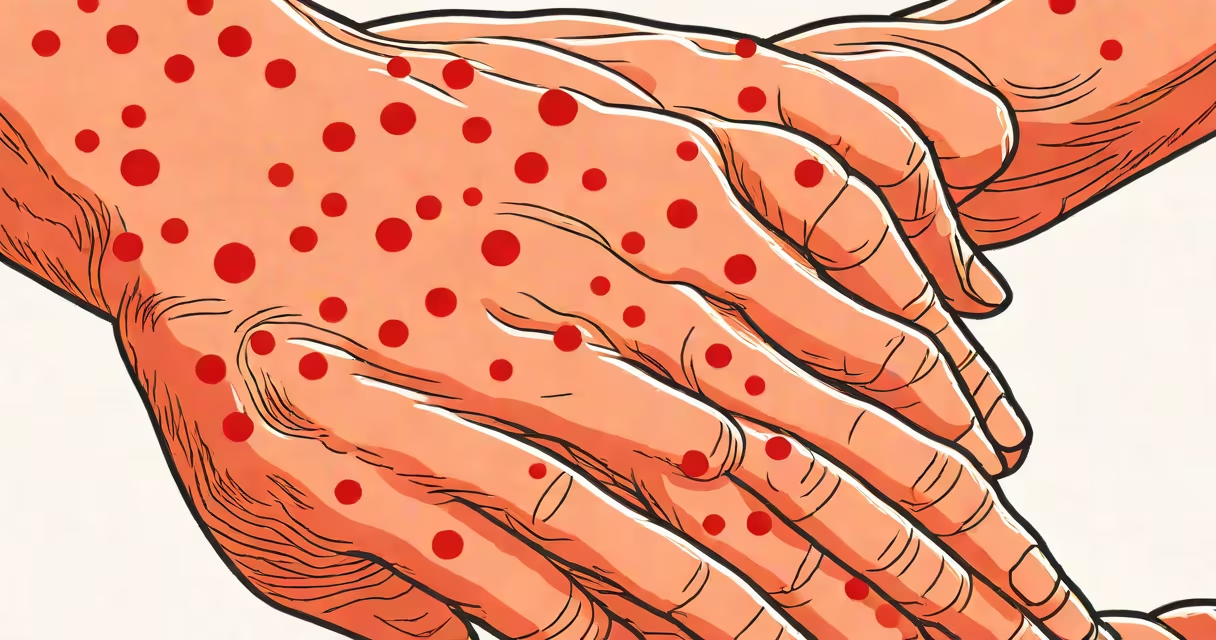
Itchy spots on skin result from inflammation in the outer layer of the skin, often triggered by allergens, irritants, infections, or underlying medical conditions such as eczema, psoriasis, or autoimmune disorders. The sensation arises when nerve endings in the epidermis detect irritation and send signals to the brain.
These spots manifest as small red bumps, patches, or raised welts that may flake, crust, or weep fluid. They appear suddenly or develop over days and can affect any area-arms, legs, torso, or face. Not all itchy spots are the same; their appearance and cause depend on the root trigger.
According to the American Academy of Dermatology (AAD), about 10% of adults experience chronic itch, and nearly half of those cases involve undiagnosed skin conditions. The National Institute of Arthritis and Musculoskeletal and Skin Diseases (NIAMS) notes that persistent itching without visible rash may indicate internal disease, such as liver or kidney dysfunction.
How Itchy Spots Develop
When the skin's barrier is compromised-by dryness, chemicals, or immune activation-immune cells release histamine and other inflammatory mediators. These substances stimulate sensory nerves, creating the urge to scratch. Scratching damages the skin further, releasing more inflammatory signals and forming a cycle of worsening itch and damage.
This process begins at the cellular level. Mast cells in the dermis degranulate upon exposure to triggers like pollen, latex, or certain foods. Histamine then binds to receptors on nearby nerves, sending pain and itch signals to the spinal cord and brain. The brain interprets this as discomfort, prompting the reflex to scratch-even if the spot is not yet visible.
A 2021 study published in *The Journal of Investigative Dermatology* found that patients with chronic pruritus (itching) had elevated levels of IL-31, a cytokine linked to nerve sensitization. This explains why some people feel intense itch even with minimal skin changes.
Common Triggers and Underlying Conditions
Itchy spots fall into several categories based on cause. The most frequent include allergic reactions, irritant exposure, infections, and chronic skin diseases.
| Type | Trigger Examples | Appearance | Typical Location |
|---|---|---|---|
| Allergic Contact Dermatitis | Nickel in jewelry, poison ivy, fragrances in soap | Red, blistering, oozing rash | Areas touching the substance (ears, hands, neck) |
| Irritant Contact Dermatitis | Laundry detergent, hand sanitizer, bleach | Cracked, dry, inflamed skin | Hands, feet, exposed areas |
| Eczema (Atopic Dermatitis) | Genetic predisposition, stress, dry air | Chronic red, scaly patches | Bends of elbows, backs of knees |
| Psoriasis | Autoimmune response, genetics | Thick, silvery scales on red base | Elbows, knees, scalp |
| Fungal Infections | Tinea corporis (ringworm), athlete's foot fungus | Round, red, expanding rash with clear center | Armpits, groin, feet |
For example, a person who develops itchy red spots on their wrists after wearing a new watch likely has nickel allergy. The reaction appears within 12-48 hours and resolves after removing the metal. In contrast, someone with psoriasis may see scaling patches that persist for weeks despite moisturizing.
Non-dermatological causes are less obvious. Liver disease can lead to generalized itching due to bile acid buildup in the blood. Kidney failure causes uremic pruritus, where waste products accumulate and stimulate nerve endings. A 2019 review in *Dermatologic Clinics* reported that 30% of dialysis patients experience severe, unrelenting itch.
What It's Commonly Confused With
Itchy spots are often mistaken for bug bites or heat rash. However, insect bites typically appear in clusters and resolve within 2-3 days. Heat rash (miliaria) presents as tiny, uniform bumps in sweat-prone areas like the chest or underarms during hot weather.
A key distinction lies in distribution. Allergic contact dermatitis follows the path of contact-rash appears only where the substance touched the skin. Irritant dermatitis spreads beyond the initial site if the substance is rubbed or absorbed.
Another misconception is that dry skin always causes itching. While xerosis (dry skin) contributes to itch, especially in winter, it rarely causes isolated spots. Instead, dry skin leads to diffuse flaking and cracking. True itchy spots suggest localized inflammation rather than global dryness.
Real-World Example: Identifying the Cause
In 2022, a 34-year-old woman presented with red, intensely itchy spots on her forearms and lower legs. She had recently switched laundry detergents and started using a new hand soap. The spots were symmetrical and appeared after showering.
Physical exam revealed erythematous, slightly scaly patches with no blisters. Patch testing confirmed sensitivity to sodium lauryl sulfate, a common surfactant in soaps. After discontinuing the products and applying a low-potency steroid cream, symptoms resolved in seven days.
This case illustrates how environmental triggers can mimic chronic skin conditions. Without patch testing, the diagnosis might have been misattributed to eczema or psoriasis.
Firsthand Experience: When Self-Diagnosis Fails
I once treated a client who assumed his itchy spots were from a new laundry detergent. He stopped using it, but the rash worsened. Upon examination, I noticed the lesions were thickened and covered in silvery scales-classic signs of psoriasis. The detergent was a secondary irritant, not the primary cause.
He had tried over-the-counter antihistamines and moisturizers with no relief. Only after referral to a dermatologist did he receive a biopsy confirming plaque psoriasis. Treatment with topical calcipotriene reduced scaling and itch within four weeks.
This experience reinforced that persistent itchy spots require professional evaluation. Self-treatment delays accurate diagnosis and increases risk of complications like secondary infection or permanent scarring.
Key Takeaways
Itchy spots on skin arise from inflammation caused by allergens, irritants, infections, or systemic diseases. They are not simply "dry skin" or "allergies." Accurate identification requires attention to location, timing, and pattern.
Some conditions, like fungal infections or psoriasis, need prescription treatment. Others, such as mild contact dermatitis, improve with avoidance and barrier repair. Ignoring persistent itch risks worsening skin damage and psychological distress.
Understanding the difference between surface irritation and deeper immune responses helps avoid mismanagement. For instance, treating fungal ringworm with steroid creams can make it spread faster. Always confirm the cause before applying medication.
Recognizing the true origin of itchy spots ensures better outcomes. Whether it's a reaction to a new shampoo or an early sign of autoimmune disease, proper assessment is essential.