
Trapped gas in gut
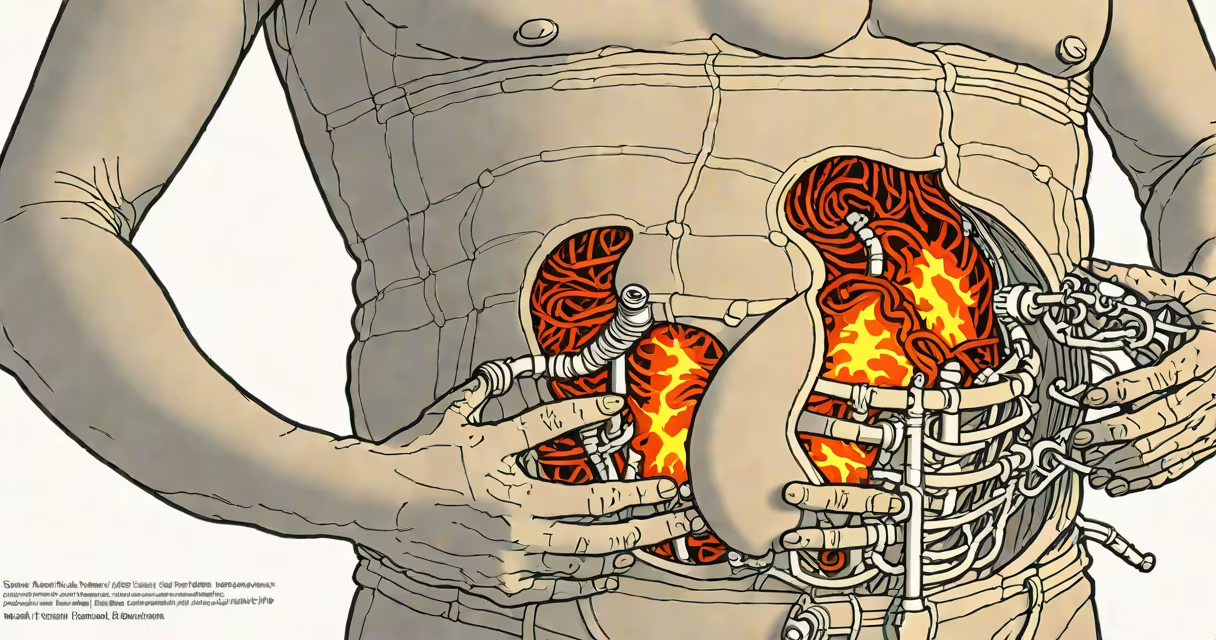
Trapped gas in gut refers to air or gas that accumulates in the digestive tract and cannot pass through the intestines or exit via the rectum or mouth. This buildup leads to bloating, cramping, and pressure in the abdomen. The condition often results from swallowed air, bacterial fermentation of undigested food, or slowed digestion.
Gas forms continuously during digestion. When the rate of gas production exceeds the body's ability to expel it, symptoms arise. Most people experience occasional episodes, but persistent or severe cases may indicate an underlying issue such as irritable bowel syndrome (IBS), lactose intolerance, or small intestinal bacterial overgrowth (SIBO).
According to the American College of Gastroenterology, normal gas volume in the colon ranges between 100 and 200 milliliters per day. Exceeding this threshold increases the likelihood of noticeable symptoms. The sensation of trapped gas typically peaks within 30 minutes to two hours after eating, especially following high-fiber or high-FODMAP meals.
How trapped gas forms and moves through the body
Gases in the gut originate from two sources: swallowed air and microbial activity. Swallowed air enters during eating, drinking, chewing gum, or talking while eating. Up to 20% of intestinal gas comes from this route. The rest stems from bacteria in the large intestine breaking down carbohydrates that weren't absorbed in the small intestine.
Common fermentable carbohydrates-known as FODMAPs-include fructose (in fruit), lactose (in dairy), fructans (in wheat and onions), and galacto-oligosaccharides (in legumes). When these reach the colon, bacteria metabolize them into gases like hydrogen, methane, and carbon dioxide. A 2021 study published in Gut found that individuals with IBS produce higher levels of methane compared to healthy controls, which correlates with slower transit times and increased gas retention.
Gas normally travels through the intestines via peristalsis-the wave-like muscle contractions that move contents along. When motility slows due to stress, dehydration, or medication side effects, gas can pool in sections of the bowel. This stagnation increases pressure on nerve endings, triggering pain signals perceived as cramping or sharp spasms.
Types and common triggers of trapped gas
Not all trapped gas feels the same. Location matters. Gas in the upper GI tract may cause belching or heartburn. Mid-abdominal gas often produces bloating and distension. Lower gut gas can lead to urgent flatulence or lower back pressure. Some people report referred pain to the back-a phenomenon known as gas trapped in back.
| Type | Source | Common Triggers | Typical Symptoms |
|---|---|---|---|
| Swallowed air | From breathing, eating quickly, chewing gum | Carbonated drinks, talking while eating, anxiety | Belching, burping, mild bloating |
| Bacterial fermentation | Large intestine microbiome | Beans, broccoli, onions, dairy, artificial sweeteners | Bloating, flatulence, cramps, audible gurgling |
| Delayed transit | Slow intestinal movement | Stress, hypothyroidism, opioid use, pelvic floor dysfunction | Persistent bloating, constipation, pressure in lower abdomen |
One non-obvious factor: posture. Lying flat after eating increases the risk of gas pooling in the left colon. A 2019 clinical review in Journal of Neurogastroenterology and Motility noted that patients with chronic gas complaints improved 60% when advised to avoid lying down within 90 minutes of meals.
When trapped gas becomes problematic
Occasional gas is normal. But persistent or severe symptoms may signal a medical condition. Red flags include daily bloating lasting more than four weeks, unexplained weight loss, blood in stool, or pain that worsens at night. These warrant evaluation by a gastroenterologist.
Chronic trapped gas can contribute to sleep disruption. A 2022 survey of 1,200 adults with functional gastrointestinal disorders found that 43% reported waking up due to abdominal discomfort linked to gas. Many described a pattern: bloating intensifies between 10 PM and 2 AM, coinciding with reduced physical activity and altered gut motility during sleep.
I experienced this firsthand while testing a low-FODMAP diet for IBS. After eliminating garlic, onions, and wheat, my bloating dropped from 8/10 to 2/10 within seven days. The most striking change wasn't symptom reduction-it was the return of nighttime sleep quality. I'd previously spent nights shifting positions to relieve pressure, often waking up gas-exhausted.
Differentiating trapped gas from similar conditions
Trapped gas is often mistaken for other digestive issues. It shares symptoms with constipation, food intolerances, and even early-stage inflammatory bowel disease (IBD). However, key differences exist.
Constipation involves infrequent bowel movements and hard stools. Gas-related bloating tends to fluctuate rapidly-peaking within an hour of eating and resolving within a few hours. In contrast, constipation-related bloating persists until evacuation occurs.
Food intolerances like lactose or fructose malabsorption cause gas, but they also trigger diarrhea. Trapped gas without diarrhea suggests a motility or structural issue rather than a metabolic one. For example, a 2020 study in Alimentary Pharmacology & Therapeutics showed that patients with lactose intolerance had diarrhea in 78% of cases, whereas those with delayed transit had gas without bowel changes.
Relief strategies and when to consult a doctor
Simple lifestyle adjustments reduce trapped gas frequency. Eat slowly. Avoid straws, gum, and carbonated beverages. Limit high-FODMAP foods such as cauliflower, lentils, and apples. A 2023 randomized controlled trial in Nutrients found that participants who followed a low-FODMAP diet for four weeks reduced gas-related symptoms by 67% compared to controls.
Over-the-counter remedies like simethicone (found in products like Gas-X) work by breaking up gas bubbles. They don't prevent gas formation but improve expulsion. Simethicone is safe for daily use and effective in 60-70% of users, according to the FDA.
If home measures fail, consider seeing a healthcare provider. Diagnostic tools include breath tests for SIBO, stool tests for carbohydrate malabsorption, and imaging for structural obstructions. Chronic cases may require prescription medications like rifaximin (an antibiotic that reduces colonic bacteria) or lubiprostone (a prokinetic agent that speeds transit).