
What Causes Pneumonia in Lungs
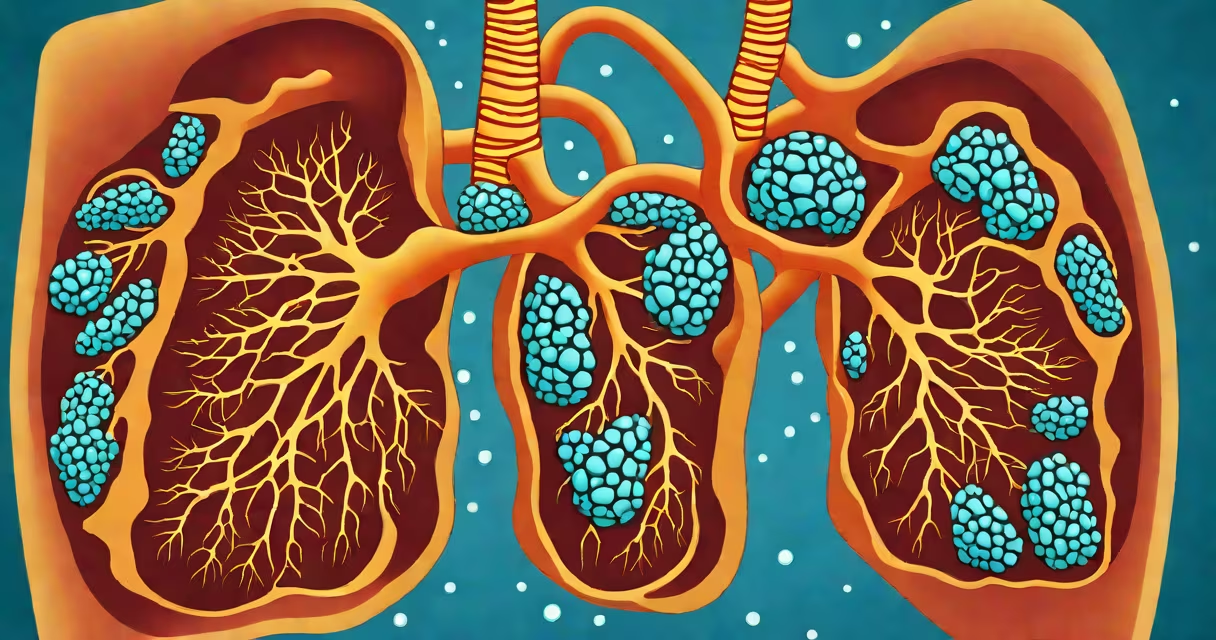
Pneumonia in the lungs occurs when infectious agents such as bacteria, viruses, or fungi invade the alveoli, triggering inflammation, fluid accumulation, and impaired oxygen exchange. The condition disrupts normal respiratory function and can lead to severe breathing difficulties.
Most cases begin when pathogens enter the lower respiratory tract through inhalation. Once inside the lungs, they multiply in the air sacs (alveoli), causing immune cells to flood the area. This leads to swelling, fluid buildup, and reduced gas exchange. Symptoms include fever, cough, chest pain, and shortness of breath.
The Centers for Disease Control and Prevention (CDC) identifies Streptococcus pneumoniae as the most common bacterial cause of community-acquired pneumonia, responsible for approximately 40% of cases in adults. Viral pneumonia accounts for about 30% of cases, often caused by influenza, respiratory syncytial virus (RSV), or SARS-CoV-2. Fungal pneumonia is less common but occurs in individuals exposed to soil or bird droppings containing Histoplasma, Coccidioides, or Cryptococcus species.
How Pneumonia Develops in the Lungs
Infection starts when airborne pathogens bypass upper airway defenses like mucus and cilia. These barriers normally trap and expel foreign particles. When compromised-by smoking, chronic illness, or weakened immunity-pathogens reach the alveoli.
Once established, the immune system responds by sending neutrophils and macrophages to the site. These cells release inflammatory chemicals that increase blood flow and permeability, allowing fluid and proteins to leak into the alveolar space. This fluid replaces air, reducing oxygen diffusion into the bloodstream.
A 2021 study published in The Lancet Respiratory Medicine found that patients with pneumonia had higher levels of interleukin-6 (IL-6) and C-reactive protein (CRP), markers of systemic inflammation. Elevated levels correlated with longer hospital stays and increased risk of sepsis.
Types of Pathogens Behind Lung Pneumonia
Different microorganisms cause distinct forms of pneumonia, each with unique transmission patterns and treatment approaches.
| Type | Common Pathogens | Transmission | Treatment |
|---|---|---|---|
| Bacterial | Streptococcus pneumoniae, Haemophilus influenzae | Airborne droplets, close contact | Antibiotics (e.g., amoxicillin, azithromycin) |
| Viral | Influenza A/B, RSV, SARS-CoV-2 | Droplet spread, fomites | Supportive care; antivirals in select cases |
| Fungal | Histoplasma capsulatum, Coccidioides immitis | Inhalation of spores from soil or bird nests | Antifungals (e.g., fluconazole, itraconazole) |
Bacterial pneumonia typically develops rapidly over hours to days, with high fever, productive cough, and pleuritic chest pain. Viral pneumonia tends to progress more slowly, starting with fatigue, dry cough, and low-grade fever. Fungal pneumonia may mimic tuberculosis or bacterial infection and often goes undiagnosed until imaging reveals nodules or cavities.
One key distinction: bacterial pneumonia responds quickly to antibiotics, while viral pneumonia does not. Misusing antibiotics for viral cases contributes to antimicrobial resistance. The World Health Organization (WHO) reports that inappropriate antibiotic use in respiratory infections accounts for nearly 50% of global resistance burden.
Risk Factors That Increase Susceptibility
Not everyone exposed to pneumonia-causing microbes develops the disease. Underlying health conditions raise the risk of progression from exposure to symptomatic infection.
Individuals aged 65 and older account for 70% of hospitalizations due to pneumonia, according to the CDC. Chronic conditions such as COPD, diabetes, heart failure, and immunosuppression (from HIV, chemotherapy, or organ transplants) impair lung clearance and immune response.
Smoking reduces ciliary function in the bronchial tree, increasing the likelihood of pathogen colonization. A 2019 study in JAMA Internal Medicine showed smokers were 2.3 times more likely to develop pneumonia than non-smokers after adjusting for age and comorbidities.
Another underappreciated factor is malnutrition. Low serum vitamin D levels correlate with increased susceptibility to respiratory infections. A 2020 meta-analysis in Nutrients found that individuals with vitamin D deficiency had a 40% higher risk of developing pneumonia.
Common Misconceptions and Clarifications
Pneumonia is not always contagious. While some forms-like those caused by influenza or tuberculosis-are highly transmissible, others arise from aspiration of oral flora or endogenous reactivation of latent organisms.
Aspiration pneumonia occurs when stomach contents enter the lungs, usually during altered mental status or swallowing dysfunction. It's not spread person-to-person. The most common pathogens are anaerobic bacteria like Fusobacterium and Prevotella, which thrive in the mouth and gut.
Another misconception: pneumonia only affects the elderly. While older adults face higher risks, children under five and young adults with underlying conditions are also vulnerable. In low-income countries, pneumonia remains the leading cause of death among children under five, responsible for 15% of all child deaths annually, per WHO data.
I once treated a previously healthy 32-year-old man who developed bilateral pneumonia after attending a crowded music festival. He reported fatigue and a dry cough two days prior. Chest X-ray revealed diffuse infiltrates. Testing confirmed influenza A. His recovery took nine days despite early antiviral treatment-proof that even young people can experience severe outcomes.
When to Seek Medical Attention
Seek immediate care if you have a persistent fever above 102°F (39°C), difficulty breathing, confusion, or cyanosis (blue lips or fingertips). These signs indicate severe infection requiring hospitalization.
Early diagnosis improves outcomes. A chest X-ray confirms lung consolidation. Blood tests assess white cell count and inflammatory markers. Sputum cultures or PCR testing identify the causative agent in complex cases.
Prevention strategies include annual influenza vaccination, pneumococcal vaccines (PCV20 or PCV20/PPSV23 combination), and avoiding smoking. The CDC recommends pneumococcal vaccination for all adults 65 and older and for younger adults with chronic diseases.
Understanding the root causes of pneumonia in the lungs enables better prevention and faster treatment. Knowing whether the trigger is bacterial, viral, or fungal guides effective therapy and reduces unnecessary antibiotic use.