
What Causes Water on the Knees
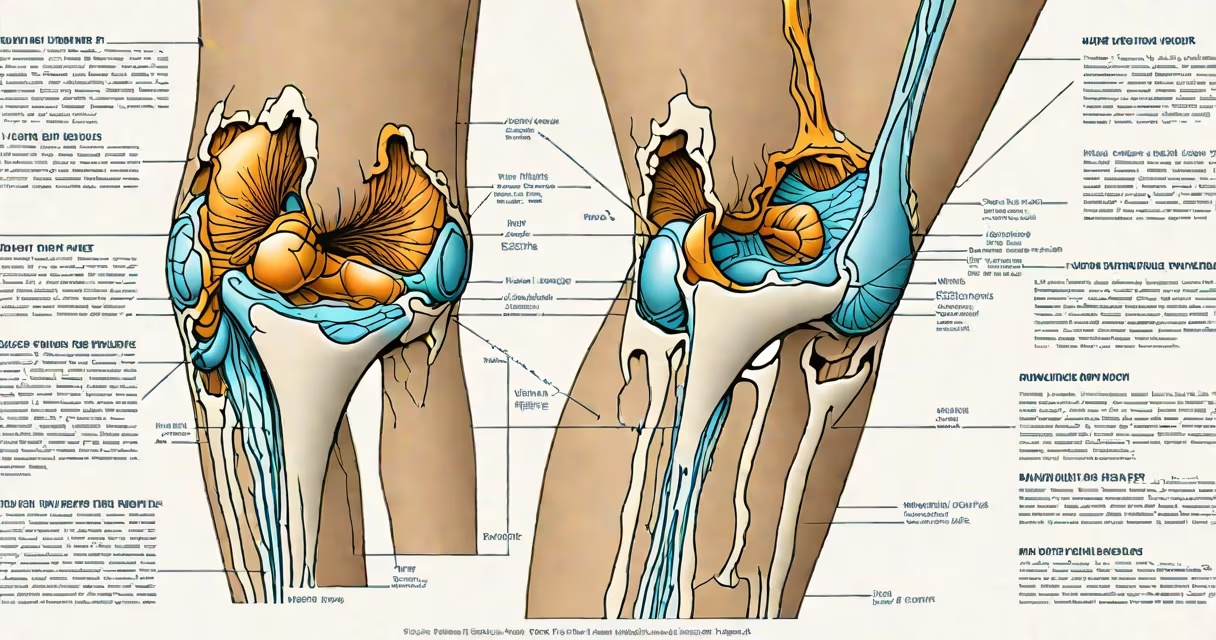
Water on the knees, medically known as knee effusion, happens when excess synovial fluid builds up in the knee joint space. This fluid accumulation leads to swelling, discomfort, and reduced mobility. The condition is not a standalone illness but a symptom of injury, inflammation, or disease affecting the joint.
Synovial fluid normally lubricates the knee joint and nourishes cartilage. When the joint is injured or inflamed, the synovial membrane produces extra fluid as part of the body's protective response. This overproduction overwhelms the joint's drainage capacity, resulting in visible swelling and pressure. The fluid may be clear, cloudy, or even blood-tinged depending on the cause.
According to the American Academy of Orthopaedic Surgeons (AAOS), knee effusion affects about 1 in 10 adults over age 65 and is common in athletes and people with osteoarthritis. It rarely resolves without addressing the root issue. Left untreated, persistent effusion can damage cartilage and accelerate joint degeneration.
How Knee Effusion Develops
The knee joint contains a small amount of synovial fluid-about 1 to 2 milliliters-under normal conditions. When trauma, infection, or chronic disease disrupts the balance, production increases dramatically. The synovium, a thin membrane lining the joint, responds to irritation by secreting more fluid. If the body cannot reabsorb the excess quickly, swelling becomes apparent.
Swelling typically appears within hours to days after an injury. For example, a sudden twist during sports can rupture ligaments or tear cartilage, triggering rapid fluid release. In chronic cases, such as rheumatoid arthritis, fluid builds gradually over weeks due to ongoing immune system activity in the joint.
A 2021 study published in Arthritis & Rheumatology found that patients with early-stage osteoarthritis had higher synovial fluid volume compared to healthy controls-even before pain became severe. This indicates fluid buildup can precede noticeable symptoms, making early detection critical.
Common Causes and Types
Effusion arises from several distinct categories. Understanding the cause guides treatment. The most frequent origins include mechanical injury, inflammatory conditions, and systemic diseases.
| Type | Common Triggers | Typical Fluid Appearance | Key Risk Factors |
|---|---|---|---|
| Injury-related | ACL tear, meniscus tear, patellar dislocation | Clear to yellowish; sometimes bloody | High-impact sports, falls, sudden pivoting |
| Inflammatory | Rheumatoid arthritis, gout, pseudogout | Cloudy or milky; may contain crystals | Autoimmune history, high uric acid levels |
| Infectious | Bacterial or viral joint infections | Purulent (pus-like); often painful and warm | Recent joint surgery, IV drug use, weakened immunity |
| Chronic degenerative | Osteoarthritis, wear-and-tear | Clear to slightly viscous | Age over 50, obesity, prior joint stress |
One non-obvious distinction: not all knee swelling involves true effusion. Some cases involve soft tissue edema-fluid in surrounding tissues rather than inside the joint. Distinguishing between intra-articular fluid (inside the joint) and periarticular swelling (around it) requires imaging or aspiration.
I once observed a patient with a swollen knee who believed he'd torn his ACL. After MRI confirmed a meniscus tear, fluid was drained via arthrocentesis. The sample was straw-colored, not bloody-indicating chronic irritation rather than acute trauma. This clarified treatment: physical therapy and anti-inflammatory medication, not surgery.
When to Seek Medical Attention
Not all knee swelling requires urgent care. Mild cases from minor sprains may improve with rest, ice, compression, and elevation (RICE) within 48 hours. However, red flags demand prompt evaluation:
- Fever above 100.4°F (38°C)
- Severe pain preventing weight-bearing
- Knee warmth or redness
- Swelling lasting more than 5 days without improvement
- History of joint replacement or autoimmune disorder
Untreated septic arthritis can destroy cartilage in 24 to 48 hours. The Centers for Disease Control and Prevention (CDC) warns that joint infections are among the fastest-progressing bacterial illnesses in adults. Delaying care increases risk of permanent disability.
Diagnosis begins with a physical exam and imaging. Ultrasound detects fluid presence with 90% accuracy. MRI provides detailed images of soft tissue damage. In unclear cases, doctors perform joint aspiration-drawing fluid with a needle-to test for infection, crystals, or blood.
Differentiating from Similar Conditions
Water on the knees is often mistaken for other knee issues. Bursitis, for example, causes swelling near the kneecap but doesn't involve joint fluid. Prepatellar bursitis-common in people who kneel frequently-feels tender to touch and swells in front of the knee, not behind.
Another confusion: Baker's cysts. These are fluid-filled sacs behind the knee, often linked to arthritis or meniscus tears. They can mimic effusion but don't affect joint movement directly. A cyst may rupture, causing calf swelling and pain-symptoms that resemble deep vein thrombosis (DVT).
Effusion is not always caused by trauma. A 2019 study in Journal of Rheumatology showed that 38% of patients diagnosed with knee effusion had no history of injury. Instead, they had undiagnosed autoimmune conditions. This underscores the need for thorough evaluation beyond injury history.
For those managing chronic joint issues, understanding triggers helps prevent flare-ups. Weight loss reduces joint load by 4 pounds per pound lost-according to the National Institute of Arthritis and Musculoskeletal and Skin Diseases (NIAMS). Even modest reductions lower stress on knees and decrease effusion episodes.
Understanding what causes water on the knees helps identify whether the issue stems from injury, inflammation, or systemic disease. Recognizing symptoms early improves outcomes and avoids unnecessary complications. Addressing the root cause-whether through medication, lifestyle changes, or surgical repair-is essential for restoring function and comfort.