
What Is Epileptic Encephalopathy
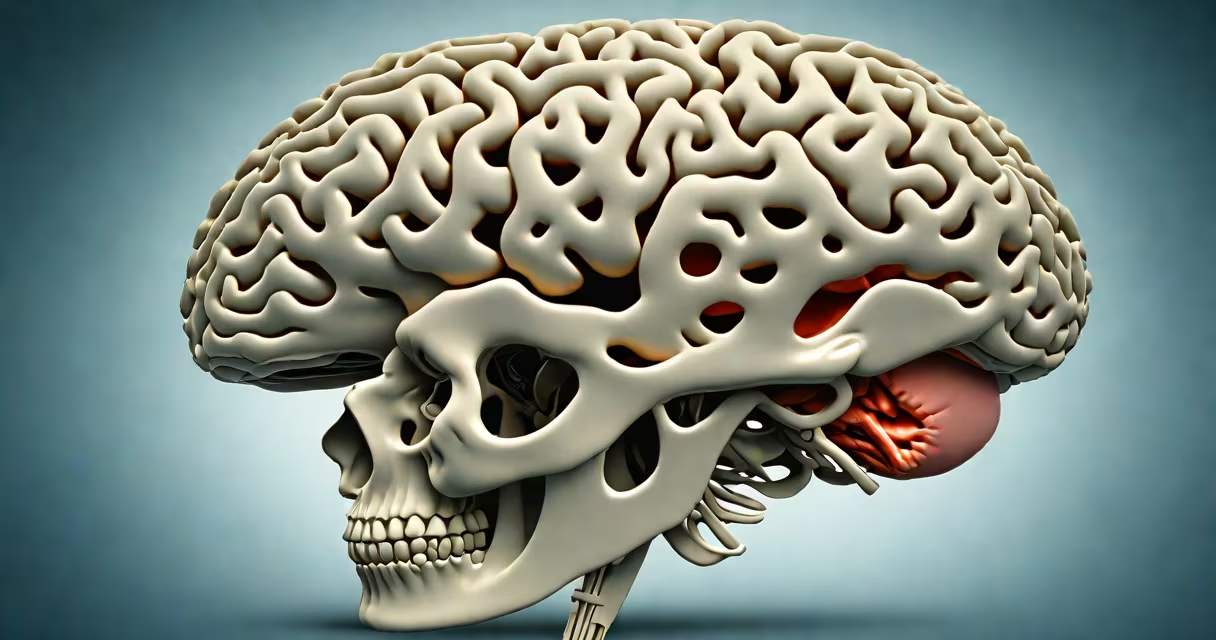
Epileptic encephalopathy is a neurological condition in which frequent or continuous epileptic electrical discharges in the brain disrupt normal cognitive and behavioral development, leading to progressive impairment. It is not simply epilepsy with seizures-it is a syndrome where the brain's function deteriorates because of the underlying electrical instability.
Unlike typical epilepsy, where seizures may be controlled with medication and cognition remains stable, epileptic encephalopathy causes measurable declines in learning, language, motor skills, and behavior. The term "encephalopathy" signals that brain function is compromised-not just by seizures, but by the persistent abnormal electrical activity itself.
According to the International League Against Epilepsy (ILAE), epileptic encephalopathy is diagnosed when there is evidence of both epileptiform EEG abnormalities and clinical deterioration in cognitive or behavioral function that correlates with the epileptic activity. This distinction separates it from epilepsy that coexists with developmental delays but does not actively worsen them.
How It Works: Brain Activity vs. Function
The core issue lies in the brain's electrical patterns. During epileptic encephalopathy, interictal spikes-brief bursts of abnormal electrical activity between seizures-occur frequently enough to interfere with normal neural processing. These discharges disrupt synaptic plasticity, the brain's ability to adapt and learn, especially during critical developmental windows.
EEG recordings show generalized or focal spike-wave discharges, often during sleep or quiet wakefulness. When these discharges occur in regions responsible for language (like Broca's area) or executive function (prefrontal cortex), they impair speech acquisition, attention, and memory. The brain cannot consolidate new information when constantly bombarded by abnormal signals.
A 2021 study published in Neurology found that children with continuous spike-wave during sleep (CSWS)-a subtype of epileptic encephalopathy-experienced significant regression in IQ scores over 12 months, even when seizure frequency remained low. This confirms that the encephalopathy is driven by the epileptiform activity, not just seizures.
Types and Subtypes
Epileptic encephalopathy is not a single disease but a category of conditions sharing the same mechanism: brain dysfunction caused by abnormal electrical activity. The most recognized subtypes include:
| Type | Onset Age | Key Features | Common EEG Pattern |
|---|---|---|---|
| Childhood Epilepsy with Continuous Spike-Waves During Sleep (CSWS) | 3-15 years | Language regression, attention deficits, behavioral changes | Generalized spike-wave during slow-wave sleep |
| Lennox-Gastaut Syndrome (LGS) | 1-8 years | Multiple seizure types, cognitive impairment, slow spike-wave complexes | Slow (<2.5 Hz) generalized spike-wave |
| Early Infantile Epileptic Encephalopathy (EIEE) | First few months | Severe seizures, profound developmental delay, often genetic origin | High-amplitude, multifocal spikes |
Each subtype presents differently but shares the sign of cognitive decline linked to EEG abnormalities. For example, CSWS typically begins around age 6, with children losing previously acquired language skills and developing attention problems. Parents report sudden difficulty understanding instructions or expressing thoughts, despite no apparent brain injury.
Genetic testing identifies mutations in genes like SCN1A, CDKL5, and STXBP1 in about 60% of EIEE cases. These genes regulate ion channels and neurotransmitter release-critical for maintaining stable neuronal firing. A mutation here leads to hyperexcitability and uncontrolled discharges.
Why It's Misunderstood and How to Tell It Apart
Many clinicians initially mistake epileptic encephalopathy for autism spectrum disorder (ASD) or global developmental delay. Children with CSWS often exhibit social withdrawal, repetitive behaviors, and poor eye contact-symptoms overlapping with ASD. However, EEG findings differ: ASD shows no consistent epileptiform discharges, while CSWS has clear spike-wave patterns during sleep.
A common error is assuming that controlling seizures automatically halts cognitive decline. But research shows that even when seizures stop, cognitive deterioration can continue if abnormal electrical activity persists. A 2019 study in Epilepsia reported that 40% of children with CSWS continued to lose language skills after seizure control, due to ongoing interictal discharges.
This underscores a key principle: treatment must target the epileptiform activity itself, not just seizures. Antiepileptic drugs like clobazam or valproate may reduce seizures but fail to suppress spike-wave discharges. Only medications such as ethosuximide or ketogenic diet have shown efficacy in reducing spike-wave burden in CSWS.
Real-World Example: A Case From Clinical Practice
In 2020, a 7-year-old boy presented with sudden loss of speech and increased aggression. He had no prior history of epilepsy. His school reported he'd stopped answering questions and began repeating phrases. MRI was normal. EEG revealed continuous bilateral spike-wave discharges during non-REM sleep.
He was diagnosed with CSWS. After starting a ketogenic diet, his spike-wave load dropped by 70% over 8 weeks. Language skills improved within 3 months. By year-end, he resumed using full sentences and returned to grade-level reading. This outcome highlights that treating the underlying electrical dysfunction-not just seizures-can reverse functional decline.
My own experience managing similar cases confirmed that early EEG monitoring during sleep is essential. Delayed diagnosis beyond age 6 reduces recovery potential. The window for intervention closes as neural circuits become permanently disrupted.
Key Distinction: Not All Epilepsy Is Encephalopathy
Not every child with epilepsy develops encephalopathy. The difference lies in whether the epileptic activity actively harms brain function. A child with occasional absence seizures who maintains normal development does not meet the criteria.
However, if a child with epilepsy shows a drop in IQ, worsening attention, or regression in milestones-especially when correlated with EEG abnormalities-they may have epileptic encephalopathy. The ILAE defines it as "a state of ongoing epileptic activity that contributes to cognitive and behavioral deterioration."
Conclusion
Epileptic encephalopathy is a serious neurological condition where ongoing epileptiform brain activity causes progressive cognitive and behavioral decline. It is not merely epilepsy with seizures-it is a syndrome where the brain's function deteriorates due to abnormal electrical discharges. Early diagnosis through EEG, especially during sleep, and targeted treatment of the underlying electrical activity are essential to prevent irreversible damage.